
Cooktown
Where Captain Cook beached the Endeavour and two cultures first met
schedule 2 min read / Updated Apr 2026
A small coastal town on the Endeavour River in Far North Queensland, on the site where Captain James Cook beached HMS Endeavour for repairs in 1770 after striking the reef. Cooktown is one of the most historically significant European settlement sites in Australia and the gateway to the remote Cape York Peninsula.
Cooktown is a town of around 2,500 people on the Endeavour River in Far North Queensland, about 330 kilometres north of Cairns. It occupies one of the most historically significant sites in Australian history: in June 1770, Lieutenant James Cook (as he was then) beached HMS Endeavour on the riverbank here after the ship struck a coral reef near what is now Cape Tribulation. The crew spent 48 days repairing the vessel, during which time they made the first sustained contact between Europeans and Aboriginal Australians - the Guugu Yimithirr people of this area.
The word 'kanguroo' (later anglicised to kangaroo) was first recorded here, from the Guugu Yimithirr word 'gangurru' for a species of grey kangaroo. The James Cook Museum, housed in a former convent building on Helen Street, holds artifacts from the Endeavour voyage and tells the story of both the European and Aboriginal sides of that first meeting. The museum is a National Trust property and one of the best small museums in regional Queensland.
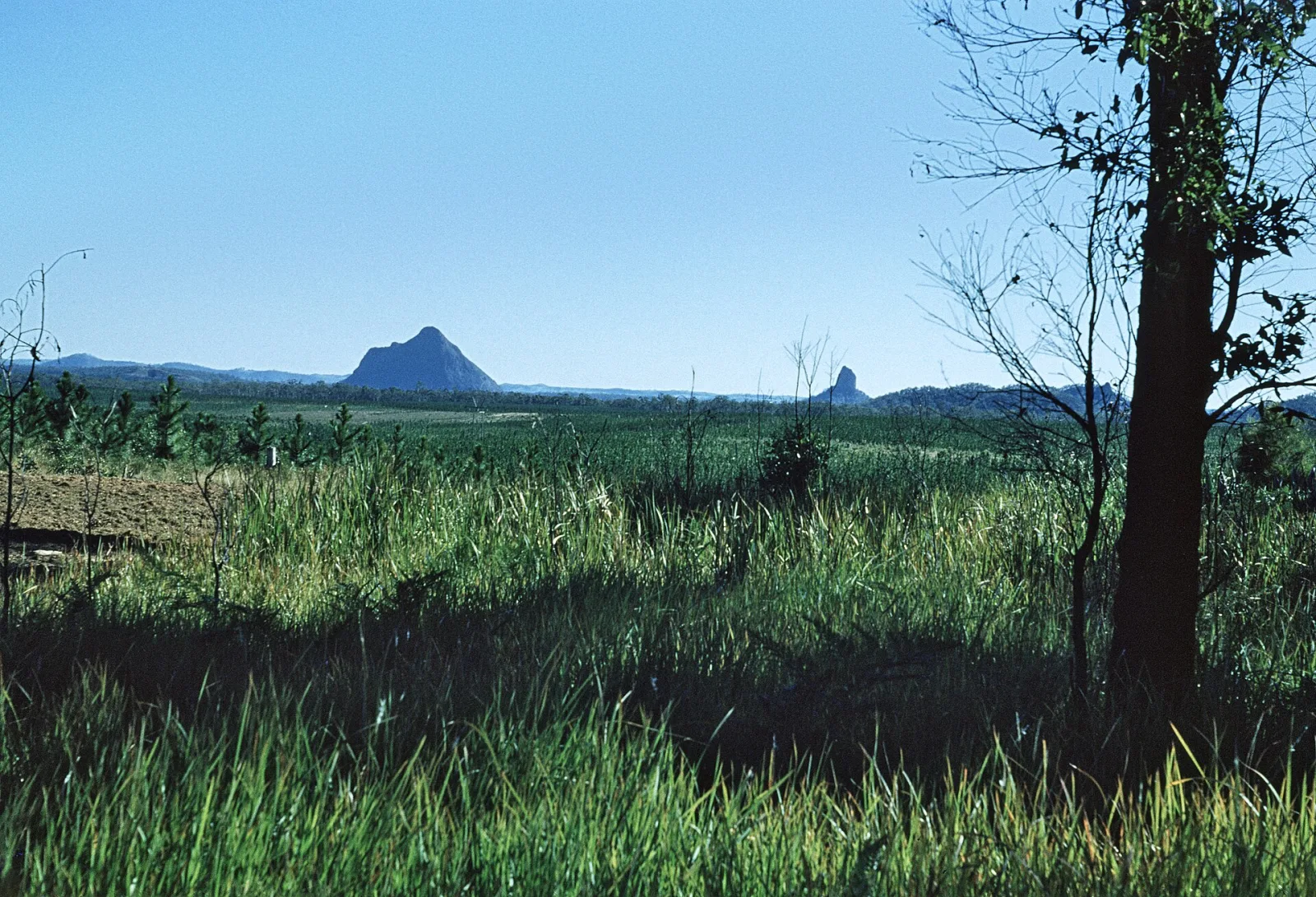
Greasy Hill Lookout, a short drive or walk from the town centre, gives sweeping views over the Endeavour River, the Coral Sea and the surrounding rainforested ranges. The lookout was used as a radar station during the Second World War and now has interpretive signage explaining the Cook landing, the gold rush era and the area's Indigenous history. The Milbi Wall, a large mosaic mural on the waterfront, tells the story of the region from the Guugu Yimithirr perspective.
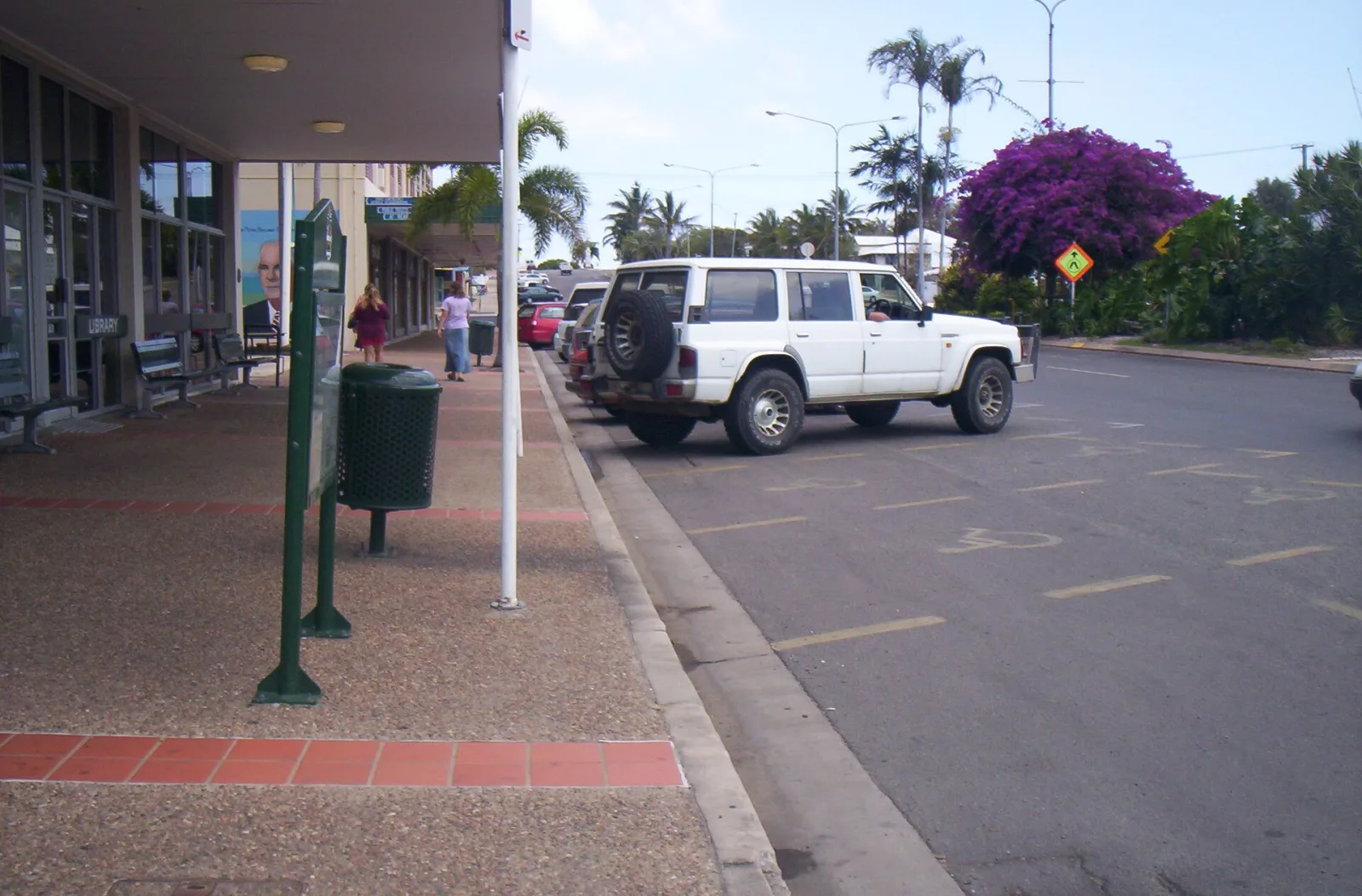
Cooktown experienced a brief gold rush in 1873 after James Venture Mulligan discovered gold on the Palmer River inland. The town swelled to over 30,000 people and briefly rivalled Cairns in size, but the gold petered out within a decade and the population collapsed. The legacy of the rush is visible in the grand stone buildings on Charlotte Street that are wildly out of proportion with the current town size.
Cooktown is accessible by sealed road from Cairns via the inland route (330 km, about 4 hours) or by the more adventurous Bloomfield Track, a partly unsealed coastal road through the Daintree that requires a four-wheel-drive. The town is the southern gateway to the Cape York Peninsula and many Cape York expeditions start or finish here. The annual Cooktown Discovery Festival in June marks the anniversary of Cook's landing.
Scenic views
Lookouts near Cooktown.
You may also like




Attribution
Sources & credits
Content (1)
Images (3)
- Cooktown 1986 IMG 0067.jpg · John Robert McPherson · CC BY-SA 4.0
- Ferrari Estates Building, Former Bank of North Queensland, C... · Queensland State Archives · Public domain
- Quarantine Bay Cooktown 1986 IMG 0069.jpg · John Robert McPherson · CC BY-SA 4.0


Images sourced from Wikimedia Commons under licenses that permit commercial use. If you are the rights holder and believe an attribution is incorrect, please contact us.