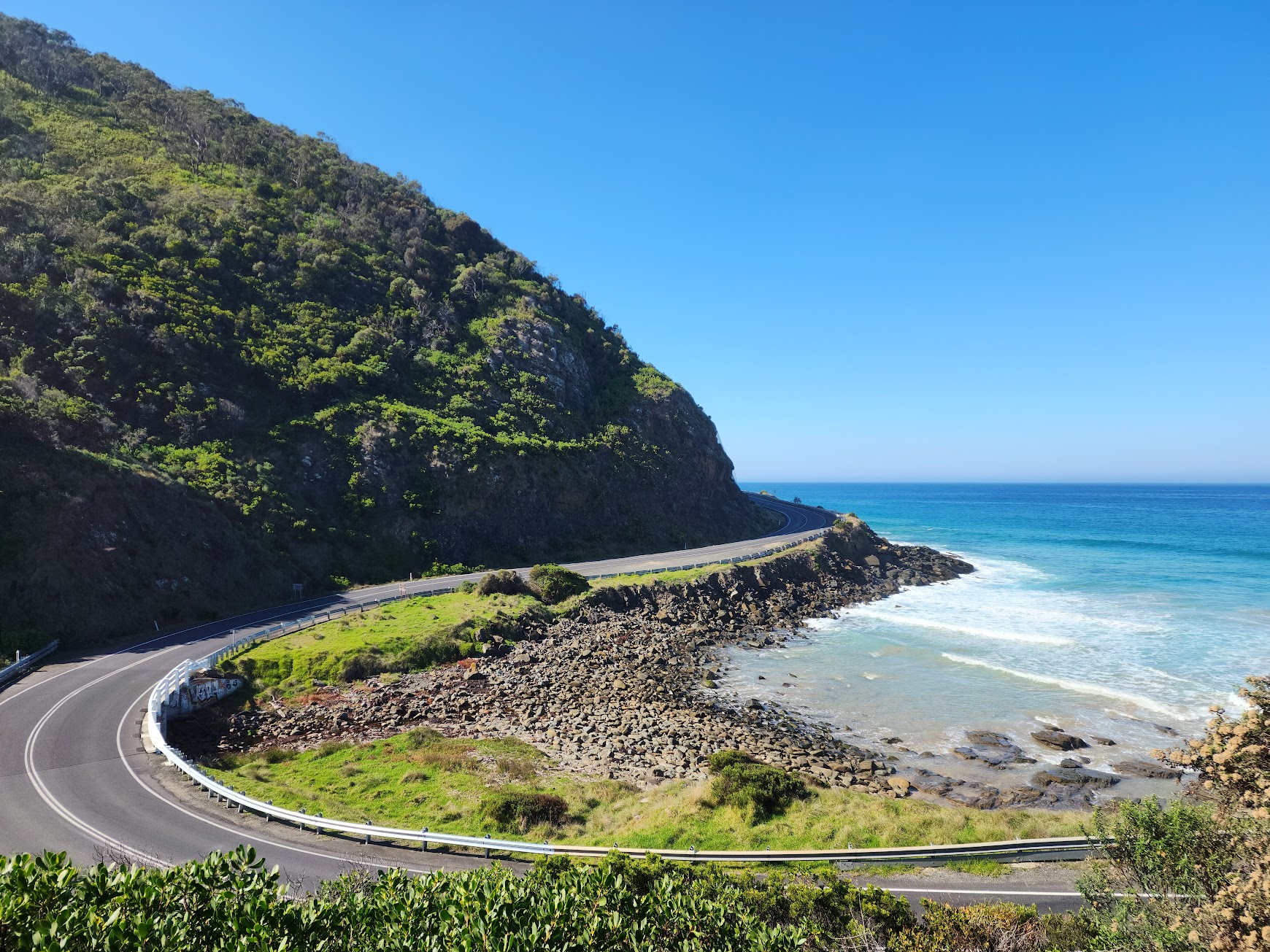
Great Ocean Road
One of the most spectacular coastal drives on the planet
schedule 2 min read / Updated Jun 2026
A 243 kilometre stretch of sealed road hugging Victoria's south-west coast between Torquay and Allansford. Built by returned soldiers after the First World War, it passes through rainforest, surf towns and some of the most dramatic limestone coastline in Australia.
The Great Ocean Road was constructed between 1919 and 1932 by around 3,000 returned servicemen as a memorial to their fallen comrades. It remains the largest war memorial in the world, stretching 243 kilometres along Victoria's Surf Coast and Shipwreck Coast. The road was carved into cliff faces and punched through dense Otway rainforest using picks, shovels and occasionally gelignite, and the engineering achievement still draws admiration nearly a century later.
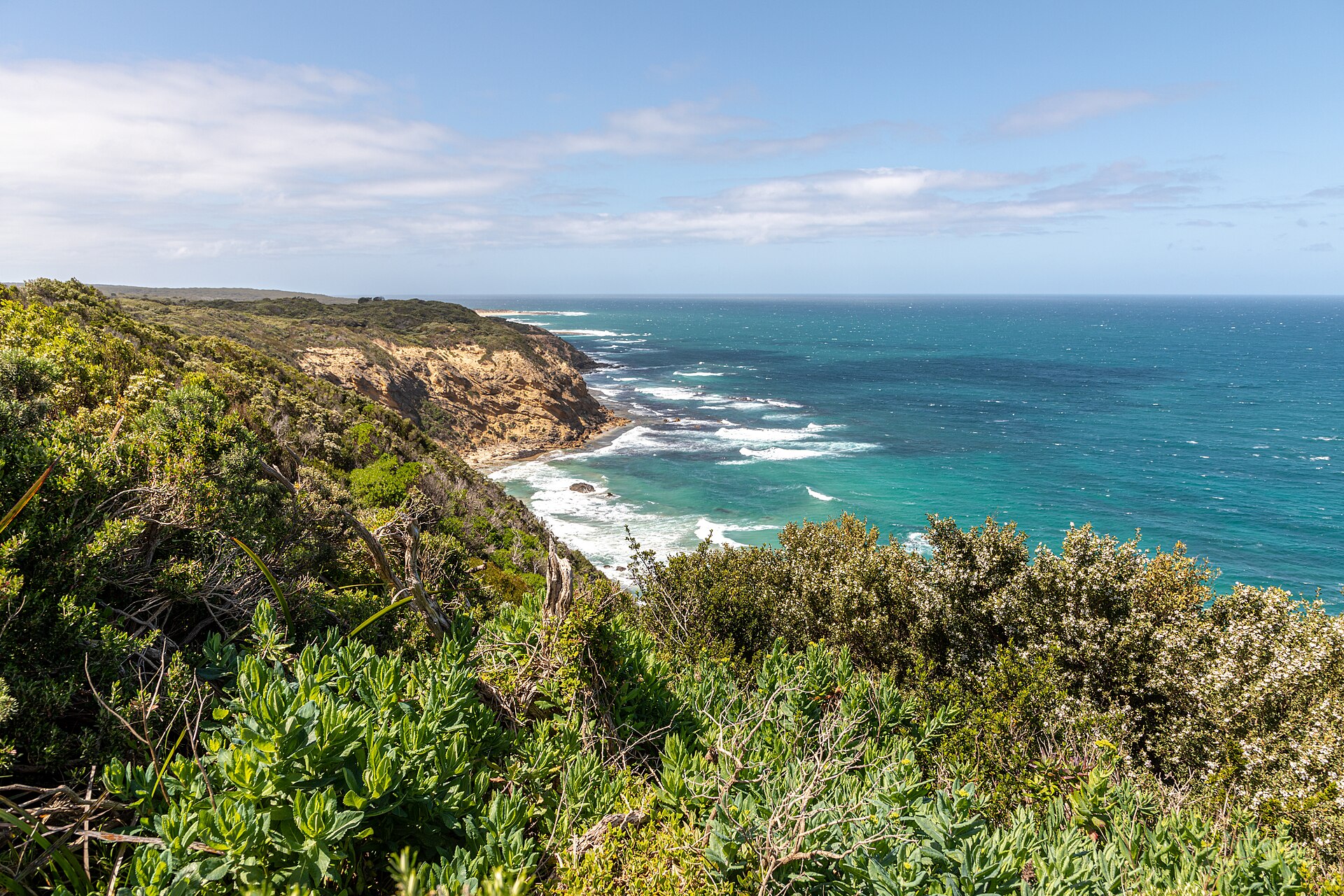
The eastern section between Torquay and Apollo Bay is the classic surf coast stretch. The road hugs the edge of Bass Strait, passing through Anglesea, Aireys Inlet (home of Split Point Lighthouse), Lorne and Kennett River. This part of the drive is all open ocean views, golden sand beaches and small holiday towns where the coffee culture is surprisingly good for their size. Bells Beach, just south of Torquay, hosts the longest-running professional surfing competition in the world every Easter.
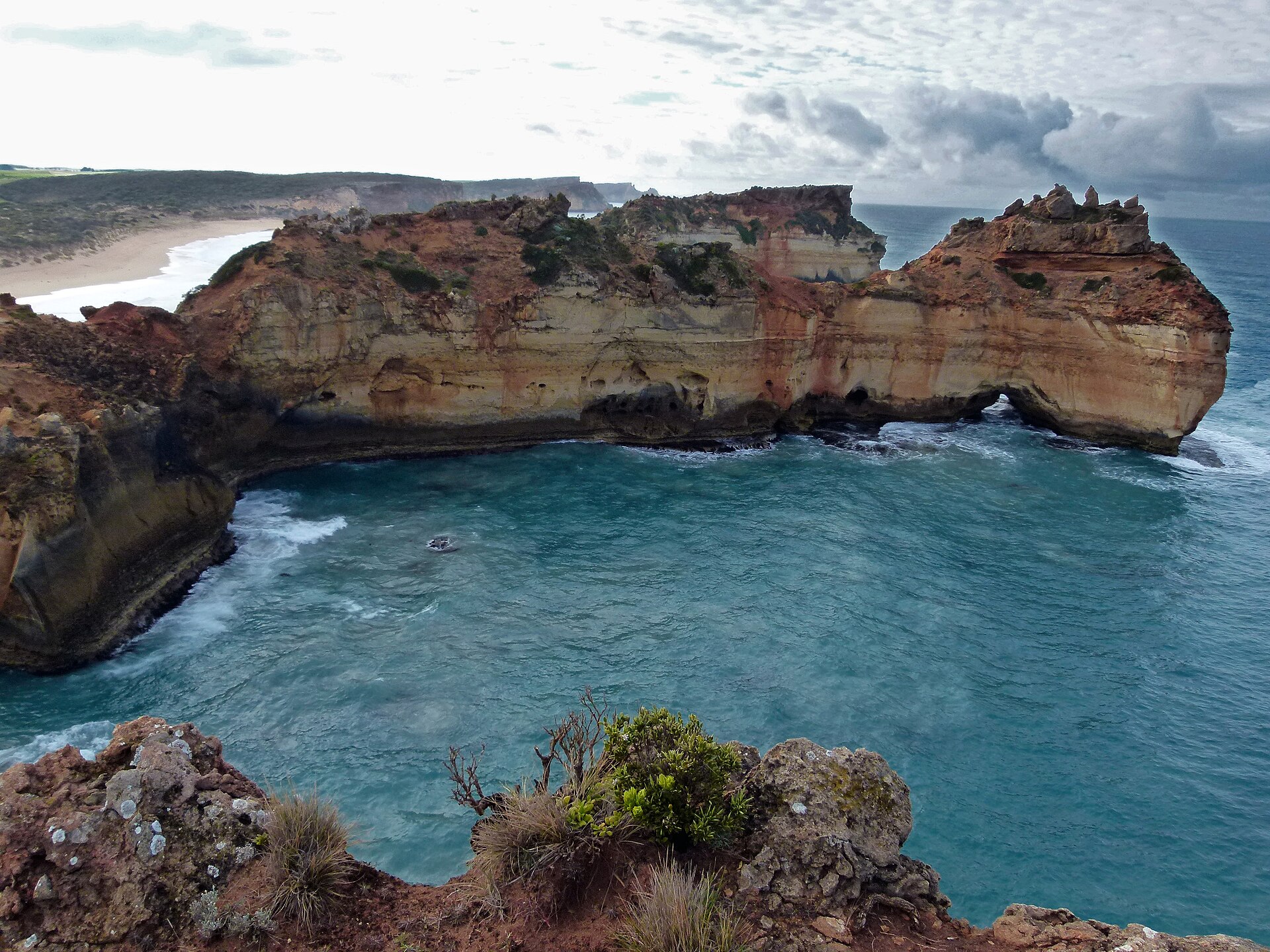
West of Apollo Bay the road climbs into the Otway Ranges, passing through cool temperate rainforest before dropping to the coast again at the Twelve Apostles. These towering limestone sea stacks, standing in the wild Southern Ocean, are the single most photographed natural landmark in Victoria. Originally there were nine stacks visible from the lookout, but one collapsed in 2005, and ongoing erosion means the current formations will not last forever. Loch Ard Gorge, London Arch and The Grotto are other limestone formations within a few kilometres.
The western section beyond the Twelve Apostles is less visited but arguably more rewarding. The Bay of Islands coastal park has its own set of sea stacks without the crowds, and the road passes through quiet dairy country before ending at Allansford near Warrnambool. Between June and September, southern right whales calve at Logans Beach in Warrnambool, one of only a handful of reliable land-based whale watching sites in Australia.
Most visitors drive the Great Ocean Road as a day trip from Melbourne, but the road deserves at least two days. Staying overnight in Lorne or Apollo Bay gives time to explore the Otway forests, and a second night in Port Campbell puts you at the Twelve Apostles for sunrise, which is when the light is at its best and the coach crowds have not yet arrived.
Tourist locations
Places to visit in Great Ocean Road.
7 locations to explore
Cape Otway Lightstation
Australia's oldest surviving lighthouse
$11 adult
Full guide arrow_forwardErskine Falls
Thirty-metre cascade in rainforest
Free
Full guide arrow_forwardGibson Steps
Sand and stacks at cliff base
Free
Full guide arrow_forwardKennett River Koala Walk
Wild koalas in the manna gums
Free
Full guide arrow_forwardMaits Rest Rainforest Walk
Ancient ferns in the Otways
Free
Full guide arrow_forwardSplit Point Lighthouse
Iconic white tower above the surf
$12.50 adult, $11 child (5-16)
Full guide arrow_forwardTeddy's Lookout
Panoramic views above Lorne
Free
Full guide arrow_forwardWhere to stay
Holiday parks near Great Ocean Road.
1 option via our booking partner

Bookings handled by our partner Parkbooker. We may earn a commission at no extra cost to you.
From the journal
Read more about Great Ocean Road.

Guide · 4 min read
The Best Time to Visit Australia
Australia is too big for a single 'best time'. The right month depends entirely on where you are going and what you want to see. Here is the full calendar.

Guide · 2 min read
Weather and When to Go
Australia spans almost 4,000 kilometres north to south, from the tropics to the temperate cool. The right season for one half of the country is the wrong one for the other.
Story · 2 min read
The Great Ocean Road in Three Days
The Great Ocean Road is usually rushed in a day. Give it three, and the famous limestone stacks become just one chapter in a far better story.
Scenic views
Lookouts near Great Ocean Road.
You may also like




Attribution
Sources & credits
Content (1)
Images (1)
- Image · Where Down Under · All Rights Reserved
Images sourced from Wikimedia Commons under licenses that permit commercial use. If you are the rights holder and believe an attribution is incorrect, please contact us.