Maryborough
Moonaboola
The Heritage City that gave the world Mary Poppins - and still delights in telling the story.
On the lands of the Gubbi Gubbi (Kabi Kabi) and Butchulla (Batjala) peoples people.
schedule 3 min read / Updated Jun 2026
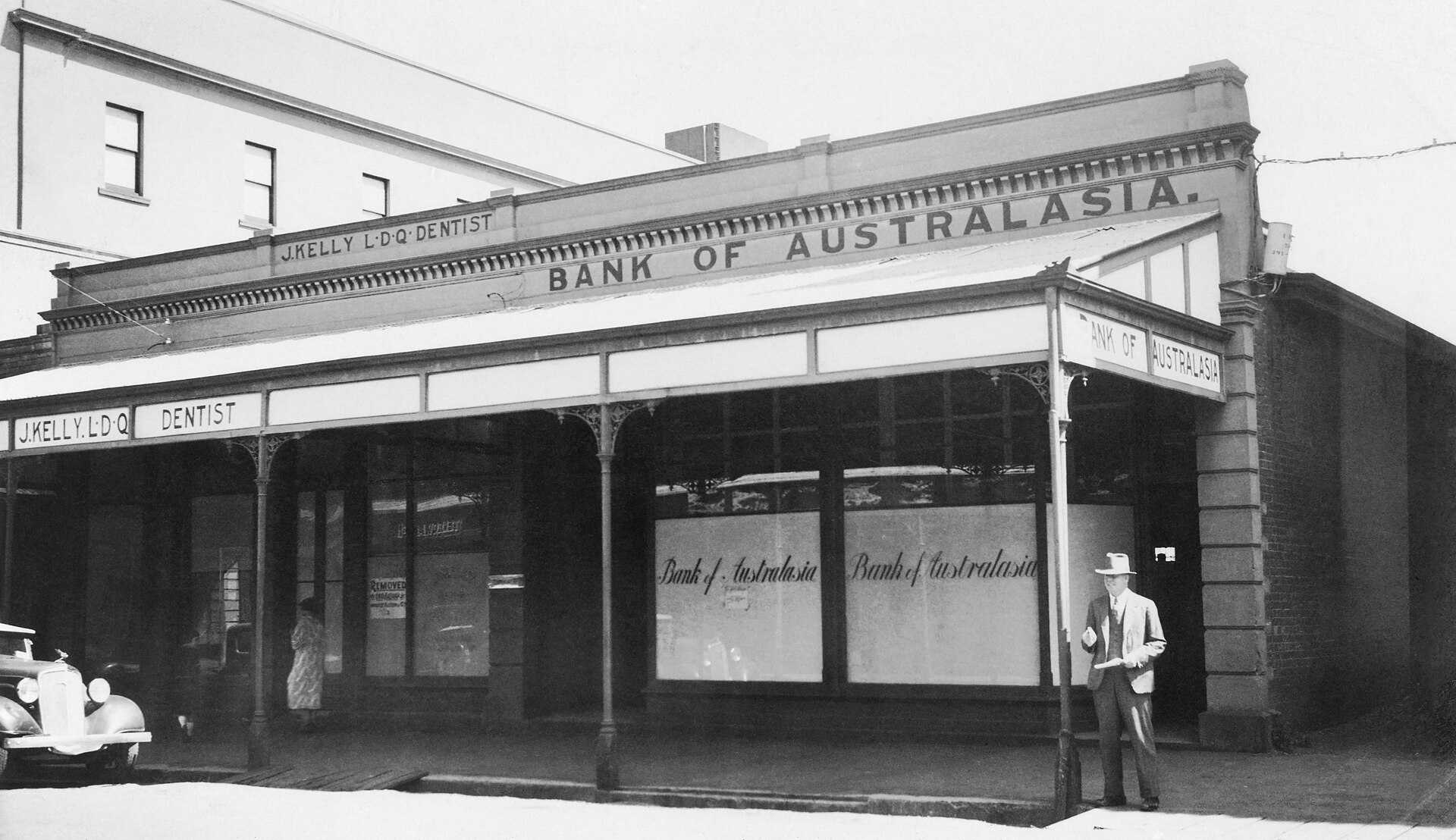
Sitting on the banks of the Mary River - known to the Gubbi Gubbi and Butchulla peoples as Moonaboola - Maryborough is Queensland's self-styled Heritage City, a place where intact Victorian streetscapes, a thriving military museum, and a remarkable literary legacy coexist within easy walking distance of one another. Founded in 1847 as a wool-transit depot, it grew into one of colonial Queensland's most productive industrial centres, leaving behind a treasury of heritage-listed banks, bond stores, churches, and civic buildings that remain in daily use today. It is also the birthplace of Pamela Lyndon Travers, the author whose childhood on these subtropical streets quietly inspired Mary Poppins - a connection the city celebrates every winter with an exuberant festival in its heritage heart.
Maryborough's founding story is embedded in its bones. George Furber established a wool depot on the Mary River in 1847, and the settlement that grew around it became one of Queensland's busiest 19th-century ports, exporting timber, sugar, and wool while Walkers Ltd - founded locally - built naval vessels, locomotives, and sugar mill castings that were shipped across the Pacific. That industrial confidence expressed itself in architecture: the sandstone and brick buildings that line Wharf Street and the CBD today were raised by merchants and bankers who expected the city to last forever. On the Queensland Heritage Register they still stand, earning Maryborough its well-deserved reputation as one of the most authentically intact colonial streetscapes in the country.\n\nNo visit is complete without time spent in Queens Park, established in 1860 and shaded by enormous Moreton Bay figs planted in the Victorian era. The park anchors the Gallipoli to Armistice Memorial, a moving walkway of stones and sand brought from Anzac Cove, honouring Lieutenant Duncan Chapman - the first Anzac ashore at Gallipoli, who was born here. Nearby, the Maryborough Military and Colonial Museum holds more than 10,000 artefacts, including the largest collection of Boer War medals in Australia. The costumed Heritage City Walk departs from City Hall on weekday mornings and threads past 30-odd significant buildings, giving visitors a grounded sense of how the city functioned at the peak of its colonial prosperity.\n\nThe literary thread is impossible to ignore. Helen Lyndon Goff - later P.L. Travers - was born in 1899 in the bank manager's residence on the corner of Lennox and Kent Streets, where her father managed the Australian Joint Stock Bank. A bronze statue of Mary Poppins now stands at 331 Kent Street, and the Story Bank Museum (occupying the original bank building) explores Travers's childhood, her creative process, and the gap between the stern governess of the books and the stage-musical version Walt Disney preferred. Each year in the June-July school holidays, the Mary Poppins Festival transforms Queens Park and the riverside parklands into a free celebration of storytelling, complete with nanny races, chimney sweeps, pavement art, and a grand parade.\n\nBeyond heritage and literature, Maryborough rewards walkers and photographers with a self-guided mural trail stretching roughly two kilometres through the CBD, featuring 27 large-scale murals and installations commissioned since 2015. Subjects range from wry takes on local history to portraits of the Gubbi Gubbi elders whose country this has always been. On Thursday mornings a Rotary market fills the streets from 7 am until noon, offering local produce, handmade goods, and a convivial introduction to the pace of regional Queensland life. The Bond Store - a heritage building steps from the river - offers tastings of regional ports and liqueurs for those who want to linger longer.\n\nDay-trippers arrive easily from Hervey Bay or Brisbane, but an overnight stay reveals another dimension: the Mary River Parklands and foreshore light up at dusk in soft gold, the heritage pub dining rooms fill with locals, and the city quiets to a scale that makes its 19th-century streetscapes feel genuinely inhabited rather than preserved. For families, the fully accessible SplashSide water play facility provides a cooling counterpoint to the history. Eight kilometres west, the Fraser Coast Wildlife Sanctuary allows close encounters with kangaroos, wallabies, and emus each afternoon at 2 pm - a reminder that the bush begins immediately beyond these proud Victorian facades.
Scenic views
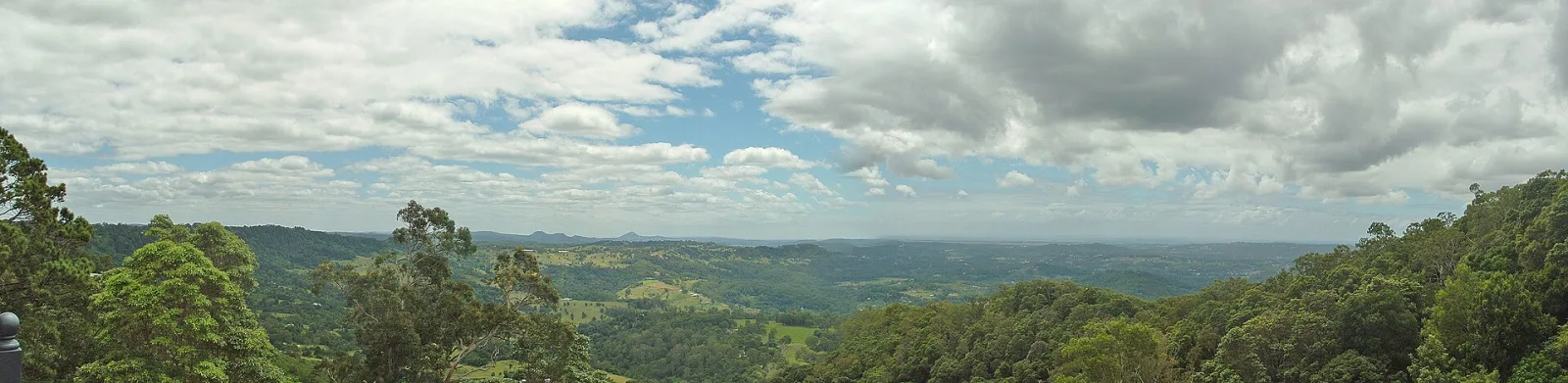
Lookouts near Maryborough.
You may also like





Attribution
Sources & credits
Content (1)
Images (3)
- Bank of Australasia, Maryborough, Queensland QUT-6756.jpg · Jack Bain · CC0
- Maryborough Railway Station, Queensland, July 2012.JPG · TravellerQLD · CC BY-SA 3.0
- Queensland State Archives 2241 Post Office Maryborough c 189... · Lands Department, Survey of Lands Branch, Photogra... · Public domain


Images sourced from Wikimedia Commons under licenses that permit commercial use. If you are the rights holder and believe an attribution is incorrect, please contact us.