Guide · 9 min read
Swim With Wildlife in Australia: Whale Sharks, Dolphins, Seals and More
From the world's largest fish to playful sea lions, these are Australia's most extraordinary in-water wildlife encounters - and exactly when and where to book them.
Cassie Hargreaves · June 2026
Australia offers some of the planet's best swim-with-wildlife experiences. Here is where to find whale sharks, humpbacks, dolphins, sea lions, cuttlefish and more.
Australia has a coastline longer than the circumference of the Earth, and what lives beneath it is extraordinary. Whether you want to drift alongside the world's largest fish, lock eyes with a humpback whale, or watch sea lions mirror your somersaults underwater, there is a genuinely wild encounter waiting for you - no aquarium glass required. Here is a region-by-region guide to the best swim-with-wildlife experiences on the continent, with seasons and realistic price ranges so you can actually plan a trip.
Ready to book? Browse all swim-with-wildlife experiences on Where Down Under, or read on for the full guide.
Western Australia - Whale Sharks at Ningaloo Reef
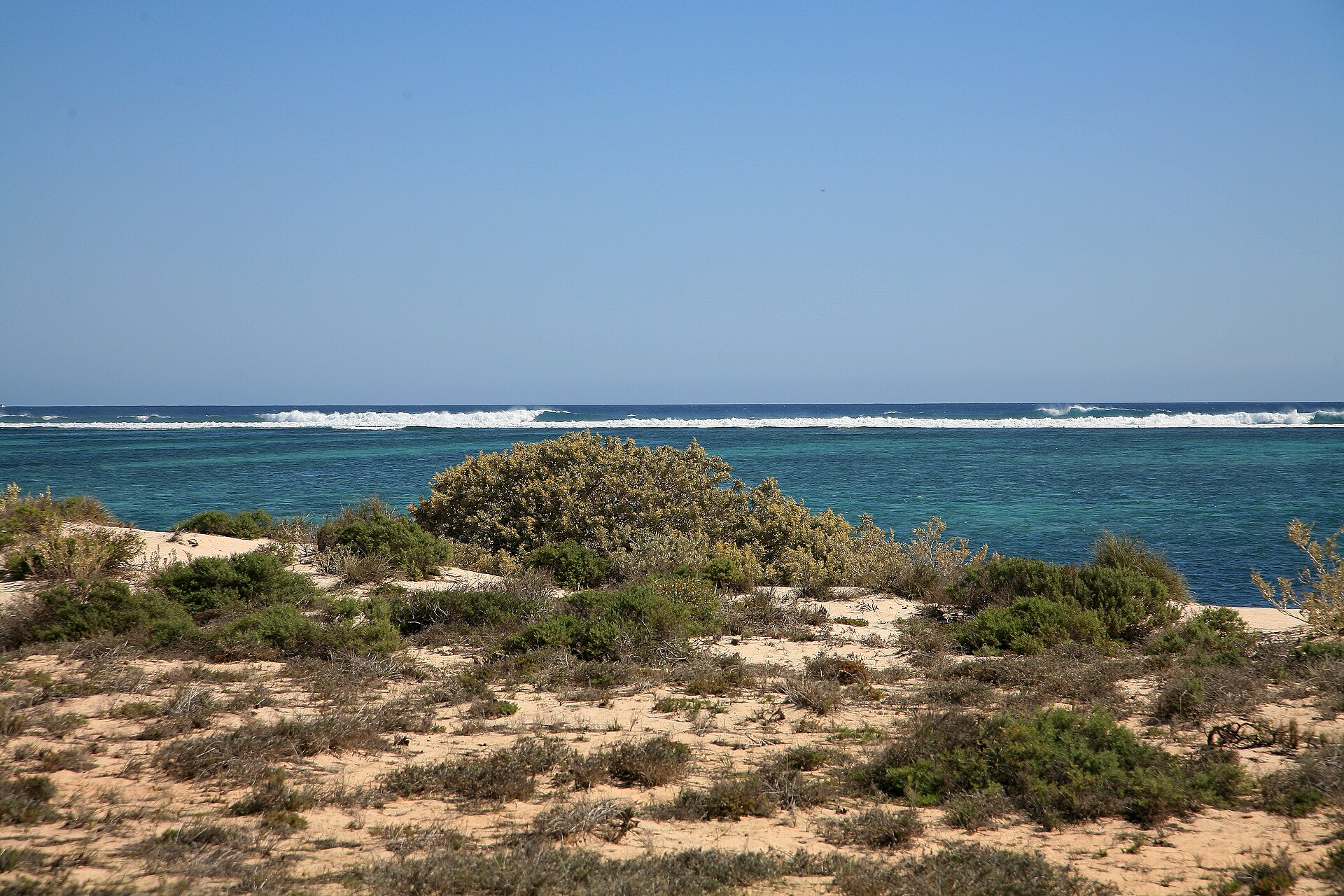
Ningaloo Reef, stretching along the remote Coral Coast north of Perth, is the most reliable place on Earth to swim with whale sharks. These are the largest fish in the ocean - growing to twelve metres or more - and despite their size, they are filter feeders that pose no threat to swimmers. Tours operate from both Exmouth and Coral Bay, with the season running roughly from mid-March through to late July, though in recent years sharks have been sighted as late as November.
A spotter plane locates the shark before your boat moves into position. You then slip into the water in a group of up to ten swimmers, guided by a divemaster who reads the shark's behaviour and signals when to move. You are snorkelling, not scuba diving - the operators keep it that way because whale sharks dislike bubbles. The full day on the water, typically 7am to 4:30pm, usually includes multiple reef snorkel sessions, meals, equipment and professional photography.
There are around twelve licensed operators in the area. Tour prices start from around $575 per adult for a standard full-day experience, rising to around $615-$625 depending on the operator and inclusions. Most offer a free rebook if no whale shark is sighted - the success rate across peak season sits around 95%. Look for operators with Eco Star or Marine Tourism accreditations.
Best time: Late March to late July for peak reliability. Coral Bay tours end earlier (around June); Exmouth runs longer.
local_activity Bookable experiences
 Wildlife
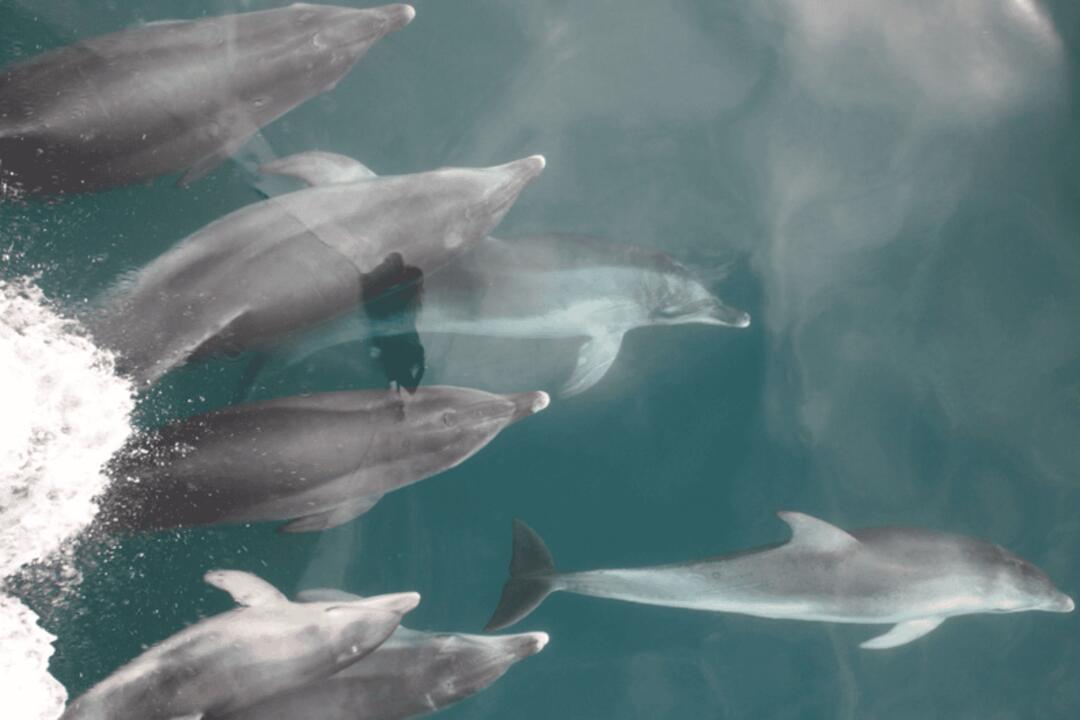
Sorrento, VIC
Dolphin Watch in Port Phillip Bay Gift Voucher - Sorrento VIC
Come andobserve dolphins in their natural surroundingson a boat as we transverse Port Phillip Bay.
 Wildlife
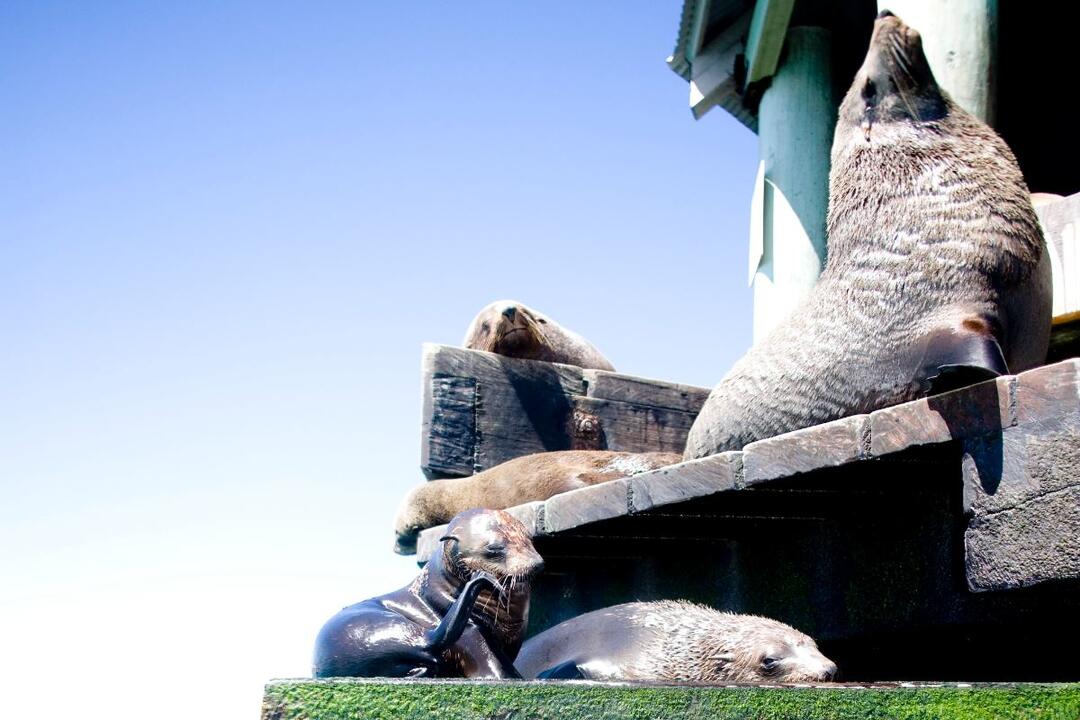
Sorrento, VIC
3 hour Dolphin and Seal Cruise Sightsee - Gift Voucher or Instant Booking - Sorrento VIC
Experience an encounter with dolphins and seals on this 3-hour cruise around Port Phillip.
Queensland - Humpback Whales at Hervey Bay
Hervey Bay, sheltered by Fraser Island (K'gari), is arguably the best place in the world to interact with humpback whales at close range. The calm, protected waters attract whales on their northward migration, and some pods - particularly resting mothers with older calves - linger for days at a time, making meaningful encounters possible.
A handful of operators hold permits to run in-water whale swims, and the experience is unlike anything else in Australian wildlife tourism. You float at the surface in a wetsuit and snorkel while a whale chooses whether to approach. Operators follow the Australian National Guidelines for Whale and Dolphin Watching strictly, and permits explicitly prohibit swimming with mothers and small calves - the encounter only goes ahead on the whale's terms. Water temperatures sit between 19 and 23 degrees Celsius, so a wetsuit is comfortable but not bulky.
Importantly, whale swims cannot be booked as a guaranteed product - the operator books you for the tour and the swim is attempted if conditions and whale behaviour allow. Prices for swim-and-watch tours start from around $200-$260 per person.
Best time: Mid-July to mid-September for swim permits; late July to early September is peak for calm whale behaviour. Avoid waiting until October if you specifically want an in-water experience.
The Sunshine Coast also offers humpback encounters from July to October, though Hervey Bay remains the gold standard for proximity and time spent with individual whales.
Western Australia - Wild Dolphins at Rockingham
Just 35 minutes south of Perth, Rockingham is home to a resident pod of Indo-Pacific bottlenose dolphins that have been the focus of guided in-water encounters since 1989. Perth Wildlife Encounters runs the operation, and it has a claimed 99% success rate at finding dolphins on the day - with a free rebook guarantee if dolphins are not seen.
Tours depart Rockingham's Val Street Jetty at around 7:50am and run for three to six hours depending on dolphin behaviour. Once the crew locates the pod, small groups enter the water alongside guides using aqua scooters, which help maintain pace with the dolphins. You float face-down and watch - the operator operates a strict no-touch, no-feed policy to protect the dolphins' skin and preserve the natural curiosity-based relationship the pod has with swimmers.
Prices are from around $299 per person for swimmers (spectators from around $150). Water temperatures range from 18 to 25 degrees Celsius across the season, which runs late September through to early June.
Best time: November to April for warmest water; the season is long enough that most visitors can find a suitable date.
Victoria - Dolphins and Fur Seals in Port Phillip Bay
Port Phillip Bay, right on Melbourne's doorstep, holds its own surprises. Moonraker Dolphin Swims runs small-group tours (typically capped at around ten guests) that combine the chance to snorkel with wild common dolphins and cheeky Australian fur seals in a single cruise.
This is a genuinely accessible experience for travellers who are not making a dedicated wildlife trip to remote Australia. The bay's sheltered waters make conditions manageable for most swimmers, and the seals in particular are bold and interactive - they treat snorkellers as a source of entertainment. Pricing starts from around $130-$170 per person.
Best time: November to April, though tours run outside this window in suitable conditions.
South Australia - Sea Lions at Baird Bay
Baird Bay, a tiny community on the Eyre Peninsula roughly eight hours west of Adelaide by road, is the only place in Australia where a single guided experience lets you swim with both wild sea lions and wild dolphins on the same day.
Baird Bay Experience runs small-group half-day tours (maximum twenty guests) into the calm, shallow waters of the bay. The sea lion colony at Jones Island is the highlight - Australian sea lions are curious, agile and genuinely playful in the water, mimicking movements and approaching within arm's reach (though guides remind you not to initiate contact). A second leg of the tour moves to a separate part of the bay for the dolphin encounter.
Tours operate from October to April. Prices start from around $180-$220 per person; check directly with the operator for current rates as the business is small and pricing reflects its remote location.
Best time: November to March for warmest conditions and reliable sea lion behaviour.
South Australia - Giant Cuttlefish at Whyalla
Every winter, tens of thousands of giant Australian cuttlefish converge on a short stretch of rocky reef at Stony Point, about twenty minutes from Whyalla's town centre, to mate. It is one of the most astonishing aggregation events in the natural world - and you can watch it with a snorkel in water as shallow as two to three metres.
Cuttlefish are not fish; they are cephalopods related to squid and octopus, and their ability to shift colour and pattern in real time is unlike anything else you will encounter snorkelling in Australia. Males display and jostle constantly; females move calmly through the chaos. The sheer density means you are surrounded immediately after entering the water.
The site is accessible as a self-guided snorkel from a purpose-built platform and ramp, though guided options (including glass-bottom boat tours for non-swimmers) are available. Water temperatures drop to around 11-14 degrees Celsius, so a thick wetsuit is essential. Budget for around $60 per person for a glass-bottom boat if you prefer to stay dry, or guided dive experiences from around $100-$150 per person.
Best time: Mid-May to late July. The gathering peaks around June.
Note: if you want to combine Baird Bay sea lions (October to April) and Whyalla cuttlefish (May to August) in one South Australian road trip, you will need to plan carefully - the seasons do not overlap, so allow for separate visits or a spring/autumn timing that catches one and nearly catches the other.
Queensland - The Great Barrier Reef
No list of Australian wildlife swims is complete without the Great Barrier Reef. Cairns is the main gateway, with full-day outer reef tours departing daily and placing you on pontoons or reef platforms 45 to 90 minutes offshore. The marine life on a healthy outer reef - giant turtles, reef sharks, parrotfish, maori wrasse, rays - is genuinely spectacular for first-time snorkellers.
Prices for full-day outer reef snorkel tours start from around $199-$250 per adult depending on operator and season. Choose operators with Advanced Eco Certification from the Great Barrier Reef Marine Park Authority.
A less-known experience unique to the reef: dwarf minke whale encounters are possible in Tropical North Queensland each year, generally in June and July around the Ribbon Reefs north of Cairns. A handful of liveaboard operators hold specific permits; numbers are carefully controlled and the whales initiate all contact.
Best time: June to October for the clearest water and mildest conditions; June to July specifically for dwarf minke whales.
Things to Know Before You Book
- Sunscreen: Use reef-safe, mineral-based sunscreen (zinc oxide or titanium dioxide). Standard chemical sunscreens damage coral and are banned by some operators.
- No touch: This applies to every experience on this list. Wildlife skin, slime coats and behaviour can all be disrupted by human contact. Keep your hands to yourself.
- Swell and weather: Most operators have minimum passenger numbers and will cancel in unsafe conditions. Check cancellation policies before you book non-refundable transport to remote locations.
- Fitness: You do not need to be a strong swimmer for most of these experiences - wetsuits provide buoyancy and guides are in the water with you. However, inform operators of any health conditions in advance.
- Permits matter: In-water encounters with whales and whale sharks are tightly regulated. Licensed operators work within strict government frameworks. If a tour looks unusually cheap or promises contact with animals, treat it as a warning sign.
- Book early for peak season: Whale shark tours at Ningaloo and humpback swims at Hervey Bay regularly sell out weeks in advance during July and August.
Ready to book?
Browse all swim-with-wildlife experiences on Where Down Under, or book one of these now:
local_activity Bookable experiences
Wildlife
Sorrento, VIC
Dolphin Watch in Port Phillip Bay Gift Voucher - Sorrento VIC
Come andobserve dolphins in their natural surroundingson a boat as we transverse Port Phillip Bay.
Wildlife
Sorrento, VIC
3 hour Dolphin and Seal Cruise Sightsee - Gift Voucher or Instant Booking - Sorrento VIC
Experience an encounter with dolphins and seals on this 3-hour cruise around Port Phillip.
 Wildlife
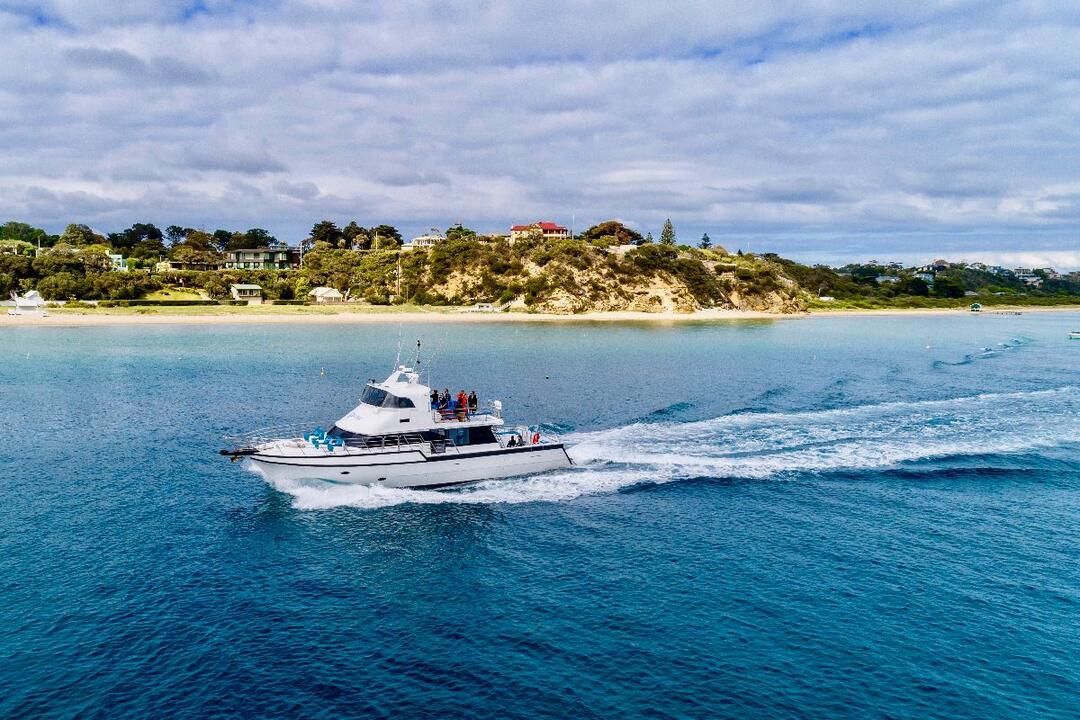
Sorrento, VIC
Wildlife Adventure Cruise from Sorrento - Gift Voucher or Instant Booking - Sorrento VIC
Embark on a thrilling Sorrento and Portsea waterfront cruise trip, filled with picturesque views, renowned homes and a chance to spot playful dolphins, seals and other wildlife.
Sources