Story · 2 min read
Tasmania's Wild North-West
Volcanic plugs, old towns and the edge of the Tarkine
The Editorial Desk · June 2026
Beyond Cradle Mountain, Tasmania's north-west corner stays gloriously uncrowded: a flat-topped sea mountain, a Georgian fishing town, and a city gorge that feels like wilderness.
Most visitors to Tasmania's north arrive for one thing, the jagged silhouette of Cradle Mountain, and leave without seeing the rest. That is their loss. The far north-west is one of the quietest, strangest and most rewarding corners of the state.
The Nut
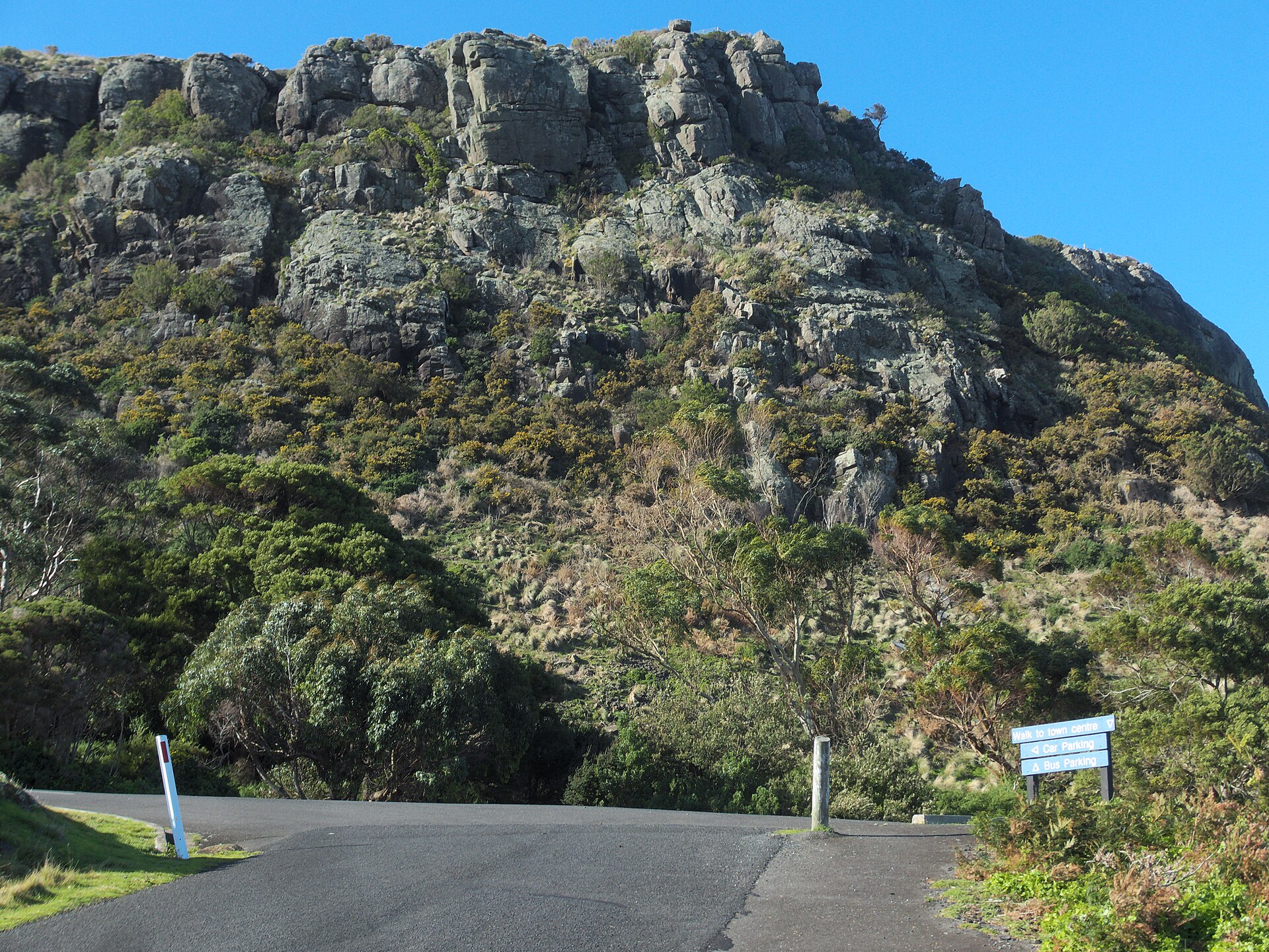
Drive west along the coast and you cannot miss it: a flat-topped mass rising straight out of Bass Strait above the little town of Stanley. The Nut is the solidified core of an extinct volcano, its softer surroundings long since eroded away. A steep zig-zag track, or a chairlift if your knees object, carries you to a summit circuit with the sea on every side. George Bass and Matthew Flinders noted it in 1798; the local Aboriginal people knew it long before, as Moo-Nut-Re-Ker.
Below it, Stanley is one of the best-preserved Georgian towns in Australia, all weatherboard cottages and a working fishing harbour, with penguins coming ashore at dusk on Godfreys Beach.
Cradle Mountain, properly
If Cradle is on your list, give it more than a photo stop. The Dove Lake circuit, a flat six kilometres with the mountain reflected in the water, is one of the great short walks in the country, and the button grass and ancient pencil pines feel a world away from the coast you just left.
A gorge in the city
End in Launceston, where Cataract Gorge sits barely a kilometre from the centre of town. The South Esk River has carved a wild dolerite canyon here, crossed by a 1904 suspension bridge and the longest single-span chairlift in the world. Peacocks wander the Victorian gardens, and in summer the First Basin pool fills with swimmers. It is the gentlest possible end to a trip through Tasmania's wild edge.
Destinations in this article