Cape Otway
Ancient rainforest, wild coastline and the oldest lighthouse on mainland Australia
schedule 2 min read / Updated Apr 2026
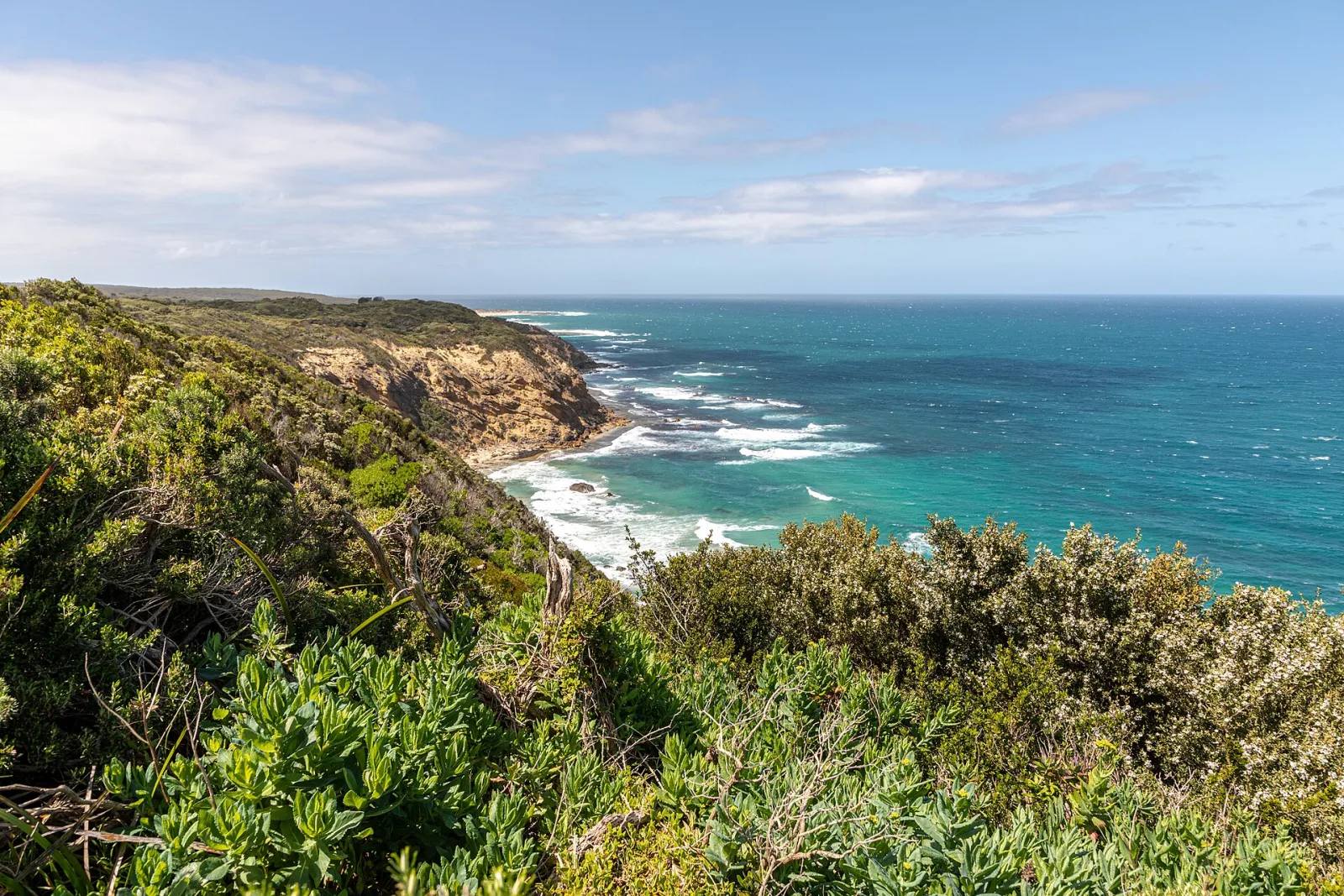
The southernmost point of the Victorian mainland, where the Great Otway National Park meets the Southern Ocean. Cape Otway is home to the oldest surviving lighthouse on mainland Australia, tall stands of ancient myrtle beech rainforest and some of the densest wild koala populations in the country.
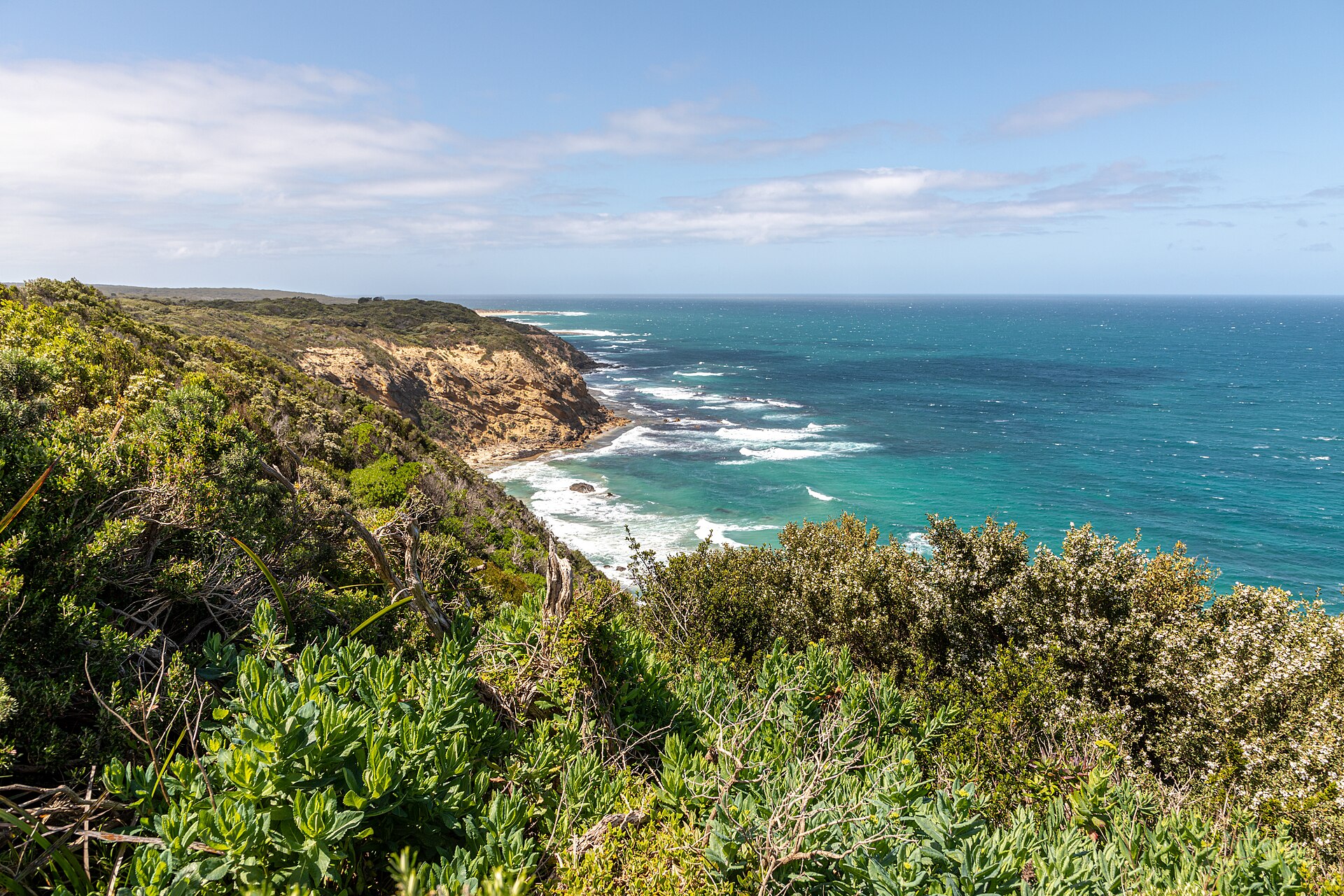
Cape Otway is a rugged headland at the southern tip of the Otway Ranges, about 200 kilometres south-west of Melbourne and a short detour off the Great Ocean Road between Apollo Bay and the Twelve Apostles. The cape marks the point where Bass Strait meets the Southern Ocean, and the surrounding waters have claimed more than 30 ships since European settlement.
The Cape Otway Lightstation, built in 1848, is the oldest surviving lighthouse on mainland Australia. It was constructed in response to the wrecks on this treacherous stretch of coast and operated continuously for over 150 years before being decommissioned in 1994. The lightstation complex is now open to visitors and includes the original lighthouse (which you can climb for sweeping ocean views), the head keeper's quarters, the telegraph station and a World War Two radar bunker. The site is privately operated and charges an entry fee.
The Great Otway National Park surrounding the cape protects one of the most significant remnants of cool temperate rainforest in Victoria. The Maits Rest Rainforest Walk, a 30 minute boardwalk loop through ancient myrtle beech forest, is the most accessible introduction. Some of the myrtle beeches here are estimated to be over 300 years old, and the understory of tree ferns, mosses and epiphytes creates a primordial atmosphere. The Otway Fly Treetop Walk, a few kilometres further east, offers a 600 metre elevated steel walkway through the canopy at 25 metres above the forest floor.
The roads approaching Cape Otway are famous for wild koalas. The manna gum trees along Lighthouse Road support one of the densest koala populations in Australia, and sightings are virtually guaranteed. The population occasionally grows too dense for the available food, and wildlife management programs monitor the trees and relocate animals when needed.
Whale watching from the cape headland is productive from June to September, when humpback and southern right whales pass close to shore on their migration. The lighthouse grounds also offer sightings of fur seals on the rocks below. The cape is a natural stop on a Great Ocean Road drive and pairs well with a stay in Apollo Bay, 30 minutes to the north-east.
Where to stay
Holiday parks near Cape Otway.
1 option via our booking partner

Bookings handled by our partner Parkbooker. We may earn a commission at no extra cost to you.
Scenic views
Lookouts near Cape Otway.
You may also like





Attribution
Sources & credits
Content (1)
Images (3)
- Cape Otway (AU), Cape Otway Lighthouse, Coastline -- 2019 --... · Dietmar Rabich · CC BY-SA 4.0
- Cape Otway (AU), Cape Otway Lighthouse, Coastline -- 2019 --... · Dietmar Rabich · CC BY-SA 4.0
- Cape Otway (AU), Cape Otway Lighthouse, Coastline -- 2019 --... · Dietmar Rabich · CC BY-SA 4.0
,_Cape_Otway_Lighthouse,_Coastline_--_2019_--_1180.jpg)
,_Cape_Otway_Lighthouse,_Coastline_--_2019_--_1206.jpg)
,_Cape_Otway_Lighthouse,_Coastline_--_2019_--_1209.jpg)
Images sourced from Wikimedia Commons under licenses that permit commercial use. If you are the rights holder and believe an attribution is incorrect, please contact us.