
Chillagoe
Limestone caves, Aboriginal rock art and a forgotten mining frontier
schedule 2 min read / Updated Apr 2026
A tiny outback town 215 kilometres west of Cairns, surrounded by spectacular limestone karst towers, ancient cave systems and a rich mining history. Chillagoe was once a thriving copper and marble town and is now a quiet base for exploring some of the most impressive cave formations in northern Australia.
Chillagoe sits on the dry western side of the Great Dividing Range in Far North Queensland, about 215 kilometres west of Cairns via Mareeba and the Burke Developmental Road. The landscape around the town is dominated by dramatic limestone karst towers - tall, weathered columns of grey rock rising out of dry eucalypt woodland - that are remnants of a coral reef system that existed here around 400 million years ago when the area was covered by a shallow sea.
The Chillagoe-Mungana Caves National Park protects several hundred caves scattered across the karst landscape. Three caves are open for guided tours run by Queensland Parks rangers: Donna Cave (the most decorated, with abundant stalactites and flowstone), Trezkinn Cave (the most spacious, with large cathedral-like chambers) and Royal Arch Cave (the most architecturally dramatic, entered through a massive natural arch). Tours run daily and are booked through the Chillagoe Hub visitor centre.
The limestone towers and surrounding rock shelters contain significant Aboriginal rock art sites, some dating back thousands of years. The Balancing Rock area, a short walk from the town centre, includes a number of painted rock shelters with stencil art and figurative designs. These are the traditional lands of the Wakaman people, and visitors should stay on designated paths near cultural sites.
Chillagoe had a brief but intense mining history. Copper, gold and marble were extracted from the 1880s through to the 1940s, and the remains of the Chillagoe Smelters, a large copper smelting complex that operated from 1901 to 1943, still stand on the edge of town. The smelter ruins include tall chimneys, slag heaps and sections of the original tramway, and are heritage listed. The town itself retains a frontier character, with a single pub, a general store and a population of around 200 people.
The best time to visit is the dry season from May to October, when the weather is warm and dry and the roads are all open. Summer (November to March) is very hot and humid and some of the unsealed roads can be impassable after rain. The drive from Cairns takes about three hours and passes through some of the most varied landscapes in Far North Queensland, from lush rainforest to dry savannah.
Scenic views
Lookouts near Chillagoe.
You may also like

Atherton Tablelands
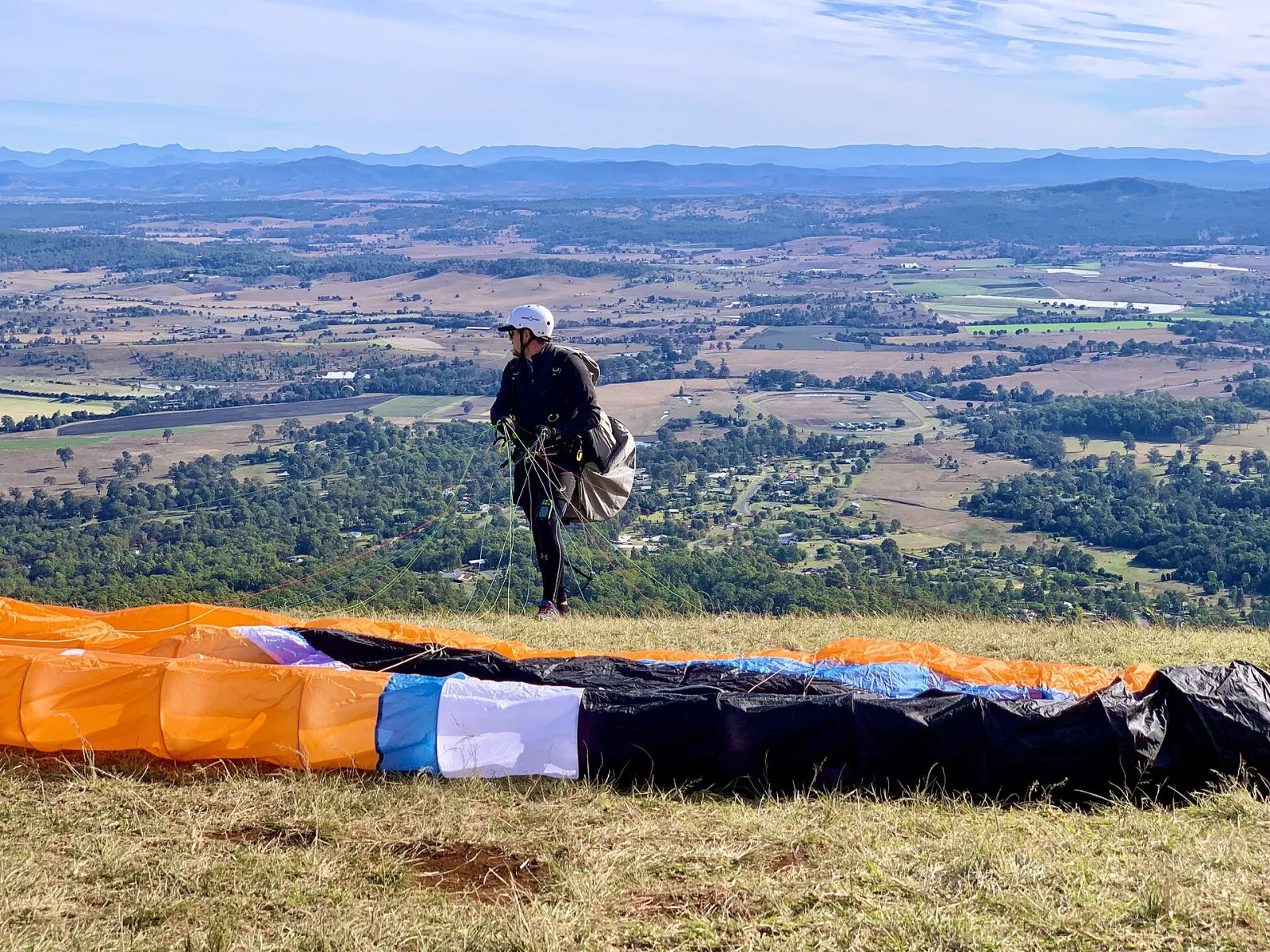
Tamborine Mountain

Noosa Heads

Caloundra
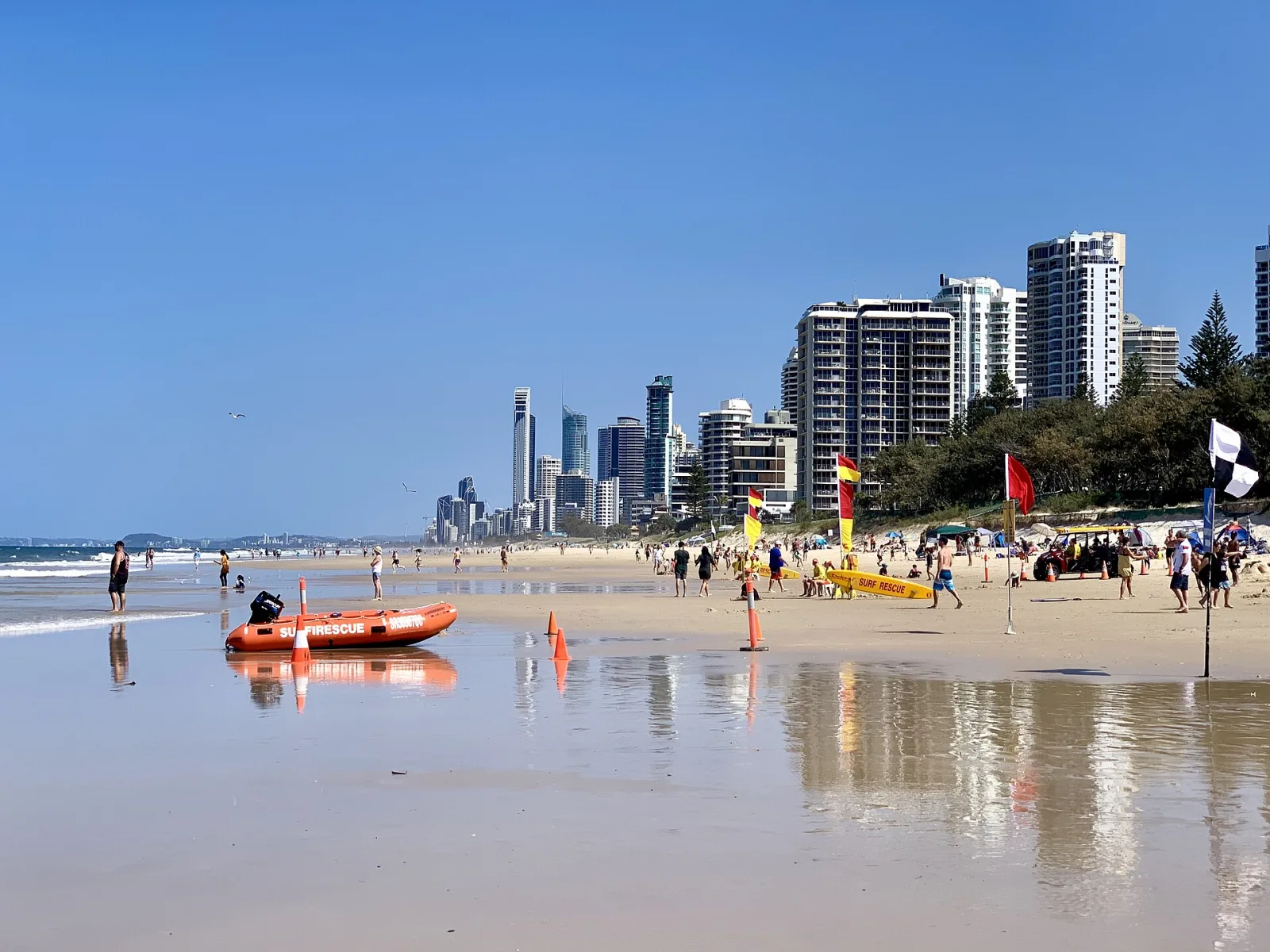
Main Beach

Cooktown

Surfers Paradise

Mossman Gorge

Norwell

Eungella National Park

Brisbane City

Rainbow Beach
Attribution
Sources & credits
Content (1)
Images (3)
- Lappa Junction, North Queensland - circa 1908.jpg · Aussie~mobs · Public domain
- StateLibQld 1 390657 Chillagoe, ca. 1907.jpg · Public domain
- Struthidea cinerea.jpg · robstephaustralia · CC BY 2.0


Images sourced from Wikimedia Commons under licenses that permit commercial use. If you are the rights holder and believe an attribution is incorrect, please contact us.