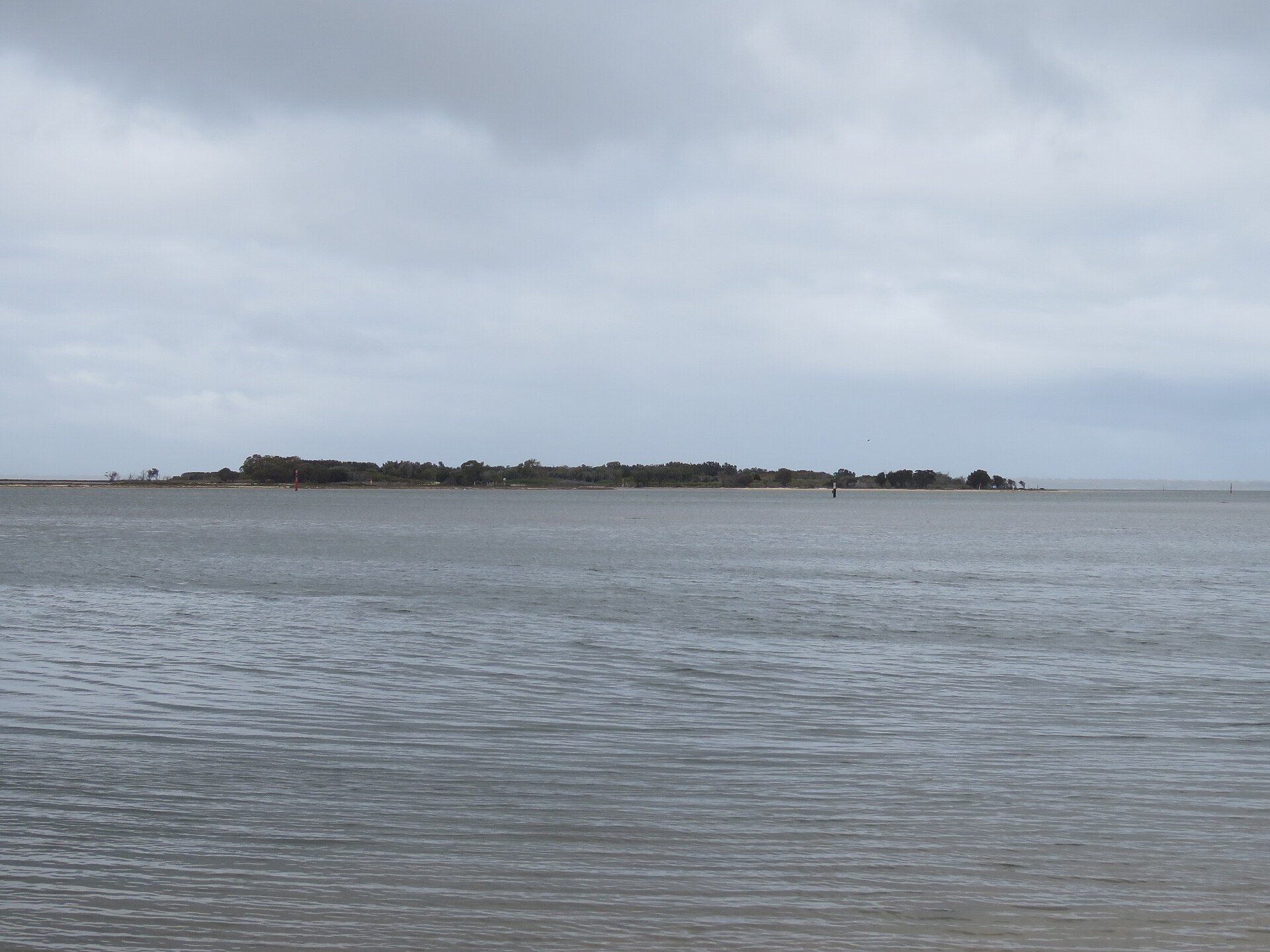
Mandurah
Mandjoogoordap
Where dolphins and blue swimmer crabs share the same sparkling estuary - just an hour south of Perth.
On the lands of the Bindjareb people of the Noongar Nation people.
schedule 2 min read / Updated Jun 2026
Mandurah - or Mandjoogoordap, meaning "meeting place of the heart" in the Noongar language - is Western Australia's second-largest city, sitting on the shimmering Peel-Harvey Estuary about 72 kilometres south of Perth. A place where dolphins glide through canal waterways, blue swimmer crabs fill summer pots, and a relaxed foreshore culture draws visitors year-round, Mandurah has grown from a quiet fishing village into one of the state's most beloved coastal destinations. It remains the country of the Bindjareb people, whose deep connection to these waters and wetlands stretches back more than 60,000 years.
The Peel-Harvey Estuary is the beating heart of Mandurah, covering around 134 square kilometres - roughly twice the size of Sydney Harbour - and supporting one of Australia's most closely studied wild dolphin populations. Approximately 80 to 90 resident bottlenose dolphins call the inland waterways home, with a further 400-plus individuals ranging the coastal waters nearby. Dolphin-watching cruises depart regularly from Dolphin Quay Marina, and it is not uncommon to spot the animals surfing bow waves or hunting in the shallow estuary from the foreshore boardwalk at no cost at all.\n\nThe estuary also produces the blue swimmer crabs that have become synonymous with Mandurah's food culture. The crabbing season runs from December through August, with January to early April delivering the largest catches. Visitors wade the shallows with scoop nets or join guided crabbing vessel tours on the Peel Inlet - a tradition so beloved the city hosts Crab Fest each March, one of Western Australia's biggest free events, drawing tens of thousands of visitors to the eastern foreshore for live music, seafood, and fireworks over the water.\n\nBeyond the estuary, Mandurah offers a surprisingly rich arts and culture scene. Danish sculptor Thomas Dambo's Giants of Mandurah is a free, permanent outdoor trail of six towering recycled-timber sculptures hidden across the Peel region, each reached by walking tracks ranging from 500 metres to 3.6 kilometres return. The Mandurah Community Museum traces the city's history from Bindjareb custodianship through its colonial establishment in 1831, while the performing arts centre on the foreshore stages theatre, music, and community events throughout the year.\n\nThe city's beaches and canal network cater to swimmers, kayakers, and anglers of all abilities. Town Beach provides accessible beach matting and loan beach wheelchairs through the City of Mandurah, while Halls Head Beach and Silver Sands Beach are popular family swimming spots. The Riverside Gardens All Abilities Paddle Launch gives wheelchair users safe, ramped access to watercraft, and dedicated ACROD parking bays are spread across key foreshore locations.\n\nMandurah is easily reached from Perth in about 55 minutes by car or just over 50 minutes by train on the Mandurah Line, with services running every 15 minutes during peak periods. This accessibility, combined with a compact and walkable foreshore precinct, makes it equally suited to a day trip or a multi-night stay - particularly in spring and early summer when the weather is warm, the days are long, and the estuary is at its liveliest.
Scenic views
Lookouts near Mandurah.
You may also like
Rottnest Island

Perth

Kununurra

Cape Le Grand National Park
Mandoon Estate
Cable Beach
Leeuwin-Naturaliste National Park
Denmark

Ningaloo Reef
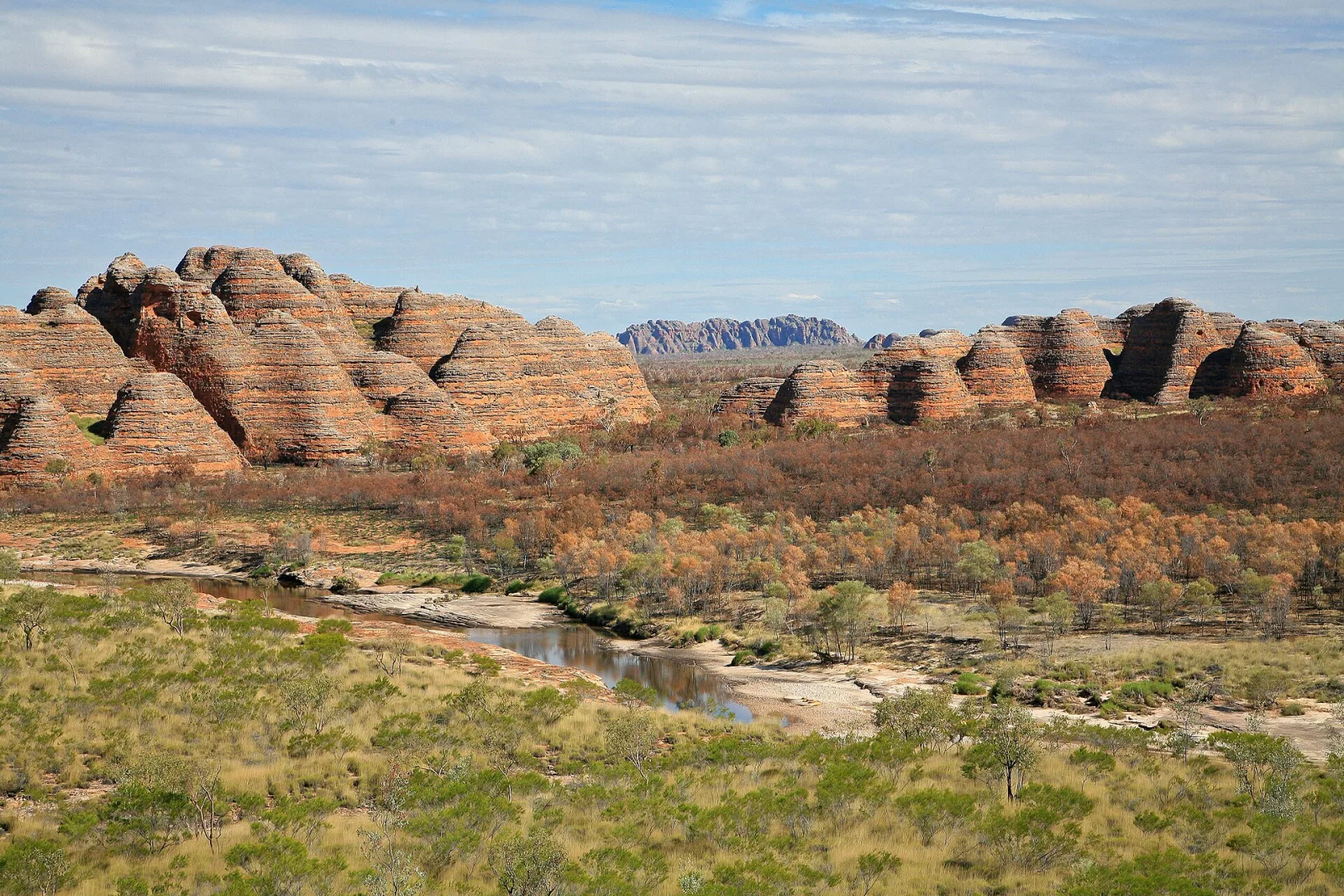
Bungle Bungle Range

Geraldton
Jandakot
Attribution
Sources & credits
Content (1)
Images (3)
- Boundary Island, Peel Inlet, Western Australia, October 2021... · Calistemon · CC BY-SA 4.0
- Boundary Island, Peel Inlet, Western Australia, October 2021... · Calistemon · CC BY-SA 4.0
- Boundary Island, Peel Inlet, Western Australia, October 2021... · Calistemon · CC BY-SA 4.0


Images sourced from Wikimedia Commons under licenses that permit commercial use. If you are the rights holder and believe an attribution is incorrect, please contact us.