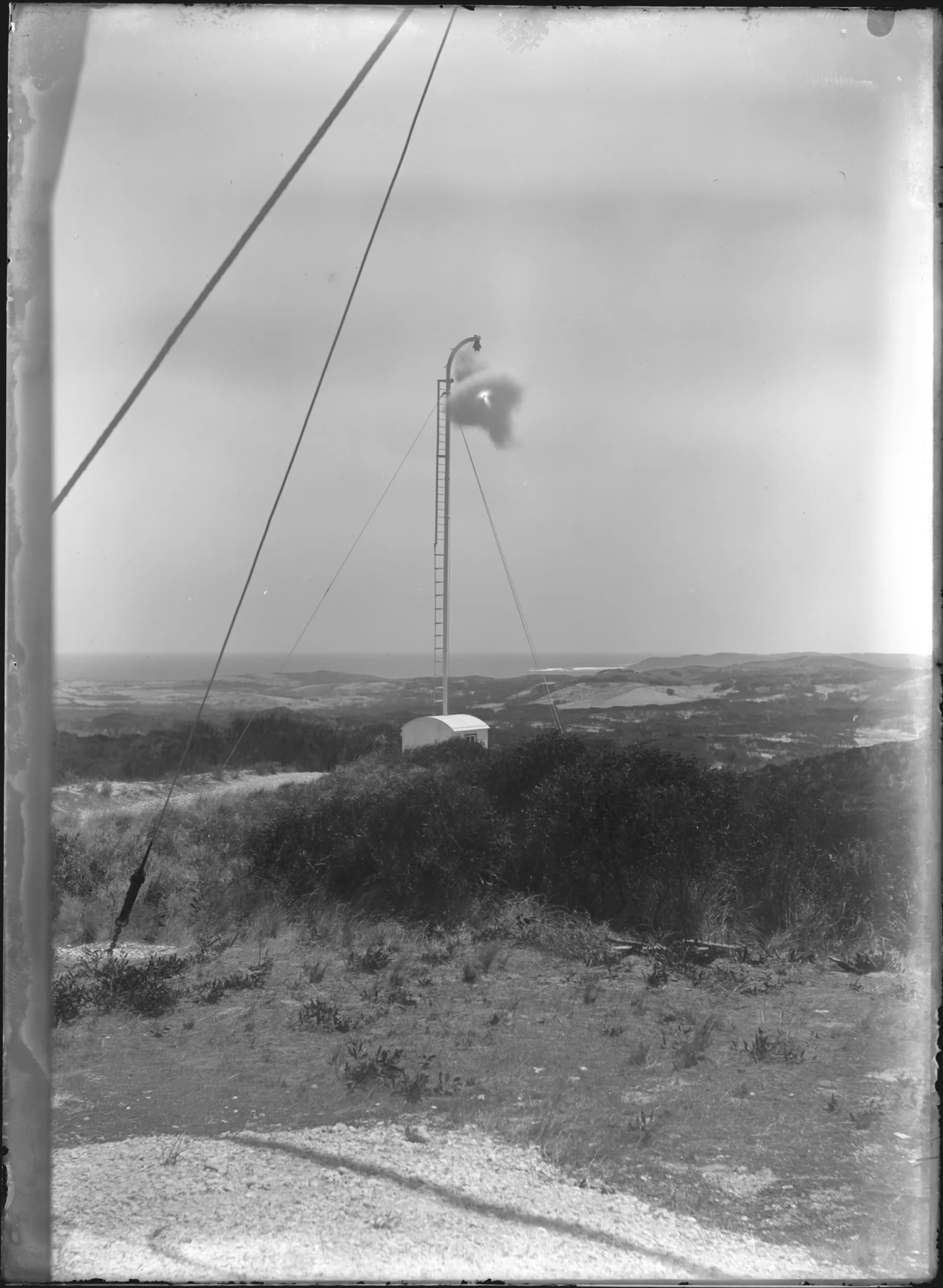
Rottnest Island
Wadjemup
The Quokka Island
On the lands of the Whadjuk Noongar people.
schedule 1 min read / Updated Jun 2026
A 19 square kilometre island 19 kilometres off Fremantle, accessible by 30 minute ferry. Rottnest is famous for its population of around 12,000 quokkas, the small wallaby that became internet famous for its smile.
Rottnest Island, called Wadjemup by the Whadjuk Noongar people, is the largest of the islands in the Perth metropolitan area. It was named in 1696 by Dutch explorer Willem de Vlamingh after he mistook the quokkas for large rats and named it 'rats' nest island'. The island is car-free except for service vehicles, and visitors get around on bicycles, the hop-on hop-off Bayseeker bus, or on foot.
The quokka population is estimated at around 12,000. They are the only native land mammal on the island and are now found almost nowhere else on the mainland. The 'quokka selfie' became a global Instagram phenomenon in the late 2010s.
The island has more than 60 small white-sand bays. The Basin (the calmest swimming spot near the main settlement) and Little Salmon Bay (one of the best snorkelling sites) are the most popular. The Wadjemup Lighthouse on the highest point of the island is open for tours.
Rottnest also has a sobering colonial history: it was used as an Aboriginal prison from 1838 to 1931, and around 370 Aboriginal men died here. The Wadjemup Project is currently working with Noongar elders to commemorate the site.
Common questions
Things visitors ask about Rottnest Island.
Quick answers to help you plan.
Where is Rottnest Island?
expand_more
Rottnest Island, known traditionally as Wadjemup, sits about 19 kilometres off the coast of Fremantle in Western Australia. It is roughly 11 kilometres long and 4.5 kilometres wide, with the Indian Ocean on all sides and Perth visible on the mainland horizon.
How do I get to Rottnest Island?
expand_more
Three operators run ferries year-round: Rottnest Express and SeaLink Rottnest sail from Fremantle (about 25 minutes) and Perth's Barrack Street Jetty (about 90 minutes), while Rottnest Fast Ferries departs Hillarys Boat Harbour (about 45 minutes). Return fares typically range from around $68 for sundowner specials to about $130 from Hillarys, and booking ahead is strongly recommended in summer.
Should I do a day trip or stay overnight?
expand_more
A day trip of 6 to 8 hours is enough to ride to a few beaches, see quokkas in the settlement and grab lunch. Staying overnight lets you reach the quieter west-end bays, snorkel without crowds and experience the island after the last ferry leaves around 4.30pm, when day-trippers head back to Perth.
Can I take a quokka selfie, and what are the rules?
expand_more
Yes, but you must not touch, pat, feed or chase the quokkas, all of which are illegal under Western Australian wildlife laws and can attract fines. Crouch down low, stay still and let the quokka approach you on its own; mornings and early evenings near the main settlement are the easiest times to find them.
How do I get around the island without a car?
expand_more
Private cars are not allowed on Rottnest, so most visitors explore by bike. Quokka Coaches also runs the Island Explorer hop-on-hop-off bus with 19 stops around the island, plus a free shuttle between the main jetty and Geordie Bay, Thomson Bay and Kingstown.
Where do I hire a bike?
expand_more
Pedal and Flipper is the island's main hire facility, located on Bedford Avenue just behind Hotel Rottnest and a short walk from the main jetty. They rent step-through, cross-bar, electric and kids' bikes, plus baby seats, child trailers and snorkelling gear, and run a Bike and Bus package so you can ride out and catch the bus back.
What are the best beaches on Rottnest?
expand_more
The Basin is the most popular, with a sheltered tidal pool that locals consistently rank as the island's best swimming spot. Pinky Beach below Bathurst Lighthouse is calm and family-friendly, while Salmon Bay and Little Salmon Bay on the south coast are prized for clear water and reef.
Where is the best snorkelling?
expand_more
Little Salmon Bay has a marked 700-metre snorkel trail with 10 underwater plaques identifying coral and fish species, making it ideal for beginners and families. Salmon Bay next door is larger and more exposed, with extensive reef systems and bigger schools of fish for confident snorkellers.
When is the best time of year to visit?
expand_more
October to April offers the warmest, calmest swimming conditions, with average summer temperatures around 26 degrees Celsius. Spring (September to November) brings baby quokkas, wildflowers and migrating humpback whales, while winter (June to August) is cheaper and quieter but often too rough for swimming.
What accommodation is available on the island?
expand_more
Options include Hotel Rottnest and the boutique Samphire Rottnest in Thomson Bay, Discovery Rottnest Island's eco-tents behind Pinky Beach (with Pinky's Beach Club restaurant), and The Lodge Wadjemup beside the salt lakes (the redeveloped former Karma Rottnest, reopened in December 2024). The Rottnest Island Authority also manages hundreds of self-contained holiday units bookable through Stay Rottnest, plus the Stay Rottnest Campground near the main settlement.
What is the Indigenous name and cultural significance of the island?
expand_more
The traditional Whadjuk Noongar name for the island is Wadjemup, meaning "place across the water where the spirits are". Before sea levels rose around 6,500 years ago Wadjemup was connected to the mainland and used by Whadjuk Noongar people for ceremony, and it remains a deeply significant cultural site.
What happened during the Aboriginal prison era?
expand_more
From 1838 to 1931 Wadjemup was used as a prison and forced-labour camp for Aboriginal men and boys taken from across Western Australia, with around 4,000 incarcerated there over that period. Many died from disease, overcrowding and violence, and the Wadjemup Aboriginal Burial Ground and the Quod are now central to a State-led process of truth-telling, healing and reconciliation guided by Whadjuk Noongar Elders.
Tourist locations
Places to visit in Rottnest Island.
6 locations to explore
Little Salmon Bay Snorkel Trail
Guided underwater reef discovery
Free (island admission included in ferry fare)
Full guide arrow_forwardOliver Hill Gun Battery and Tunnels
WWII guns beneath the island
$15 adult, $7 child, $34 family
Full guide arrow_forwardQuokka Encounters on Wadjemup
Meet the world's happiest animal
Free (island admission included in ferry fare)
Full guide arrow_forwardRottnest Island Cycling Loop
Arrive by sea, explore by bike
From $85 return per adult from Fremantle (includes island admission)
Full guide arrow_forwardThe Basin and Pinky Beach
Crystal water, coral reef
Free (island admission included in ferry fare)
Full guide arrow_forwardWadjemup Lighthouse
WA's tallest historic lighthouse
$15 adult, $7 child, $34 family
Full guide arrow_forwardThings to do
Recommended Experiences
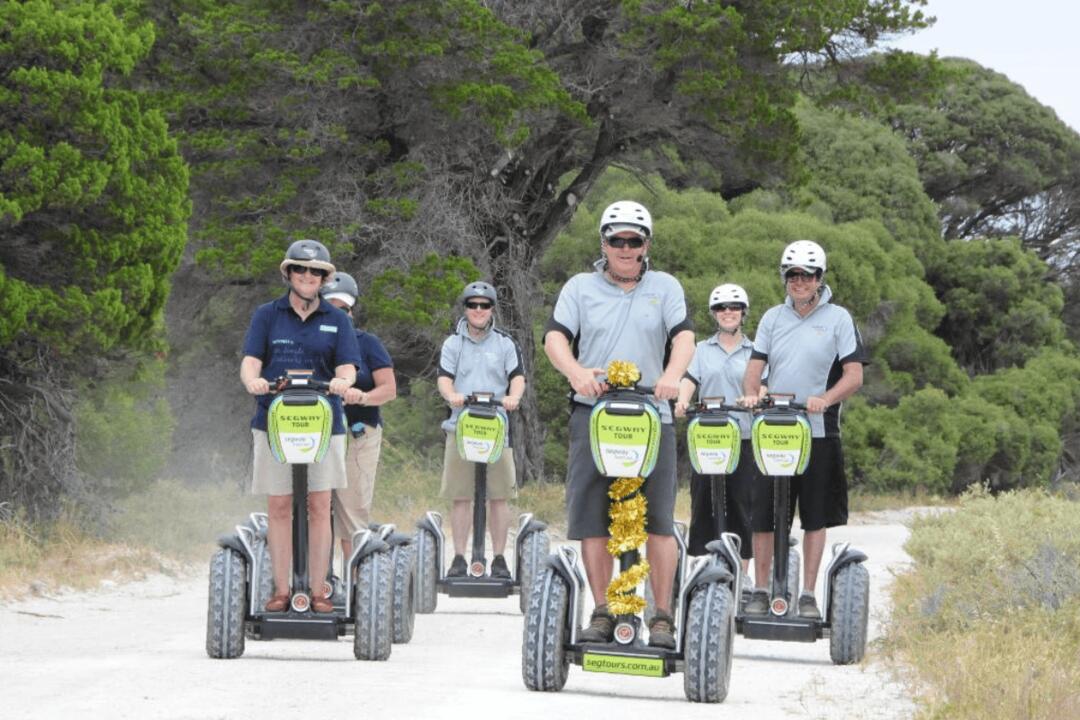
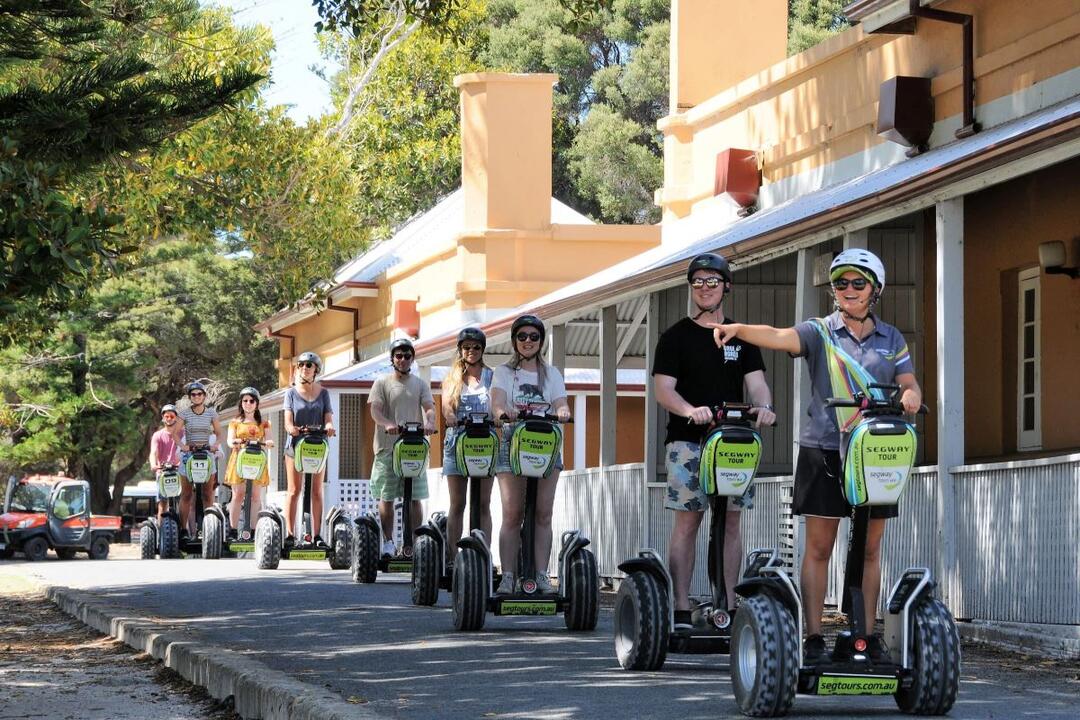
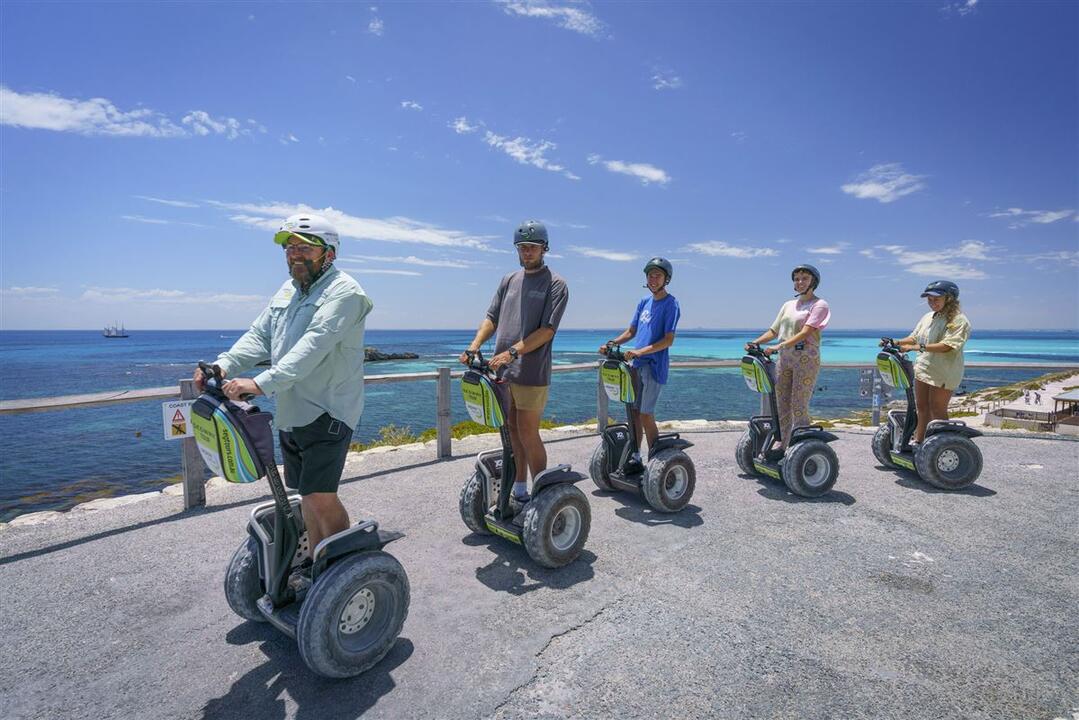
3 bookable experiences at or near Rottnest Island.
Featured in
Shortlists that include Rottnest Island.

Scenic views
Lookouts near Rottnest Island.
You may also like

Perth
Mandurah
Neerabup

Two Peoples Bay
Karijini National Park

Coral Bay
Leeuwin-Naturaliste National Park
Kalgoorlie-Boulder

Wanneroo

Kununurra

Lake Hillier

Esperance
Attribution
Sources & credits
Content (6)
- Wikipedia: Rottnest Island · CC BY-SA 4.0
- Getting here by ferry · Rottnest Island Authority
- Pedal and Flipper hire · Rottnest Island Authority
- Beaches · Rottnest Island Authority
- Aboriginal history of Wadjemup · Rottnest Island Authority
- How to capture the perfect quokka photo · Tourism Australia
Images (2)
- Fog signalling apparatus, Rottnest Island, 20 January 1910,... · Unknown authorUnknown author · Public domain
- View from Fugro Discovery as she departs Fremantle to conduc... · ATSB, photo by ABIS Chris Beerens, RAN. · CC BY 4.0


Images sourced from Wikimedia Commons under licenses that permit commercial use. If you are the rights holder and believe an attribution is incorrect, please contact us.