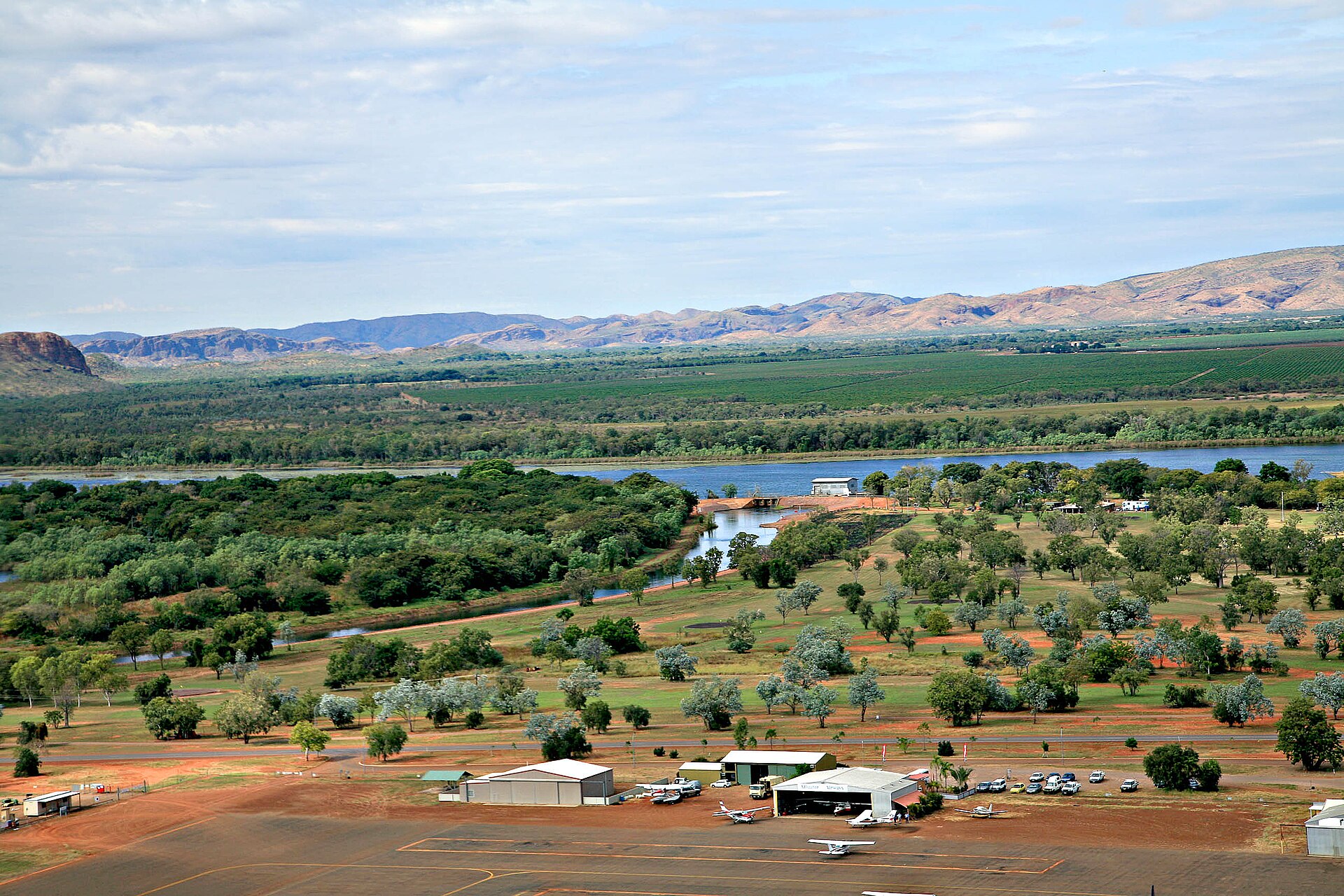
Purnululu National Park
Purnululu
Ancient striped sandstone domes rise from the Kimberley like something sculpted by a dream - and they took 20 million years to make.
On the lands of the Jaru, Gija (Kija) and Malngin peoples people.
schedule 3 min read / Updated Jun 2026
Purnululu National Park protects one of the world's most extraordinary geological landscapes - the Bungle Bungle Range, a labyrinth of beehive-shaped sandstone domes banded in ochre and charcoal across 240,000 hectares of remote East Kimberley. Inscribed on the UNESCO World Heritage List in 2003 under criteria for outstanding natural beauty and geological significance, the park was virtually unknown to non-Aboriginal Australians until a documentary film crew visited in 1983. Its Gija name, Purnululu, means "sandstone" in the language of the traditional custodians, a fitting tribute to the ancient rock that defines this landscape.
The Bungle Bungle Range owes its appearance to 360-million-year-old quartz sandstone that has been carved and sculpted over the past 20 million years into thousands of rounded towers, some rising 250 metres above the surrounding plains. The dramatic orange and dark grey banding is not paint or mineral staining in the conventional sense - the orange layers reflect iron and manganese oxides in drier, more porous rock, while the dark bands are colonised by moisture-retaining cyanobacteria that tint the surface near-black. The result is a natural striped pattern that shifts in hue and intensity as the sun moves across the sky, making every hour of the day feel like a new photograph.\n\nThe park's two main areas - the northern and southern ranges - are linked by a 53-kilometre four-wheel-drive-only track along Spring Creek, which takes between 90 minutes and three hours to navigate depending on conditions. In the north, Echidna Chasm is the park's most dramatic slot gorge, a narrow 200-metre-high cleft in the rock that catches shafts of direct sunlight for only a brief window around midday. In the south, Cathedral Gorge opens into a vast natural amphitheatre with remarkable acoustics, and the short trail to The Domes rewards visitors with an unobstructed view of the most densely packed beehive formations in the range. The challenging Piccaninny Gorge walk, a multi-day route through the largest gorge in the park, is reserved for experienced, well-prepared hikers.\n\nBiodiversity is astonishing for such an arid-looking landscape. More than 600 plant species have been recorded in the park, including 13 species of spinifex - more than anywhere else in Australia - and rare pockets of monsoon rainforest tucked into sheltered gorges. The park supports 149 bird species, 85 reptile species, 32 native mammal species and 12 frog species. Walkers are likely to spot rock wallabies picking their way along ledges, and the park is home to the endemic Lerista bungle bungle, a slender skink found nowhere else on earth. Dawn and dusk are the best times to watch honeyeaters, finches and the elusive white-quilled rock pigeon move through the spinifex.\n\nThe Jaru, Gija (Kija) and Malngin peoples are the traditional custodians of Purnululu, maintaining a continuous cultural connection to Country through story, song, ceremony and art. In 2022, the Federal Court of Australia formally recognised the Purnululu and Gajangana Jaru native title claimants, a landmark decision after nearly three decades of advocacy. Guided walks led by Aboriginal rangers and cultural tour operators offer visitors the opportunity to learn about ancestral connections to the landscape, rock art sites and the deep ecological knowledge embedded in the Country. Engaging with these perspectives transforms a visit from a sightseeing trip into a genuine encounter with one of the world's oldest living cultures.\n\nAccess to Purnululu is only possible during the dry season, typically from April or May through to late November, and strictly requires a high-clearance four-wheel-drive vehicle - there are no exceptions. Two campgrounds, Kurrajong in the north and Walardi in the south, provide basic facilities including toilets and fire rings. There is no fuel available in the park, and mobile phone coverage is limited to intermittent Optus signal near the visitor centre. For those without a 4WD, fly-in day tours and scenic helicopter flights from Kununurra offer a compelling aerial perspective over the domes, though nothing quite replaces walking among them at ground level as the light changes.
Scenic views
Lookouts near Purnululu National Park.
You may also like
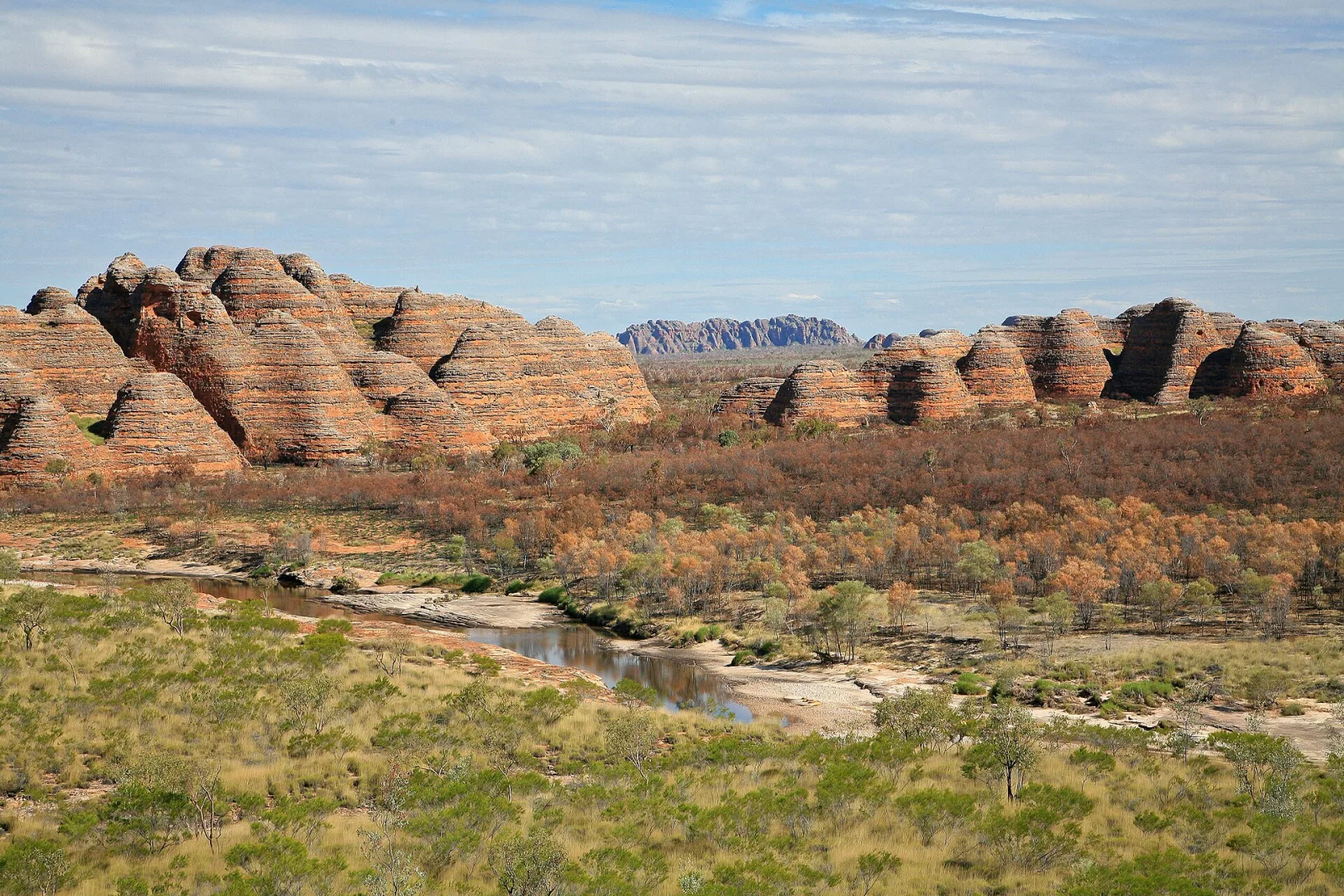
Bungle Bungle Range

Wave Rock
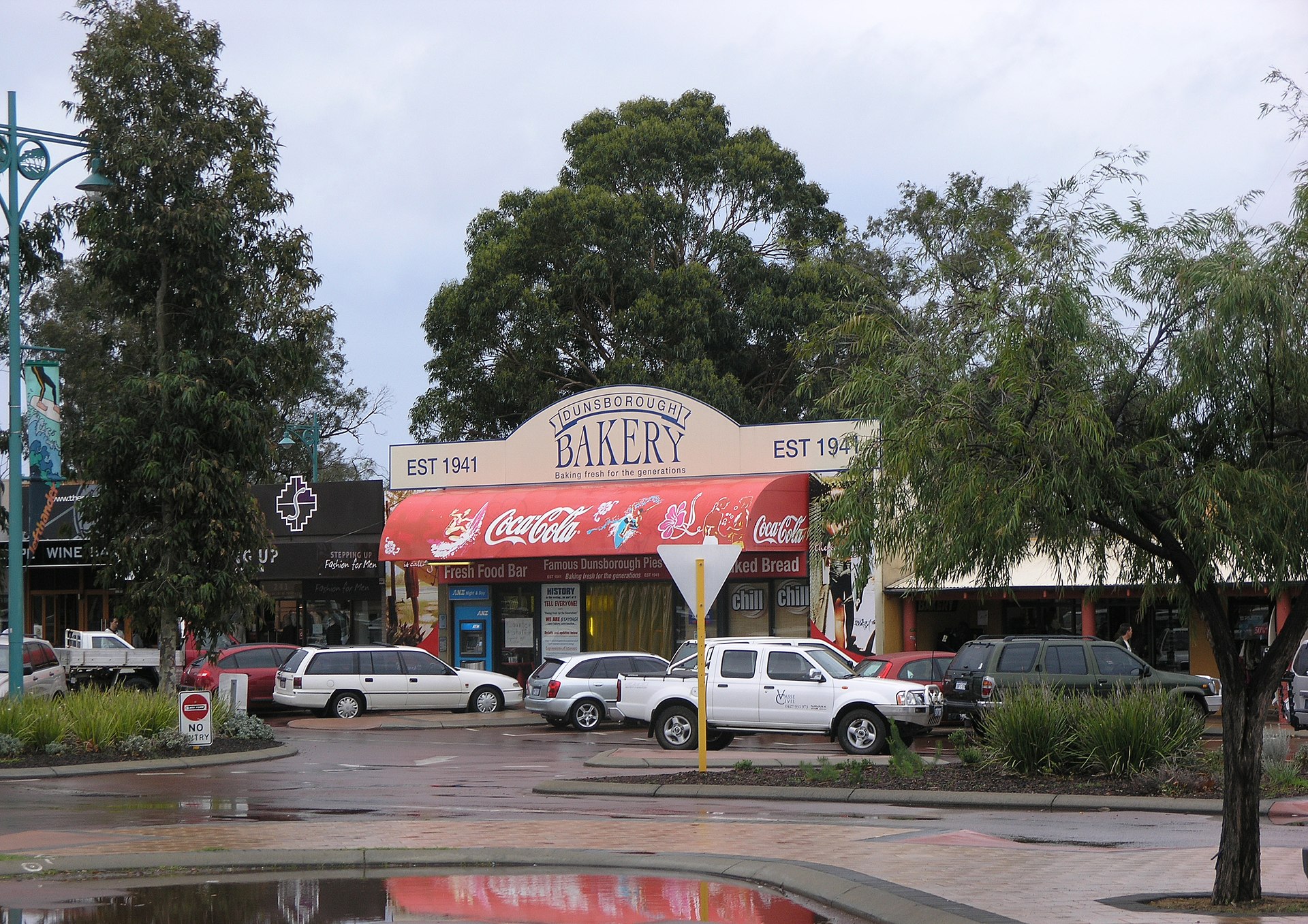
Dunsborough
Kalbarri

Yanchep
Jandakot

Augusta
Neerabup
Whiteman

Valley of the Giants
Dowerin
Broome
Attribution
Sources & credits
Content (1)
Images (3)
- 00 2091 Western Australia - Kununurra.jpg · W. Bulach · CC BY-SA 4.0
- 00 2117 Purnululu National Park (Australia).jpg · W. Bulach · CC BY-SA 4.0
- 00 3169 Purnululu National Park - Western Australia.jpg · W. Bulach · CC BY-SA 4.0

.jpg)

Images sourced from Wikimedia Commons under licenses that permit commercial use. If you are the rights holder and believe an attribution is incorrect, please contact us.