Walhalla
A gold mining village hidden in a deep Gippsland valley
schedule 2 min read / Updated Apr 2026
A remarkably preserved 19th century gold mining village in a narrow valley deep in the Gippsland ranges. Walhalla once had a population of 4,000 and its own cricket team; today fewer than 20 people live there, surrounded by tall eucalypt forest and a restored narrow-gauge railway.
Walhalla lies at the bottom of Stringers Creek Gorge in the heavily forested ranges of West Gippsland, about 180 kilometres east of Melbourne. Gold was found in the creek in 1862, and the Long Tunnel Gold Mine, which operated from 1865 to 1914, became one of the most productive deep-reef gold mines in the southern hemisphere. At its peak in the 1880s, Walhalla had a population of around 4,000, two hotels, a brewery, three churches, a Mechanics Institute and a bandstand.
The town is built along a single narrow road that follows the creek through the steep-sided valley. There was never room for a main street in the conventional sense - the buildings cling to the hillside on one side and drop away to the creek on the other. This geography has preserved the town's character, because there was simply no flat land on which to build modern development. When the gold ran out and the population left, the buildings were largely left standing.
Today Walhalla has fewer than 20 permanent residents but receives a steady flow of visitors drawn by the atmospheric setting and the restored heritage infrastructure. The Long Tunnel Extended Gold Mine offers underground tours that take visitors 250 metres into the original mine workings. The guides explain the geology of the reef and the conditions the miners worked in, which were genuinely harsh - the deeper tunnels were hot, wet and prone to rockfall.
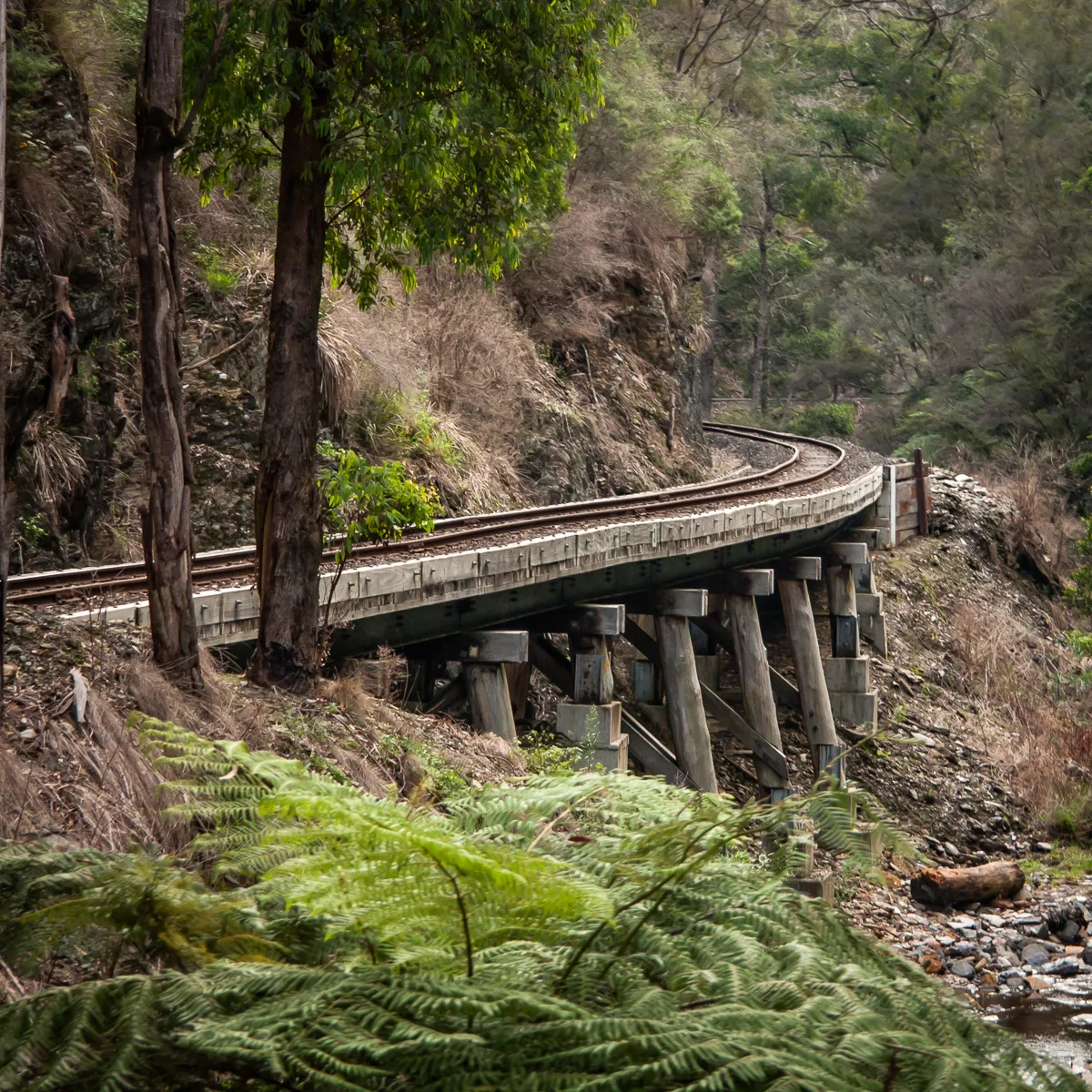
The Walhalla Goldfields Railway is a restored narrow-gauge line that runs 4 kilometres from the Thomson River station to Walhalla township through the forested gorge. The railway uses a replica of the original rolling stock and crosses several restored timber trestle bridges. It operates on weekends and public holidays and is one of the most scenic heritage rail experiences in Victoria.
The town's cemetery, perched on the steep hillside above the valley, tells its own story. Many of the graves belong to young miners and their families, and the headstones reflect the diversity of the gold rush population - English, Irish, Chinese, Italian and Scandinavian names side by side. The cemetery walk is short but affecting, especially in winter when mist sits in the valley below.
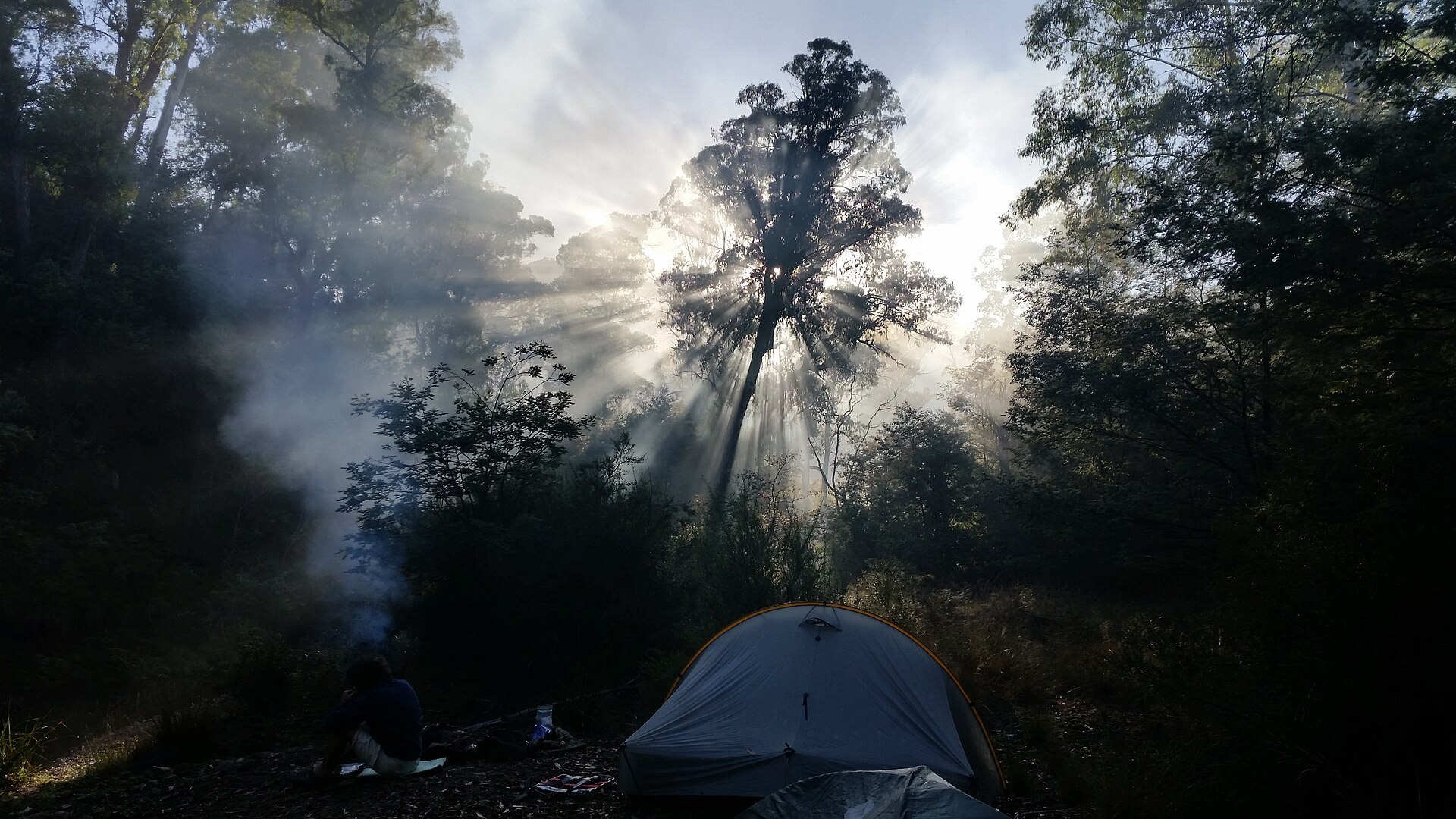
Walhalla is at its most atmospheric in autumn and winter when the forest is misty and the valley fills with fog. The annual Walhalla Vinter Ljusfest (Winter Light Festival) in July fills the town with lanterns and fire installations.
Scenic views
Lookouts near Walhalla.
You may also like





Attribution
Sources & credits
Content (1)
Images (3)
- Curved - panoramio (5).jpg · Stephen Edmonds · CC BY-SA 3.0
- Cutting - panoramio (1).jpg · Stephen Edmonds · CC BY-SA 3.0
- Red cap - panoramio.jpg · Stephen Edmonds · CC BY-SA 3.0
.jpg)
.jpg)

Images sourced from Wikimedia Commons under licenses that permit commercial use. If you are the rights holder and believe an attribution is incorrect, please contact us.