Guide · 5 min read
When to Visit the Great Barrier Reef: Month-by-Month Guide for Snorkelling, Diving and Whale Watching
Visibility, stinger season, whale migration and dry-versus-wet trade-offs explained for every month of the year
Bridget Halvorsen · June 2026
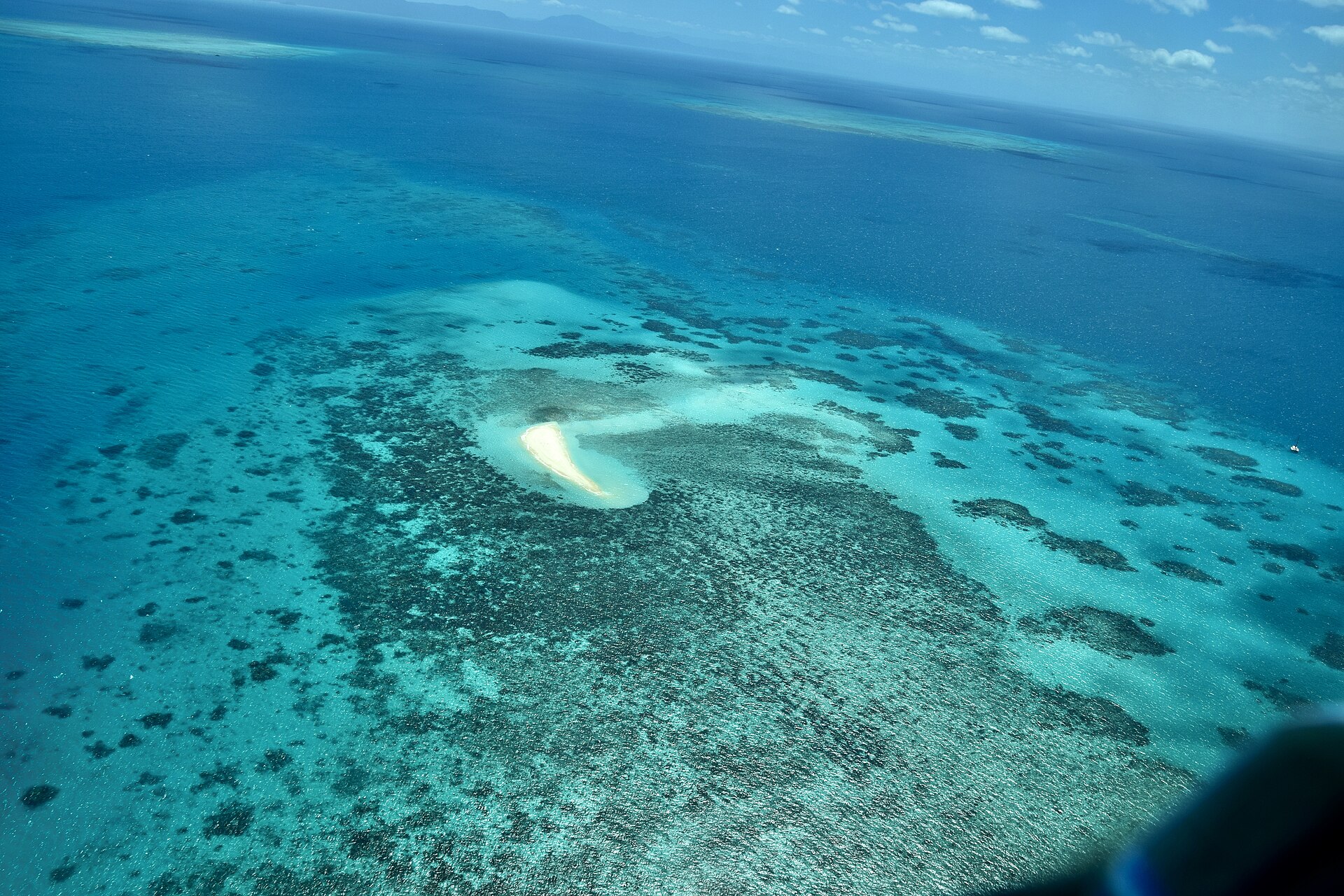
Plan the perfect reef trip with our month-by-month breakdown of water visibility, stinger season (November to May), humpback and dwarf minke whale windows (June to September), and the real trade-offs between Queensland's dry and wet seasons.
The short answer: June to October is the sweet spot
If you only have one trip in you, aim for somewhere between late May and early October. The dry season brings clear blue skies, low humidity, calm seas and underwater visibility that regularly reaches 20 to 30 metres - ideal conditions whether you are snorkelling off a day-trip boat from Cairns, joining a liveaboard from Port Douglas or sailing the Whitsundays. This period also coincides with whale season, which is its own compelling reason to book.
That said, every season at the reef has its merits, and the right time to visit really depends on what you want to see.
Dry season (May to October): best visibility and whale encounters
Water temperatures sit between 22°C and 26°C during the dry season - comfortable for extended snorkels without a full wetsuit, though many operators provide 3mm suits from June onwards. Visibility is at its peak, trade winds are consistent and flat-calm "glass-out" days become common by September.
Whale highlights
- June and July are the prime months to swim with dwarf minke whales along the Ribbon Reefs north of Port Douglas. Only nine operators hold Great Barrier Reef Marine Park Authority permits for in-water encounters; liveaboards run by Spirit of Freedom, Mike Ball Dive Expeditions and Divers Den report encounter rates as high as 98 percent during these two months. Most sightings concentrate around Ribbon Reef No. 10.
- July to September sees humpback whales migrating up the Queensland coast through the outer reef. Cairns-based day operators run dedicated tours, and humpbacks are regularly spotted on standard reef day trips during this window. Albino humpback Migaloo has been a regular visitor in August.
Other dry-season marine life: manta rays appear in the Coral Sea from April through October; September brings fish aggregations and increased turtle feeding; July can be windy on exposed sites, so motion-sickness tablets are worth packing.
Wet season (November to April): warmer water, fewer crowds, stinger risk
Water temperatures climb to 27-29°C and the reef takes on a different character - soft corals and anemones bloom in full colour, juvenile fish fill the water column, and the tropical landscape behind Cairns turns extraordinary shades of green.
The trade-off is stinger season. Box jellyfish and Irukandji jellyfish are present in Queensland coastal and reef waters from November through to May. All reputable reef tour operators provide full-length lycra stinger suits at no extra charge, and their use is strongly encouraged. Visibility can dip after heavy rainfall, though the outer reef sits 60 to 70 kilometres offshore and is far less affected by run-off than inshore areas or fringing reef.
Wet-season highlights worth planning around:
- Coral spawning - one of the natural world's great spectacles. Inshore reefs typically spawn on nights following the October full moon; outer reefs follow in November or December. Timing is governed by water temperature and lunar cycle, so check with operators closer to your travel date.
- Turtle nesting and hatching - green and loggerhead turtles nest from October through February, with hatchlings emerging from January through March on islands including Heron Island and Lady Elliot Island.
- December to February is peak wet-season and brings the highest rainfall and occasional tropical cyclone risk, particularly in Far North Queensland. Travel insurance is non-negotiable during this period.
Month-by-month quick reference
| Month | Water temp | Visibility | Stingers | Whales |
|---|---|---|---|---|
| January | 29°C | Moderate | Yes | No |
| February | 28-29°C | Good | Yes | No |
| March | 27°C | Good | Yes | No |
| April | 26°C | Clear | Easing | No |
| May | 26°C | Good | Easing | Minke arriving |
| June | 24°C | Excellent | No | Minke peak |
| July | 22-23°C | Excellent | No | Minke + Humpback |
| August | 22-23°C | Excellent | No | Humpback peak |
| September | 23°C | Excellent | No | Humpback |
| October | 26°C | Good | No | Departing |
| November | 26-27°C | Good | Yes | No |
| December | 27°C | Good | Yes | No |
Cairns versus Port Douglas versus the Whitsundays
Cairns is the main hub for day trips and liveaboards to the outer Coral Sea reefs, Osprey Reef and Norman Reef. The airport handles direct international flights, making it the easiest entry point.
Port Douglas accesses the Agincourt Reef ribbon system and Opal Reef via a shorter 60-minute boat ride. Minke whale encounters are particularly accessible from here in June and July.
Whitsundays offers a different experience - sailing between 74 islands, anchoring at fringing reefs and snorkelling from charter boats or day-trip vessels. Whale season (June to September) coincides with the Whitsundays' most popular sailing window. The Great Barrier Reef Marine Park Authority manages visitor numbers at high-use sites including Whitehaven Beach and Hill Inlet, so book reef-island permissions ahead during peak months.
Further south, Lady Elliot Island and Lady Musgrave Island are accessible year-round and are excellent for manta ray encounters.
Practical tips before you book
- Stinger suits are provided by operators during stinger season; ask about suit quality before booking budget tours.
- Liveaboards unlock the outer and remote reefs regardless of season - Spirit of Freedom, Mike Ball and Calypso Reef Charters all hold GBRMPA permissions for Ribbon Reef and Coral Sea sites.
- Reef Environmental Impact Fees apply to most commercial reef trips; the fee is included in most operator pricing but worth confirming.
- Cyclone insurance is essential between December and April, particularly if you have booked liveaboard packages in advance.
- Peak season (July to September) books out months in advance for whale-focused liveaboards - plan accordingly.
Sources