Guide · 6 min read
Where to See Wildflowers in Western Australia: Month-by-Month Drive Guide
From the Pilbara in June to the South West in November, here is exactly when and where to chase WA's legendary wildflower season.
Claire Rafferty · June 2026
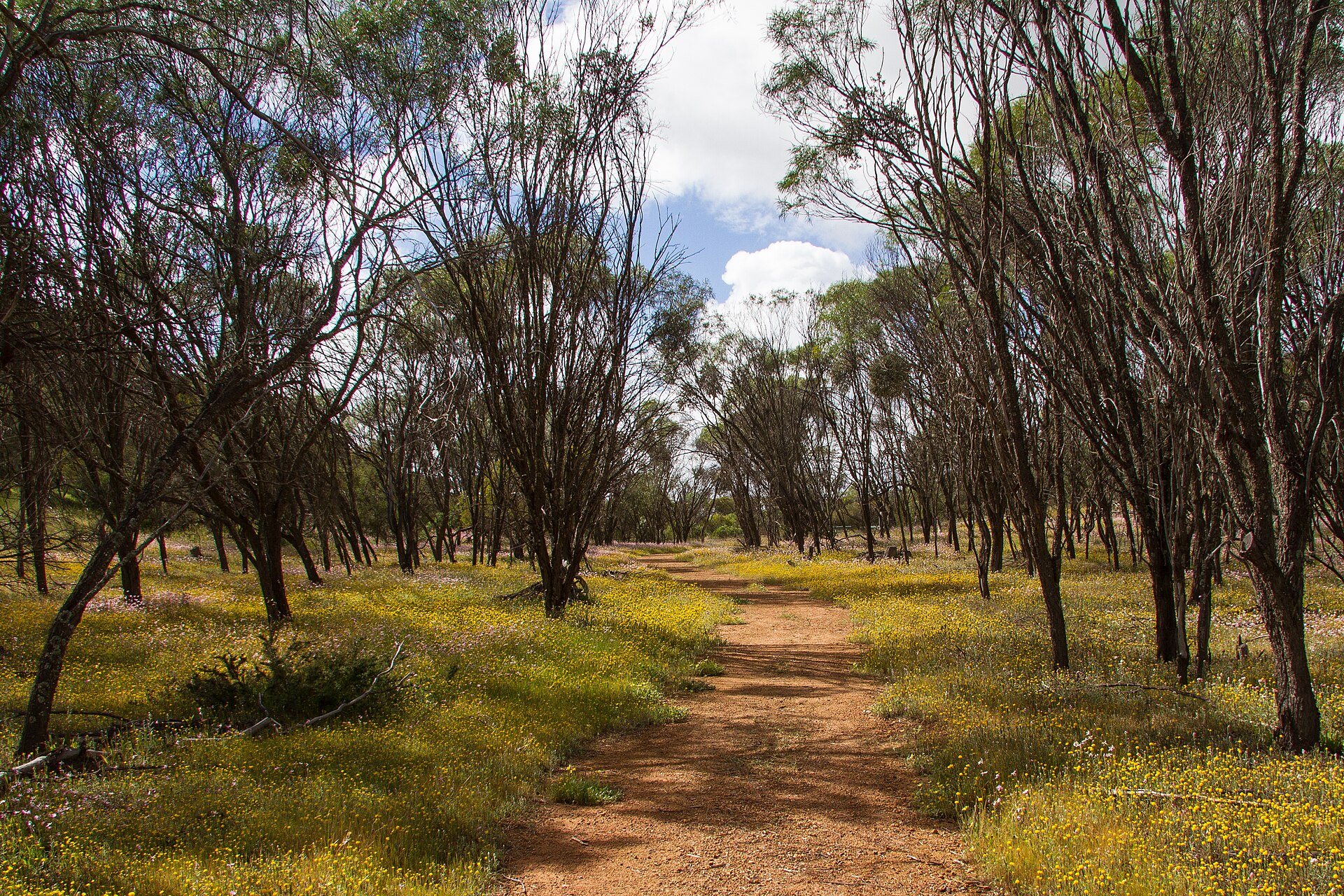
Western Australia's wildflower season runs from June to November, sweeping south from the Pilbara through the Wildflower Way, Coalseam, and Lesueur. This guide maps the blooms month by month so you never miss peak colour.
Why Western Australia's Wildflower Season Is Unlike Anything Else
Western Australia is home to more than 12,000 wildflower species, with over 60 per cent found nowhere else on Earth. Each year, starting in June in the far north and rolling steadily south into November, the state transforms into one of the world's great botanical spectacles. If you are searching for when wildflower season is in WA, the honest answer is: it depends entirely on where you plan to drive.
This guide covers the season month by month, region by region, with distances, entry costs, and practical tips so you can plan around your travel window.
June - The Pilbara Fires First
WA's wildflower season begins not in the wheatbelt but far to the north, in the red-rock country of the Pilbara. From June onward, Sturt's desert pea, mulla mulla, the tall Ashburton pea, and roughly 65 Acacia species push through the ironstone plains.
Karijini National Park and Millstream-Chichester National Park are the two headline stops. The backroads from Marble Bar to Cossack and down toward Onslow reward patient drivers with stretches of colour against gorge walls. Blooms in the Pilbara are visible within a 45-kilometre radius of Dampier, and the season here runs through to September.
Practical notes: Karijini sits roughly 1,400 km from Perth - this is an outback road trip requiring self-sufficiency. Carry extra water and fuel. Rainfall is the main variable; a dry year will thin the display considerably.
July - Kalbarri and the Coral Coast Open Up
By mid-July the season starts migrating south into Kalbarri National Park, about 590 km north of Perth. The park holds more than 1,100 native wildflower species, including the endemic Kalbarri Spider Orchid, and its coastal cliffs and inland gorges offer two very different flower-viewing landscapes. The inland river gorges require a park entry fee (around $15 per vehicle); the coastal cliff areas are free to visit.
The Kalbarri Visitor Centre on the main street is open daily 9 am-5 pm and sells a purpose-made wildflower map for $2. Staff update condition reports weekly during the season, making it the most reliable way to time your visit.
Shark Bay World Heritage Area also begins its extended bloom in July. With more than 700 flowering plant species and a season stretching from May all the way to October, it holds the longest wildflower window in the state.
August - Peak Season on the Wildflower Way
August is the month most Australians picture when they think of WA wildflowers. The classic drive is the Wildflower Way - a 309-kilometre signed route running from Dalwallinu north through Perenjori, Morawa, and Mullewa to finish in coastal Geraldton.
Perth to Dalwallinu is 251 km, roughly three hours up the Great Northern Highway through the Swan Valley and New Norcia. From Dalwallinu, 21 interpretive sites guide you through the route, each explaining the ecology, geology, and Indigenous cultural history of the land. Expect carpets of pink and white everlastings, wreath flowers, golden wattle, purple dampiera, native foxglove, and dozens of orchid species.
The detour to Coalseam Conservation Park, located between Mingenew and Mullewa (about 4.5 hours from Perth), is essential for everlasting-seekers. The park is best known for its pink, gold, cream, and white everlasting carpets that spread across the valley floor. Entry is free. Camping at the Miners Campground and the overflow Breakaway Campground above the Irwin River must be booked online in advance - a three-night maximum stay applies from late July to October, and sites fill fast on August weekends. Contact the Geraldton Parks and Wildlife office on (08) 9964 0901 for conditions.
Tip: Everlastings open facing the sun, so mid-morning to early afternoon gives the richest colour. Overcast days will show closed heads.
August-September - Lesueur National Park's 900-Species Display
Lesueur National Park, 2.75 hours north of Perth near Jurien Bay, is arguably WA's most species-dense wildflower park. Its 27,000 hectares contain more than 900 plant species - roughly 10 per cent of all known WA flora. Orchids dominate the trails in August and September: pink enamel, purple enamel, cowslip, blue lady, white spider, and donkey orchids are all recorded here, alongside kangaroo paw, grevillea, hibbertia, and a generous variety of acacias.
A one-way 18.5-kilometre sealed scenic loop drive is the main access route. Walking trails range from the accessible 50-metre wheelchair-friendly boardwalk at the entry station to the 26-kilometre Yonga overnight loop (booking required). The 3.5-kilometre Lesueur Trail climbs to the park summit with Indian Ocean views.
Entry fee: $17 per vehicle (standard, up to 12 occupants). No dogs permitted. Boot-cleaning stations are installed on walking trails to prevent the spread of phytophthora dieback.
September-October - Perth Region and Nambung Peak
September is peak wildflower month for the greater Perth region. Nambung National Park, home to the Pinnacles, sits about two hours north of the city and adds coastal heathland wattles, banksia, and clematis to the Pinnacles' eerie limestone backdrop.
Further afield, Coalseam's everlastings begin to seed by early September, but pom poms and orchids continue well into the month. In the Wildflower Way towns, visitor centre condition reports are the most reliable guide - call ahead rather than relying on last year's photos.
October-November - The South West Signs Off
The wildflower season closes in the South West, where the Margaret River region and Esperance coasts reach their peak in October and November. The South West alone holds more than 2,500 wildflower species, including 150 native orchid varieties. For travellers who have missed the northern season, this is a practical alternative with established tourism infrastructure and no outback logistics.
Practical Tips for Any WA Wildflower Drive
- Check conditions first. Displays vary enormously with winter rainfall. Call the nearest visitor centre before committing to a long drive.
- Picking wildflowers is illegal and carries fines up to $2,000.
- Stick to marked tracks to avoid disturbing fragile heathland soils and spreading phytophthora dieback.
- Book accommodation early. The Wildflower Way towns are small and fill on August weekends. Geraldton is the best base for exploring both Coalseam and Lesueur.
- Best viewing light for photography is morning with the sun low and behind you, so flowers face toward you rather than away.
The Tourism WA wildflower hotline and the WA Parks online booking system (exploreparks.dbca.wa.gov.au) are the two most useful tools for planning the trip in real time.
Sources