Guide · 7 min read
South Australia Fleurieu Peninsula Road Trip: The Ultimate Self-Drive Guide
McLaren Vale cellar doors, Goolwa's Murray Mouth and Victor Harbor whales - all in one loop from Adelaide
Siobhan Hartley · June 2026
The Fleurieu Peninsula packs world-class wine, wild surf coastline, and rare whale encounters into a self-drive loop just 40 minutes south of Adelaide. This guide covers the full circuit with 2-day and 3-day itineraries, practical stops, and seasonal tips.
The Fleurieu Peninsula curves south of Adelaide like a crooked arm reaching for the Southern Ocean, and it rewards every traveller who follows it. Within a single loop of roughly 250 km you pass through one of Australia's most celebrated wine regions, stand at the place where the mighty Murray River meets the sea, watch endangered Southern Right Whales breach in Encounter Bay, and pick up just-baked bread from a Saturday morning market that has been running since 2001. Whether you have a long weekend or a spare day, this self-drive guide shows you exactly how to do it.
Why the Fleurieu Peninsula Works as a Road Trip
The peninsula's compact geography is the key selling point. McLaren Vale sits about 38 km south of the Adelaide city centre - roughly a 40-minute drive down Main South Road (B23). From there the loop swings south through Willunga, across to the coast at Port Elliot, east along the Encounter Coast to Goolwa and the Murray Mouth, then back through Victor Harbor before returning to Adelaide. The roads are sealed, the distances are manageable, and nearly every stop is within sight or sound of the sea.
Day 1: McLaren Vale and the Willunga Farmers Market
Start on a Saturday and your first stop writes itself. Willunga Farmers Market operates every Saturday from 8 am to 12 noon at Willunga High School on Main Road. More than 80 producers sell direct: stone fruit, heritage vegetables, sheep's milk cheese, sourdough loaves, and freshly shucked oysters. Arrive by 9 am for the best selection and a coffee before the crowds build.
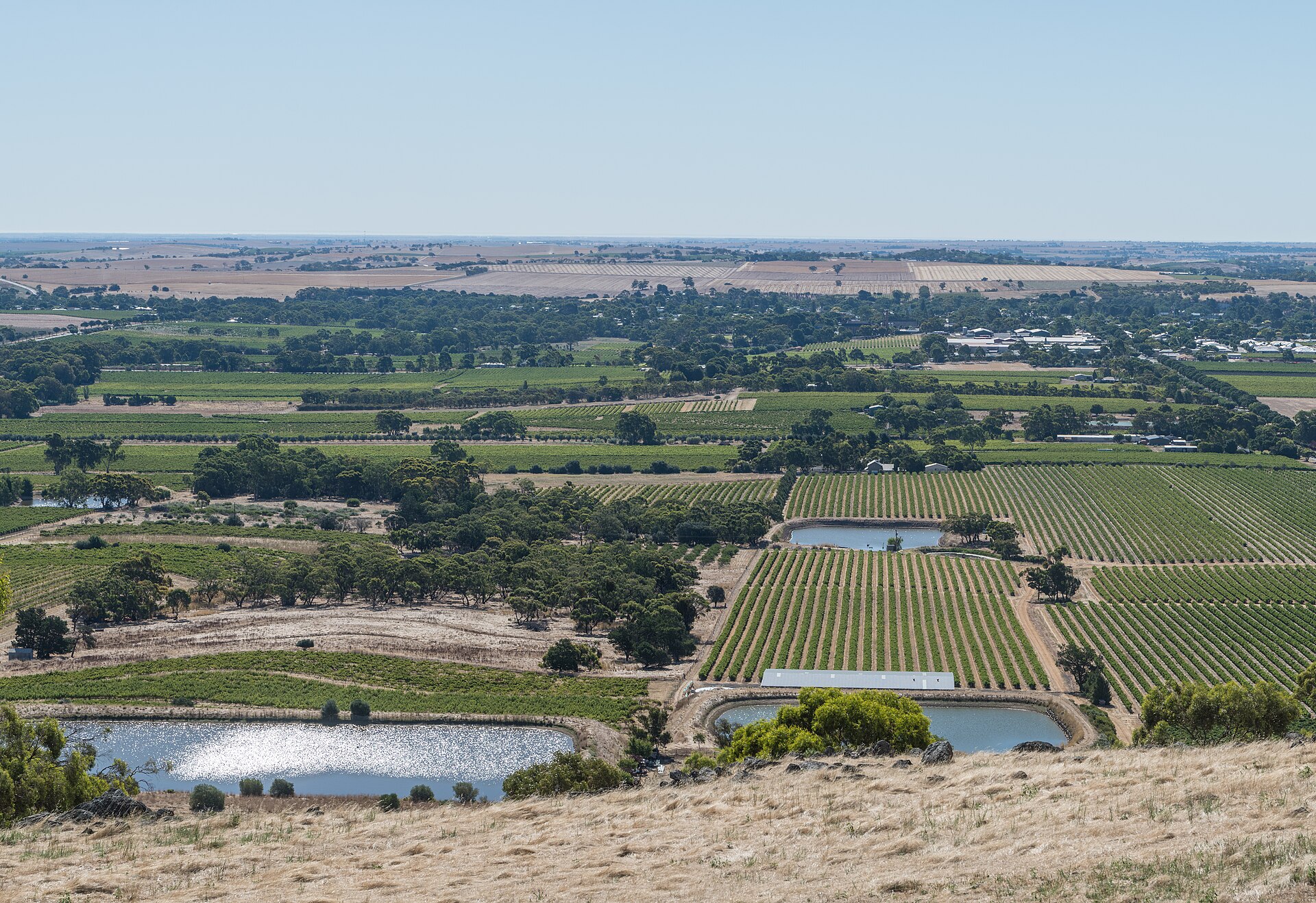
From Willunga it is a five-minute drive north into McLaren Vale, where more than 80 cellar doors are spread across a compact grid of back roads. The region is best known for Shiraz - it accounts for around 60 per cent of all fruit crushed here - but Grenache and Cabernet Sauvignon also perform well in the Mediterranean climate. Most cellar doors open from around 11 am to 5 pm on weekdays and weekends, though hours vary between operators; always check directly before visiting.
A few names worth seeking out: Coriole Vineyards on Chaffeys Road is one of the peninsula's oldest estates and makes some of the region's most compelling reds. Alpha Box and Dice, open Friday to Monday, runs a theatrical tasting experience that suits those who find traditional cellar door formats stuffy. McLaren Vale also has the highest density of certified organic and biodynamic producers in Australia, so ask at each cellar door about their farming approach if sustainability matters to your purchasing decisions.
Allow yourself most of the afternoon here. A walk along the McLaren Vale and Willunga Rail Trail - a 7.5 km shared path through vineyards - is a good way to clear your palate between tastings. Overnight in McLaren Vale township or push south to Port Elliot.
Day 2: The Encounter Coast - Port Elliot to Goolwa
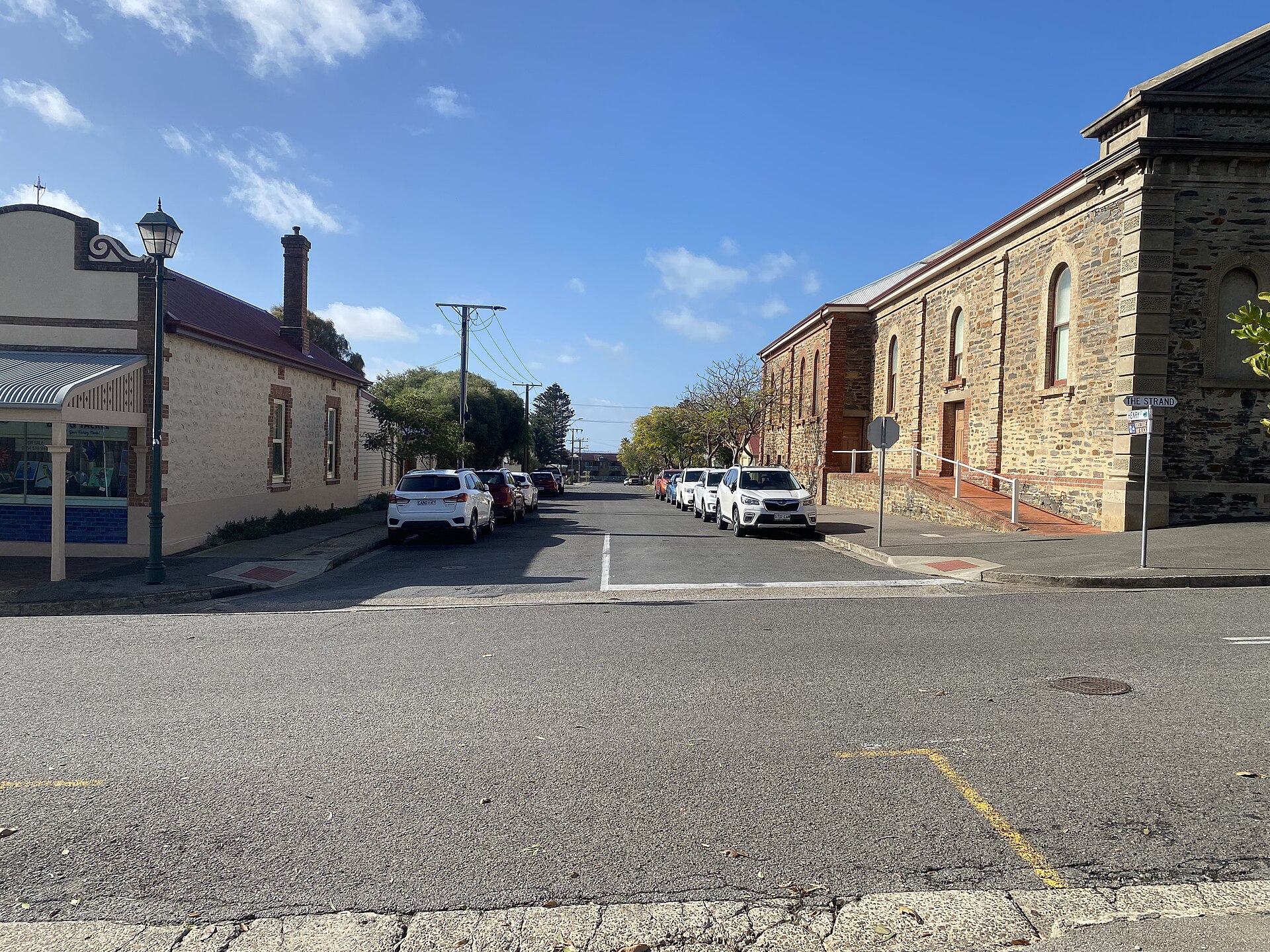
Port Elliot is the kind of seaside town that seems to exist solely to remind you that life should be simpler. Horseshoe Bay is the centrepiece: a crescent of sand sheltered enough for swimmers but positioned so the Southern Ocean swell still runs through. For surfers, Knights Beach just around the headland picks up more consistent waves, and Boomers Beach further south is well regarded for larger swells. The Port Elliot Bakery on The Strand is a local institution; the queue out the door most mornings is confirmation enough.
From the Port Elliot cliffs on a clear winter morning between May and October, keep your eyes on the water. The Encounter Coast sits within one of only a handful of locations worldwide where endangered Southern Right Whales can be reliably observed from land. They migrate to the sheltered waters of Encounter Bay to breed and raise calves before returning to Antarctica. Peak sightings run from July through September, with August often producing the most activity. The Bluff headland at Victor Harbor and Frenchman's Lookout at Port Elliot are both excellent land-based vantage points.
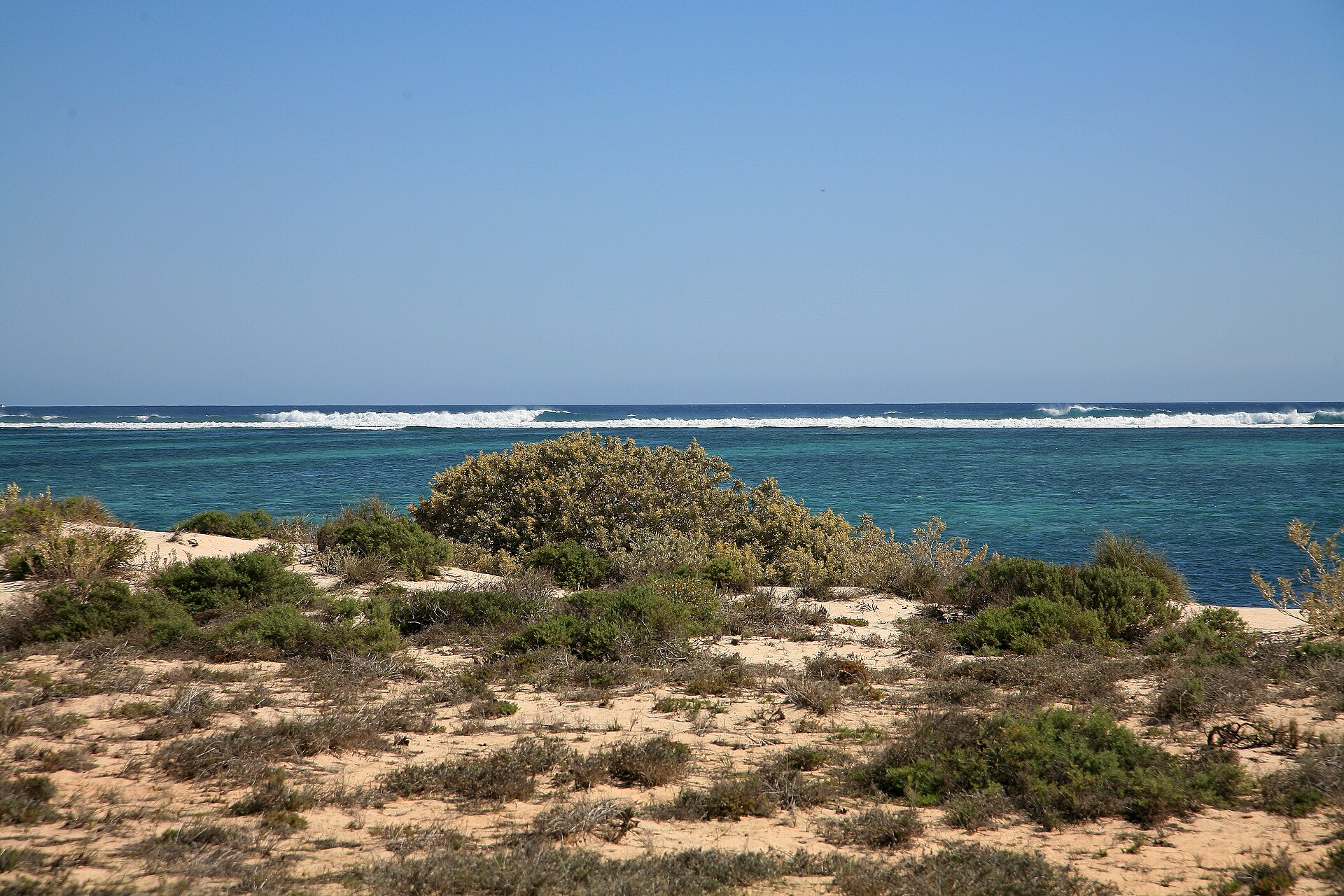
Continue 20 minutes east along the Encounter Coast Highway to Goolwa, the old riverboat town at the mouth of the Murray River. The most direct way to understand why this place matters is to board the Spirit of the Coorong Murray Mouth Cruise. Departures run on Mondays, Thursdays and Saturdays at 10:30 am; the 90-minute cruise passes through the Goolwa Barrage locks and out toward the Murray Mouth where the river finally meets the Southern Ocean after 2,508 km of travel. Adult tickets cost $62 and the boat runs year-round. In winter, long-nosed fur seals haul out on the Barrage infrastructure - a legitimate wildlife highlight on any South Australian itinerary.
If you are not joining a cruise, walk along the Goolwa Wharf precinct where the historic PS Oscar W paddle steamer is moored, then follow the riverside path south to the Barrage viewing platforms for a free look at the lock system. The Coorong National Park stretches away to the east - a 130 km lagoon system that feels entirely separate from the wine-and-surf atmosphere of the western peninsula.
Day 3 (Optional Extension): Victor Harbor and Cape Jervis
Victor Harbor adds a natural anchor to the southern end of the loop. Granite Island sits just offshore, connected to the mainland by a 630-metre causeway where a horse-drawn tram has been running since 1894. The island itself is home to a colony of Little Penguins that return each evening at dusk - guided tours run nightly.
The South Australian Whale Centre on Railway Terrace provides interactive exhibits, a live sighting log, and downloadable maps for self-guided whale watching along the entire Encounter Coast. From the centre it is a short walk to the Nakurami Kondoli lookout above Encounter Bay, one of the best land-based whale-watching points in Australia. For closer encounters, The Big Duck Boat Tours departs from the Granite Island causeway with marine naturalist commentary.
If you want to end the loop with a dramatic view, drive 45 minutes south-west from Victor Harbor along Main South Road to Cape Jervis. This is the southernmost tip of the Fleurieu Peninsula and the departure point for SeaLink ferries to Kangaroo Island - a 45-minute crossing that operates daily (excluding Christmas Day) to Penneshaw. You don't have to board the ferry to make the drive worthwhile. The clifftop views across Backstairs Passage toward Kangaroo Island are sharp and wild on a clear day, and Deep Creek Conservation Park, just minutes from the cape, contains some of the most rugged coastal walking in South Australia.
Practical Planning
Getting there: The Fleurieu Peninsula begins about 38 km south of Adelaide's CBD via the Southern Expressway and Main South Road (B23). No tolls apply.
Best time to visit: Year-round, but May to October adds whale season to the itinerary. Willunga Farmers Market runs every Saturday regardless of season.
Accommodation: McLaren Vale, Victor Harbor, and Port Elliot all have a range of accommodation from guesthouses to self-contained cottages. Book ahead in winter whale season and school holidays.
Cockle Train: A heritage steam train connects Goolwa, Port Elliot and Victor Harbor on Wednesdays, Saturdays, Sundays and daily during South Australian school holidays - a scenic alternative to driving that stretch of coast.
Designated driver: The cellar door circuit in McLaren Vale makes a designated driver or a pre-booked tour sensible. Several Adelaide operators run day tours to the region if you prefer not to drive.
Sources