
Kangaroo Island
Karta Pintingga
Australia's Galapagos
On the lands of the Ramindjeri people.
schedule 3 min read / Updated Jun 2026
Australia's third-largest island, 155 kilometres long and separated from the mainland by 14 kilometres of Backstairs Passage. Kangaroo Island is effectively a self-contained wildlife sanctuary and one of the best places in the country to see free-roaming kangaroos, koalas, sea lions and echidnas in a single day.
Kangaroo Island sits off the coast of South Australia, 113 kilometres south-west of Adelaide as the crow flies. At 4,405 square kilometres it is the third-largest island in Australia, behind Tasmania and Melville Island, and is around seven times the size of Singapore. Roughly a third of the island is national park or conservation reserve, and because of its isolation from mainland Australia it has become a self-contained sanctuary where native wildlife is unusually abundant and easy to see.
The traditional owners of the island are the Ramindjeri and Kaurna peoples, who knew the island as Karta Pintingga, meaning 'island of the dead'. Archaeological evidence shows that Aboriginal people lived on the island when it was still connected to the mainland by a land bridge during the last ice age, but abandoned it after sea levels rose around 10,000 years ago and isolated it from the mainland. The island was named Kangaroo Island by Matthew Flinders in 1802 when he and his crew, running short of food, landed and killed 31 kangaroos in a single day.
The island's wildlife is its defining attraction. It has an estimated population of around 60,000 kangaroos (its own subspecies of the western grey kangaroo), significant numbers of Tammar wallabies, echidnas, platypus in some creeks, and one of the largest populations of koalas in the country (despite koalas being introduced from Victoria in the 1920s and becoming a significant management problem). Because there are no introduced predators like foxes, many species that are rare on the mainland are common here.
Seal Bay Conservation Park on the south coast is the standout wildlife experience. A boardwalk leads down to a beach where a resident colony of around 600 Australian sea lions comes ashore to rest between fishing trips. Guided walks let visitors walk among the sleeping sea lions at a distance of around 10 metres, which is the only place in the country where you can do this. Admirals Arch and Remarkable Rocks, both within Flinders Chase National Park at the western end of the island, are two of the most photographed geological features in South Australia and are home to a large fur seal colony.
The island was devastated by bushfires in the 2019 to 2020 black summer, which burned around 46 percent of the island and killed millions of animals. Flinders Chase National Park and most of the western third of the island were hit hardest. Recovery has been remarkable, with vegetation regenerating strongly and many populations returning to near pre-fire levels, but the visible evidence of the fire is still obvious in places and visitors are asked to stick to marked tracks to let the recovery continue.
The island is also known for its food and wine scene, which has developed steadily since the 1980s. Boutique producers make honey from the world's last pure stand of Ligurian bees (which were introduced in 1884 and have been protected from crossbreeding by the island's isolation), wine from small cool-climate vineyards, single-origin olive oil, distilled gin and artisanal sheep's milk cheese. The food trail winds across the island and takes at least two full days.
Most visitors reach Kangaroo Island by the SeaLink ferry from Cape Jervis (a 45 minute drive from Adelaide, then a 45 minute ferry crossing to Penneshaw). Faster options are direct flights from Adelaide to Kingscote Airport (around 30 minutes). A two-night stay is the minimum to see the main sites without rushing, though three or four nights allows for a more relaxed experience and lets you cover the wildlife, food and coastal walks across the whole island. The best months are October to May, when days are warm, the wildflowers are out, and the ocean is at its most accessible.
Tourist locations
Places to visit in Kangaroo Island.
7 locations to explore
Clifford's Honey Farm
Pure Ligurian honey, family made
Free entry; guided tour $10 per person
Full guide arrow_forwardFlinders Chase National Park
Wild landscapes at the edge
$13 adult, $7.50 child (4-15)
Full guide arrow_forwardKangaroo Island Spirits
Australia's original island gin
Free entry; tastings included in experience bookings
Full guide arrow_forwardKangaroo Island Wildlife Park
Native animals up close
$35 adult, $20 child (3-16)
Full guide arrow_forwardLittle Sahara Adventure Centre
Sand dunes, boards, and buggies
Free to enter dunes; sandboard hire from $37
Full guide arrow_forwardRaptor Domain
Free-flight birds of prey
$30 adult, $20 child (birds of prey show)
Full guide arrow_forwardSeal Bay Conservation Park
Walk among wild sea lions
$20 adult (self-guided boardwalk); $42 adult (guided beach tour)
Full guide arrow_forwardGallery
Kangaroo Island in pictures.
9 images licensed from Wikimedia Commons
All images are sourced from Wikimedia Commons under Creative Commons licences. Individual photographers are credited on the source pages.
Things to do
Recommended Experiences
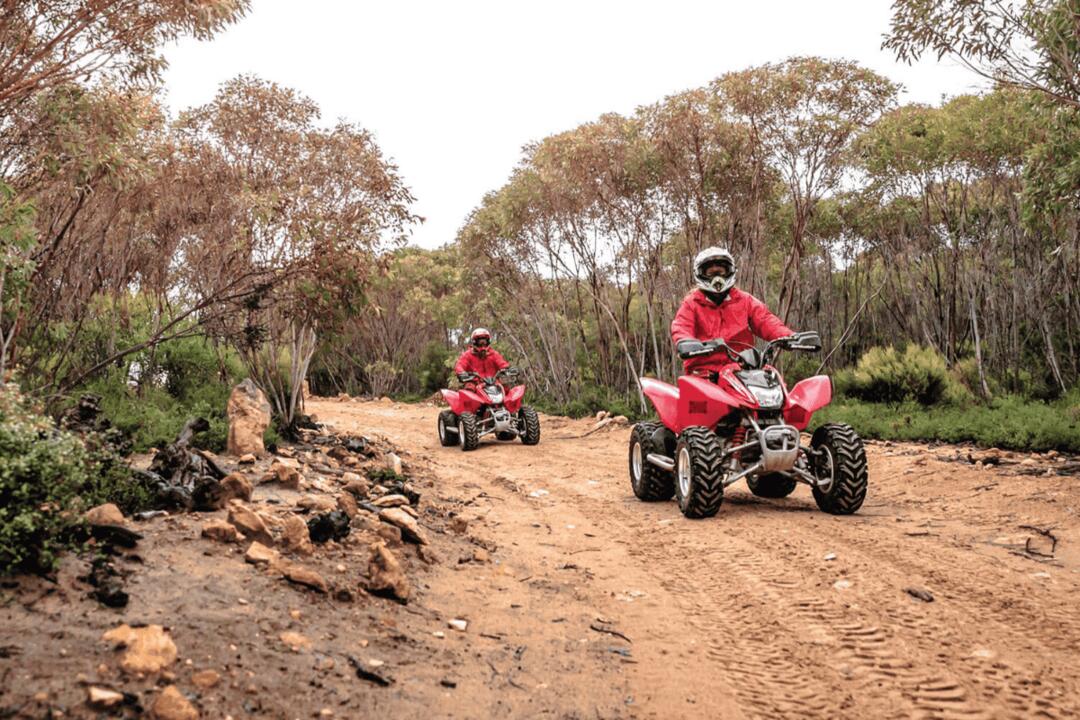
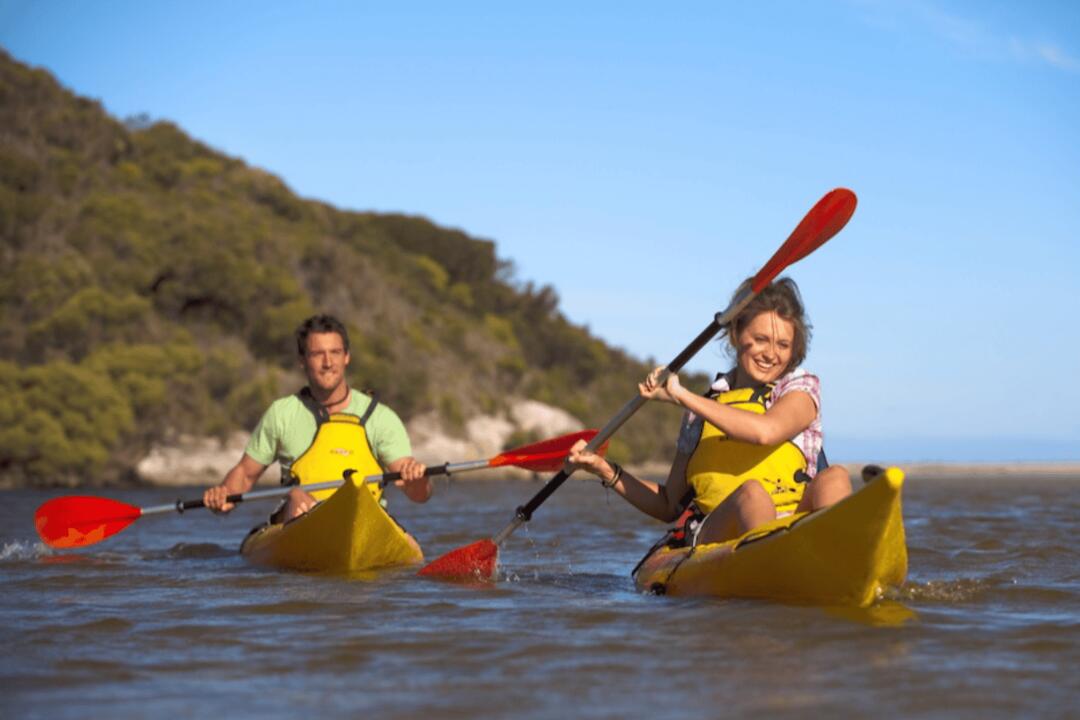
3 bookable experiences at or near Kangaroo Island.

Featured in
Shortlists that include Kangaroo Island.


Scenic views
Lookouts near Kangaroo Island.
You may also like

Seal Bay
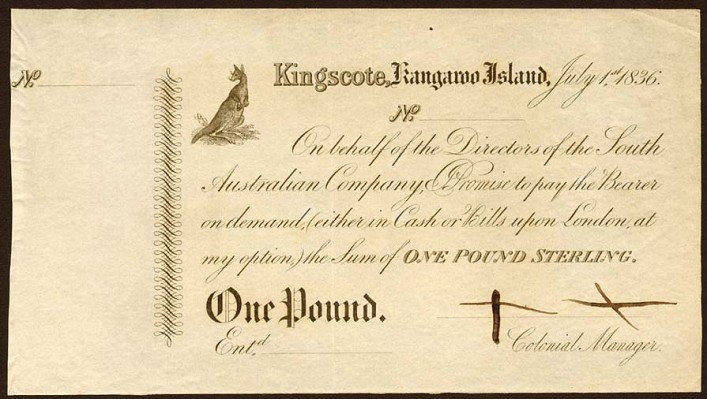
Kingscote

Remarkable Rocks
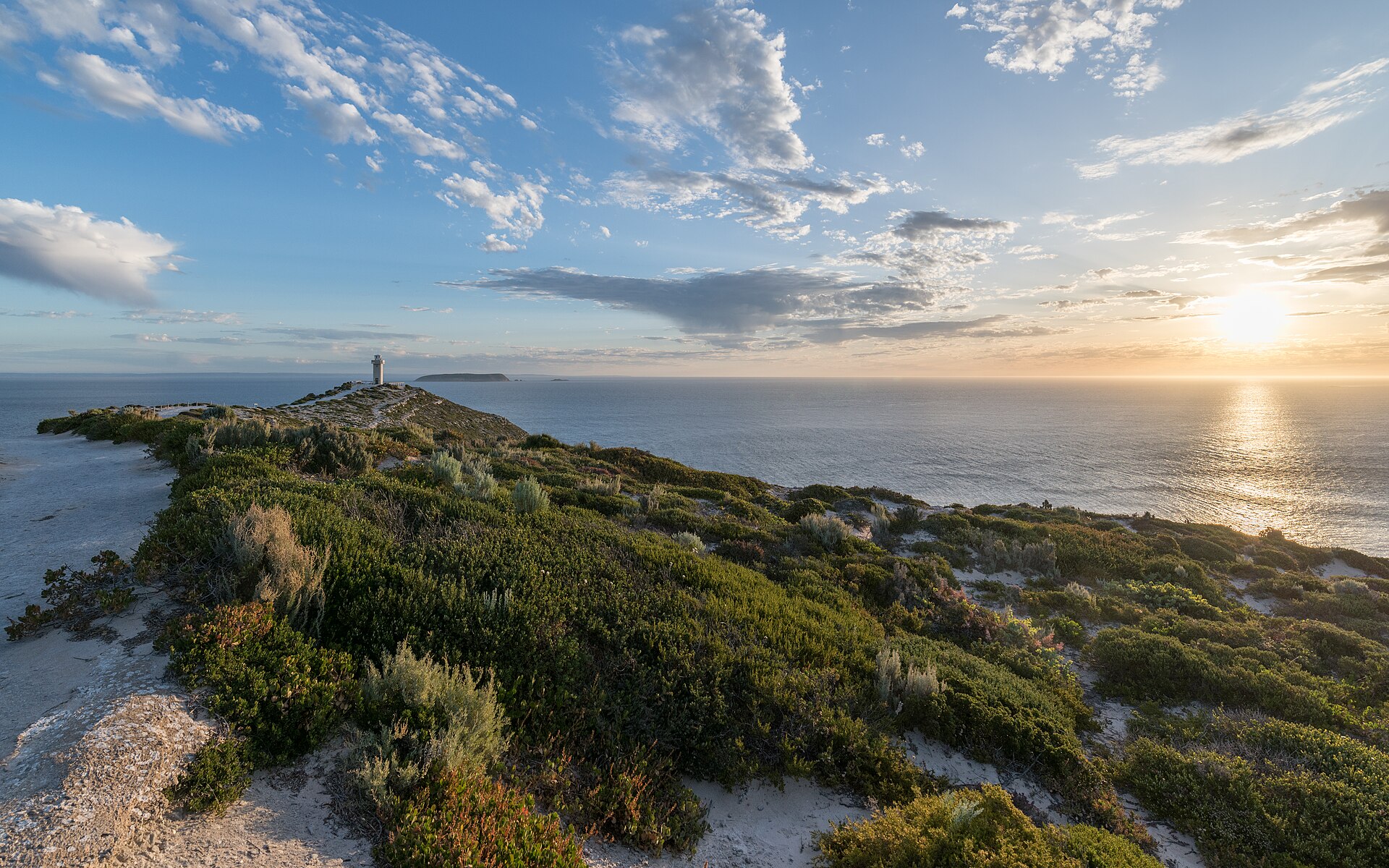
Dhilba Guuranda-Innes National Park

Murray Bridge

Blewitt Springs

Thebarton
Copper Coast (Kadina, Wallaroo, Moonta)

Rowland Flat

Coorong National Park
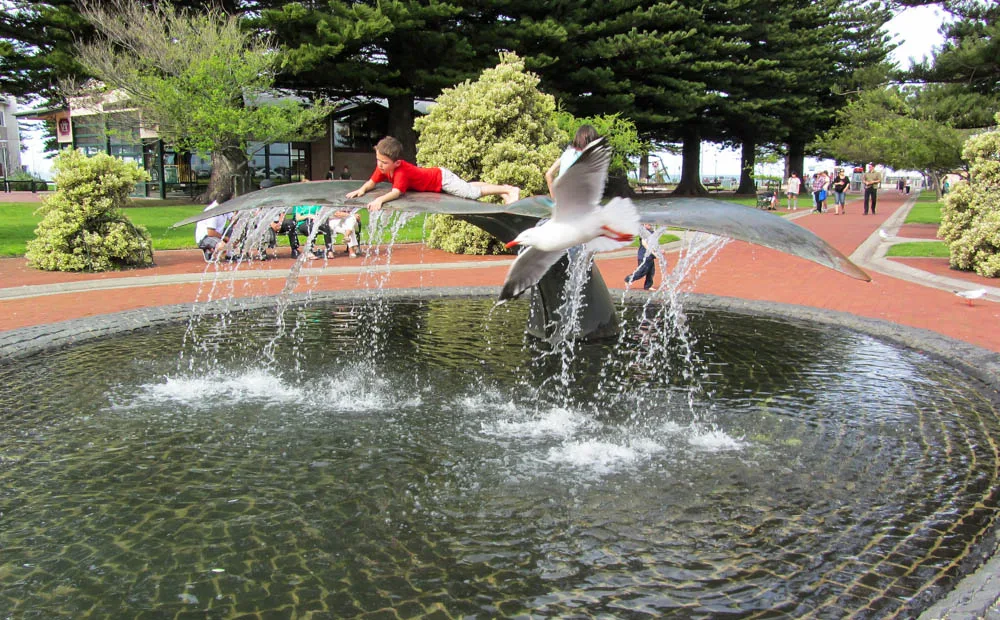
Fleurieu Peninsula
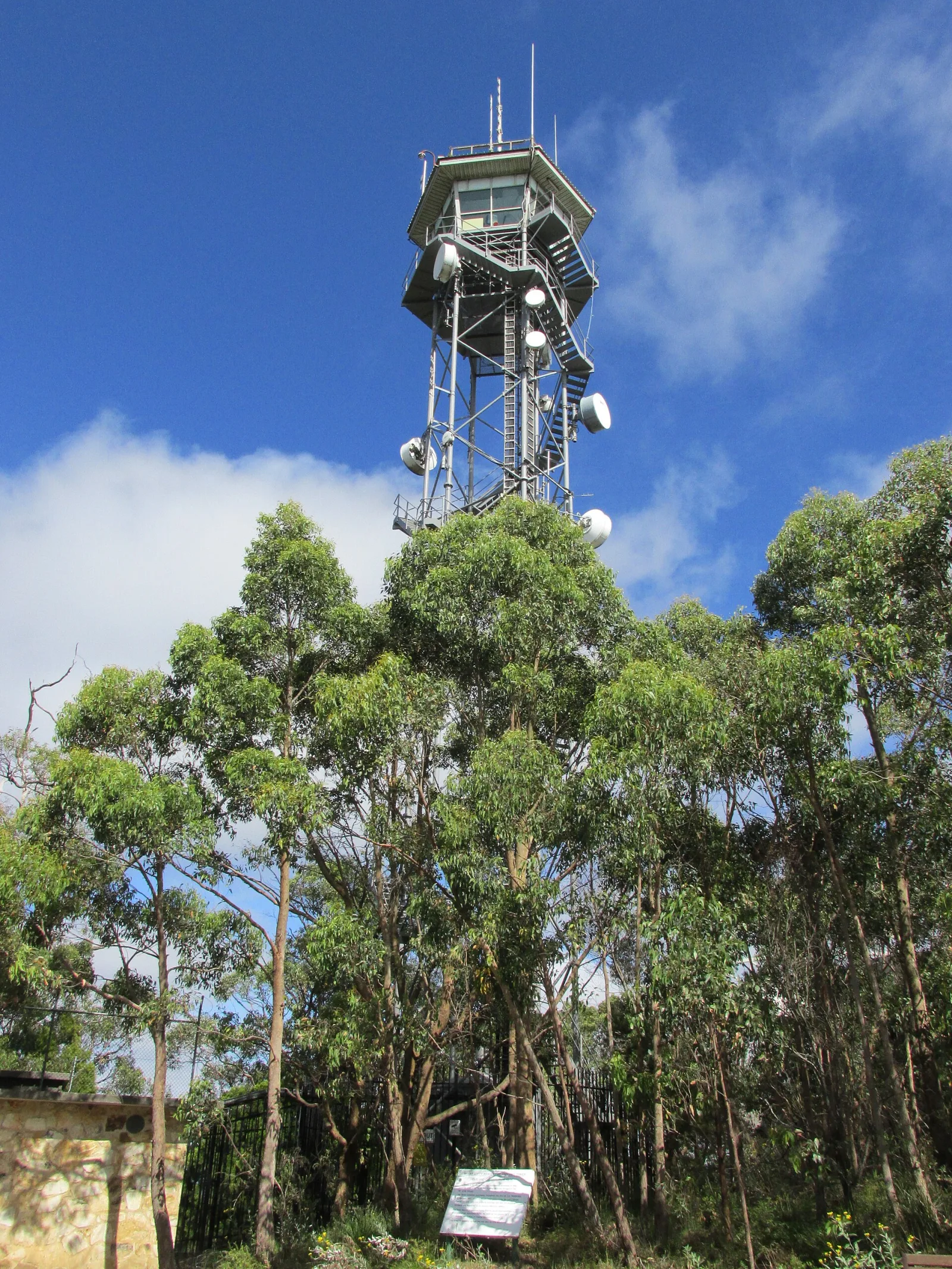
Mount Lofty
Attribution
Sources & credits
Content (1)
Images (9)
- Cape Barren geese (Cereopsis novaehollandiae) in flight Kang... · Charles J. Sharp · CC BY-SA 4.0
- Admiralty Chart No 1094 Kangaroo Island, Published 1964.jpg · United Kingdom Hydrographic Office · Public domain
- Australia Kangaroo Island.png · CC BY-SA 3.0
- Australia kangaroo island unsealed road.jpg · User: (WT-shared) Inas at wts wikivoyage · Public domain
- Australian pelican at Emu bay, kangaroo island South Austral... · Vishnubonam · CC BY-SA 4.0
- Australian water dragon, Kangaroo Island.jpg · Bernard Gagnon · CC BY-SA 4.0
- Cape Barren goose (Cereopsis novaehollandiae) Kangaroo Islan... · Charles J. Sharp · CC BY-SA 4.0
- Hanson Bay, Kangaroo Island.jpg · Drmobs · CC BY-SA 4.0
- Kangaroo Island Western grey kangaroo (Macropus fuliginosus... · Charles J. Sharp · CC BY-SA 4.0
_in_flight_Kangaroo_Island_2.jpg)


_Kangaroo_Island.jpg)

_male.jpg)
Images sourced from Wikimedia Commons under licenses that permit commercial use. If you are the rights holder and believe an attribution is incorrect, please contact us.