Dhilba Guuranda-Innes National Park
Dhilba Guuranda
Wild coast, deep country
On the lands of the Narungga Nation (Kurnara, Windera, Wari, and Dilpa clans) people.
schedule 2 min read / Updated Jun 2026
Perched at the foot of the Yorke Peninsula in South Australia, Dhilba Guuranda-Innes National Park protects 94 square kilometres of rugged limestone cliffs, sandy surf beaches, and mallee scrubland. Named with the Narungga people under a landmark co-management agreement, the park blends spectacular coastal scenery with a living history of gypsum mining, shipwrecks, and one of Australia's most rewarding wildlife recoveries.
The park sits on Country that the Narungga people have occupied for thousands of years. Their four clans, the Kurnara, Windera, Wari, and Dilpa, each held distinct territories across the peninsula. The Narungga Nation Aboriginal Corporation co-manages the park today under a partnership formalised in 2020, when the Narungga name Dhilba Guuranda, meaning the southern territory of the southern people, was added to the park's title, marking the 50th anniversary of its proclamation.
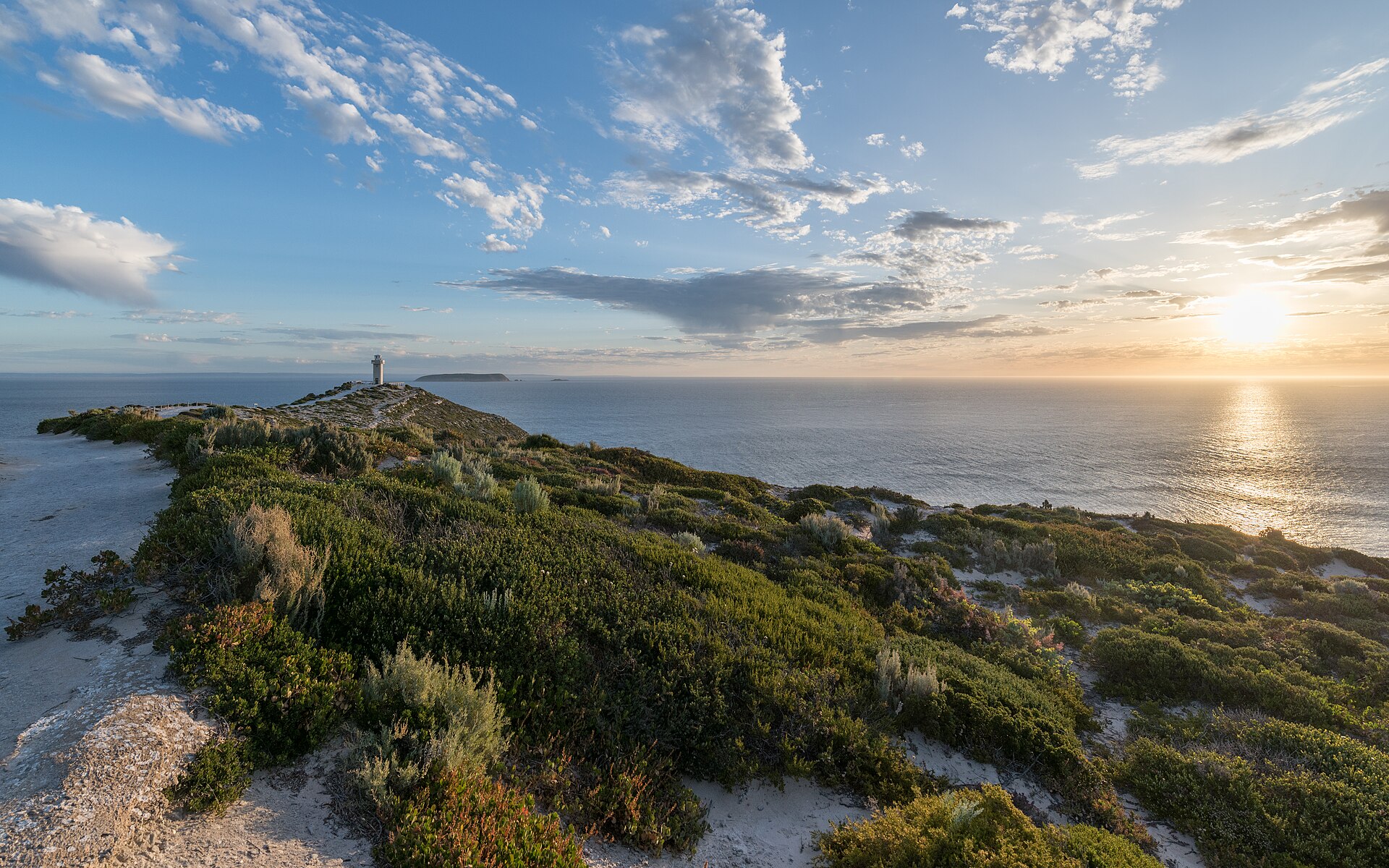
The coastline is the park's defining feature. Rugged limestone headlands drop to turquoise coves, and the surf at Pondalowie Bay draws wave riders from across Australia with its long, consistent breaks. Chinaman's Beach offers a powerful, hollow left-hand reef break suited only to experienced surfers. The Yorkes Classic surfing competition is held within the park each autumn, drawing competitors and spectators to these remote shores.
Inland, the abandoned gypsum-mining town of Inneston is one of South Australia's most intact ghost towns. At its peak the settlement housed around 200 people and ran its own school, post office, bakery, and tennis court. Mining ceased around 1930 during the Great Depression, and today the restored heritage cottages can be hired as accommodation, an eerie and captivating experience in the middle of the national park.
Maritime history is equally rich. The iron-hulled barque Ethel ran aground in a severe storm in 1904 and her skeleton remains visible at Ethel Beach, offering a dramatic shore dive. The park's reefs also attract seals, sea lions, and the occasional leopard seal in winter. Southern right whales pass offshore between June and September, visible from the clifftop lookouts.
Wildlife watching rewards patient visitors. Over 120 bird species have been recorded, including endangered malleefowl, threatened hooded plovers, and breeding osprey colonies nesting on coastal cliffs. Tammar wallabies, locally extinct for decades, were reintroduced in 2004 and now thrive in the mallee scrub. The Marna Banggara rewilding project has more recently brought back brush-tailed bettongs and other native species, making the park one of Australia's most ambitious ecological restoration stories.
Common questions
Things visitors ask about Dhilba Guuranda-Innes National Park.
Quick answers to help you plan.
Do I need to pay to enter Dhilba Guuranda-Innes National Park?
expand_more
Yes, a vehicle entry fee of $13.90 applies to all vehicles entering the park. You must pay before entering. Annual multi-park passes are available through the National Parks and Wildlife Service South Australia website. Camping fees are separate and charged per night.
Can I drive through the park in a regular 2WD car?
expand_more
Yes. All main roads and key attractions within the park, including access to Inneston, Pondalowie Bay, Cape Spencer Lookout, and the campgrounds, are accessible by standard 2WD vehicles. A high-clearance 4WD is not required for most visitor areas.
What is Inneston and can I stay there?
expand_more
Inneston is a preserved ghost town within the park, once home to around 200 gypsum miners and their families in the early 1900s. The restored heritage cottages can be booked as self-contained accommodation through the National Parks and Wildlife Service SA, offering a unique overnight experience deep inside the park.
Are dogs allowed in the park?
expand_more
No. Pets are not permitted anywhere in Dhilba Guuranda-Innes National Park. Assistance dogs are an exception, but visitors must contact the park in advance and carry appropriate documentation confirming the dog's accreditation.
When is the best time to surf at Pondalowie Bay?
expand_more
Pondalowie Bay produces long, consistent waves year-round, but the most reliable swells arrive from April through October when Southern Ocean groundswells are strongest. Chinaman's Beach, a powerful left-hand reef break, is best left to experienced surfers and works on larger swells during winter and autumn.
Can I see wildlife easily in the park?
expand_more
Yes. Tammar wallabies are commonly spotted in the mallee scrub, particularly at dawn and dusk. Over 120 bird species are present, with ospreys visible on coastal cliffs and malleefowl occasionally encountered on walking tracks. Dolphins and sea lions appear in coastal waters, and southern right whales can be seen offshore from June to September.
How far is the park from Adelaide and how do I get there?
expand_more
The park is approximately 300 km from Adelaide by road, taking around three and a half hours via Port Wakefield, Ardrossan, and Minlaton to Warooka. There is no direct public transport to the park, so a private vehicle is essential. The nearest airport with regular commercial flights is Adelaide Airport.
Gallery
Dhilba Guuranda-Innes National Park in pictures.
6 images licensed from Wikimedia Commons
All images are sourced from Wikimedia Commons under Creative Commons licences. Individual photographers are credited on the source pages.
Scenic views
Lookouts near Dhilba Guuranda-Innes National Park.
You may also like
Kingscote

Kangaroo Island

Remarkable Rocks

Seal Bay

Yorke Peninsula

Naracoorte Caves
Eyre Peninsula
Mount Lofty
Nuriootpa
Virginia

Streaky Bay

Adelaide
Attribution
Sources & credits
Content (4)
- Wikipedia: Dhilba Guuranda-Innes National Park · CC BY-SA 4.0
- Dhilba Guuranda-Innes National Park · National Parks and Wildlife Service South Australia · CC BY 4.0
- Dhilba Guuranda-Innes National Park - South Australia · South Australian Tourism Commission
- Innes National Park - Wikipedia · Wikipedia contributors · CC BY-SA 4.0
Images (6)
- Cape Spencer, Dhilba Guuranda-Innes NP 20230208.jpg · User:DXR · CC BY-SA 4.0
- Cliffs at Innes National Park.jpg · Julia Alessio · CC BY-SA 4.0
- Itching Roo.jpg · Suscipia · CC BY-SA 4.0
- Pondalowie Bay camping.jpg · Peterdownunder · CC BY-SA 4.0
- Royston Head South Australia.jpg · Peterdownunder · CC BY-SA 4.0
- Sleepy Black Snake - Innes Natl Park.jpg · Suscipia · CC BY-SA 4.0


Images sourced from Wikimedia Commons under licenses that permit commercial use. If you are the rights holder and believe an attribution is incorrect, please contact us.