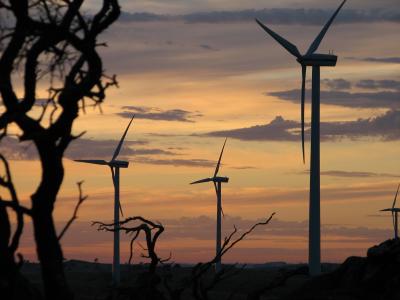
Limestone Coast
Berrin (Bungandidj name for Mount Gambier, the region's main centre)
World Heritage caves, world-class Cabernet and 400 kilometres of wild southern coastline - all in one spectacular corner of South Australia.
On the lands of the Bungandidj (Boandik), Bindjali and Ngarrindjeri peoples people.
schedule 3 min read / Updated Jun 2026
Tucked into the south-east corner of South Australia along the Victorian border, the Limestone Coast is a region of extraordinary geological drama - a landscape shaped by ancient seas, volcanic eruptions and half a million years of cave formation. It is home to the UNESCO World Heritage-listed Naracoorte Caves, six distinct cool-climate wine regions anchored by the legendary Coonawarra, and a 400-kilometre coastline of wild beaches, estuaries and towering dune systems. For travellers who enjoy depth alongside beauty, few Australian regions deliver so consistently.
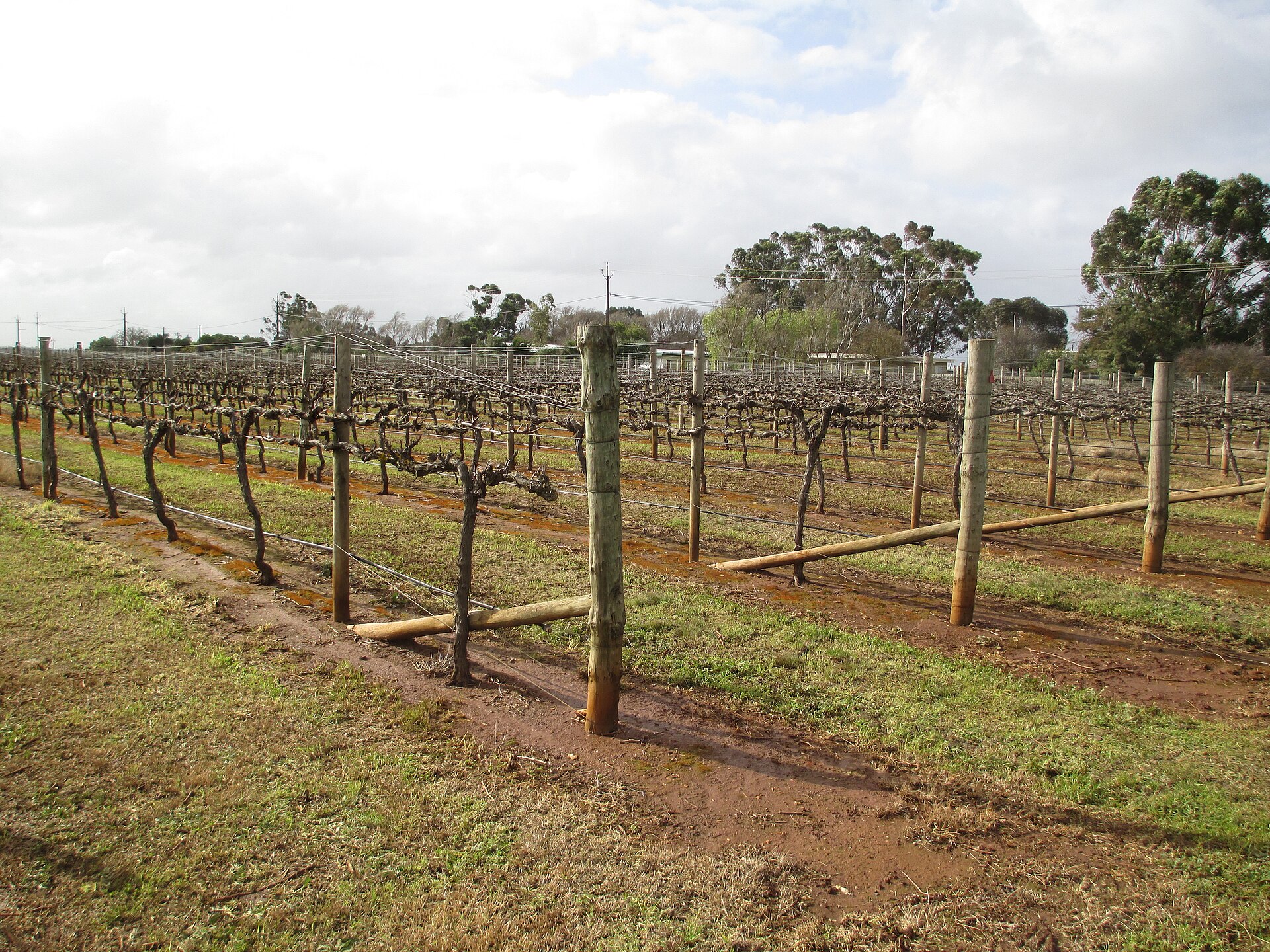
The geological story here is the foundation of everything. Ancient limestone laid down by shallow Miocene seas now underpins vineyards, cave systems and a coastline of bleached cliffs and pale sand. At Mount Gambier - the region's largest city, known by the Bungandidj people as Berrin - a dormant volcano holds Blue Lake (Warwar), a crater lake that transforms from steel grey to a vivid cobalt blue each November as calcite crystals form in the warming water, then reverts again each autumn. The lake sits roughly 72 metres deep and 1.1 kilometres across, and no fully agreed scientific explanation for the exact trigger of the colour shift has been established, which only adds to its mystique.\n\nThe Naracoorte Caves National Park, inscribed on the UNESCO World Heritage List in 1994 alongside Riversleigh in Queensland as the Australian Fossil Mammal Sites, is one of the most significant palaeontological sites on earth. For half a million years, animals fell through a natural pitfall in the cave roof and were preserved in fine sediment. Excavations have recovered tens of thousands of specimens representing at least 93 vertebrate species, including the marsupial lion Thylacoleo carnifex and the giant short-faced kangaroo Procoptodon. Four caves are open to the public with guided tours ranging from around $23 to $35 per adult depending on the cave selected; the rest are reserved for scientific research.\n\nWine is the region's other great pillar. The Limestone Coast Wine Zone encompasses six geographic indications: Coonawarra, Padthaway, Wrattonbully, Robe, Mount Benson and Mount Gambier, with around 21,000 hectares under vine in total. Coonawarra is the centrepiece - a narrow 15-kilometre strip of terra rossa soil over free-draining limestone that produces Cabernet Sauvignon widely regarded as Australia's finest. Cellar doors are unhurried and accessible throughout the zone, and the restaurant scene in Penola and Mount Gambier has grown to match the quality in the glass.\n\nFor the coast itself, the region rewards those who take their time. Robe is a charming historic port town with a gold-rush past and excellent seafood. Beachport and Kingston SE offer quieter stretches of beach popular with surfers and anglers. The Coorong - the vast lagoon system running north of Kingston - extends into this corner of the region and shelters migratory waders and the critically endangered orange-bellied parrot each winter. Bool Lagoon, a Ramsar-listed wetland near Naracoorte, is one of the most important waterbird habitats in southern Australia.\n\nThe Limestone Coast is Bungandidj, Bindjali and Ngarrindjeri country, with the region's First Nations people maintaining a 30,000-year connection to this landscape. The Bungandidj name Berrin for Mount Gambier was restored to official dual-name signage in 2022, and a number of cultural tourism operators now offer on-Country experiences that bring the landscape's deeper history to life. The region is self-drive territory - its main attractions are spread across a wide area - and most visitors base themselves in Mount Gambier or Penola, using three to five days to move comfortably between caves, cellar doors and coast.
Where to stay
Holiday parks near Limestone Coast.
1 option via our booking partner

Bookings handled by our partner Parkbooker. We may earn a commission at no extra cost to you.
Scenic views
Lookouts near Limestone Coast.
You may also like

Robe
Coonawarra Wine Region

Mount Gambier

Naracoorte Caves

Clare Valley
Ikara-Flinders Ranges National Park
Dhilba Guuranda-Innes National Park
Moana

Coorong National Park

Thebarton
Riverland
Adelaide Hills
Attribution
Sources & credits
Content (1)
Images (3)
- Canunda wind farm DKC1.jpg · David Clarke · CC BY-SA 3.0
- Dive sites of the Limestone coast.png · Peter Southwood · CC BY-SA 3.0
- Limestone Coast new banner.jpg · Kevin · CC BY-SA 3.0


Images sourced from Wikimedia Commons under licenses that permit commercial use. If you are the rights holder and believe an attribution is incorrect, please contact us.