
Coorong National Park
A 130 Kilometre Coastal Lagoon
On the lands of the Ngarrindjeri people.
schedule 1 min read / Updated Apr 2026
A 130 kilometre saltwater lagoon system separated from the Southern Ocean by the long sand barrier of the Younghusband Peninsula. The Coorong is one of the most important waterbird habitats in Australia and was the setting for Colin Thiele's children's classic 'Storm Boy'.
The Coorong is a Ramsar-listed wetland of international importance. The 130 kilometre lagoon system runs parallel to the south-east coast of South Australia, separated from the Southern Ocean by the Younghusband Peninsula, a long ribbon of sand dunes. Water depth in the lagoons varies dramatically with rainfall in the Murray-Darling Basin, since this is the river system's eventual end.
The park is home to more than 240 bird species, including pelicans, banded stilts, fairy terns, and migrating waders that fly from as far as Siberia each year. The Ngarrindjeri people are the Traditional Custodians and have managed the wetlands for at least 25,000 years.
The Coorong became famous internationally through Colin Thiele's 1964 novel 'Storm Boy' and the 1976 film of the same name, which was shot on the Coorong dunes and featured a pelican called Mr Percival. The story is still essential reading for Australian schoolchildren.
The park is reached via the Princes Highway south-east from Adelaide, around 160 kilometres from the city.
Scenic views
Lookouts near Coorong National Park.
You may also like
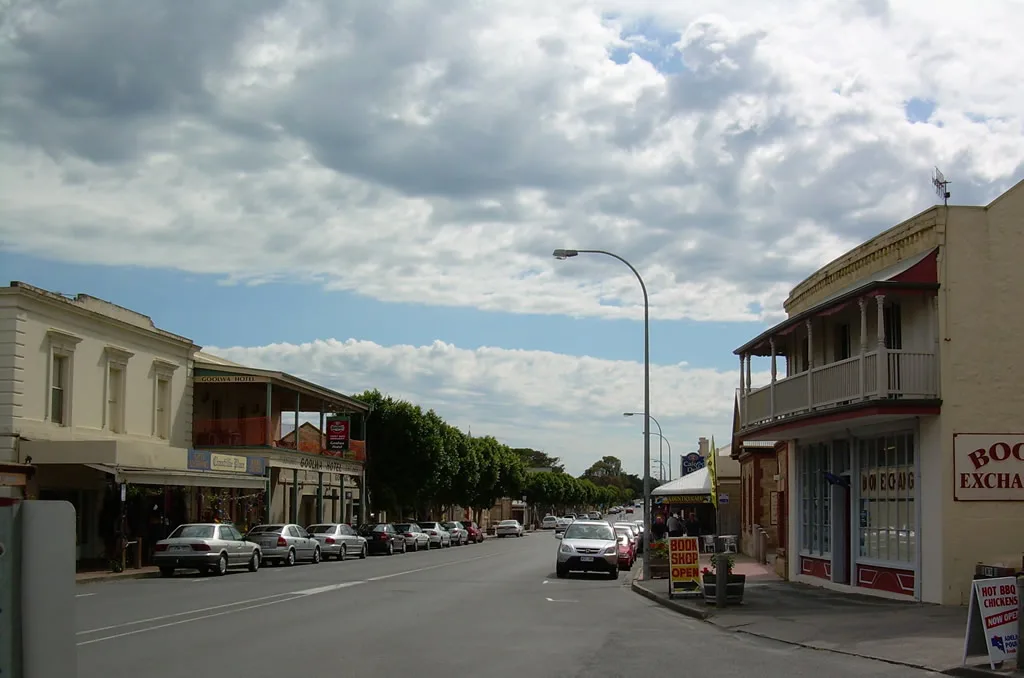
Goolwa
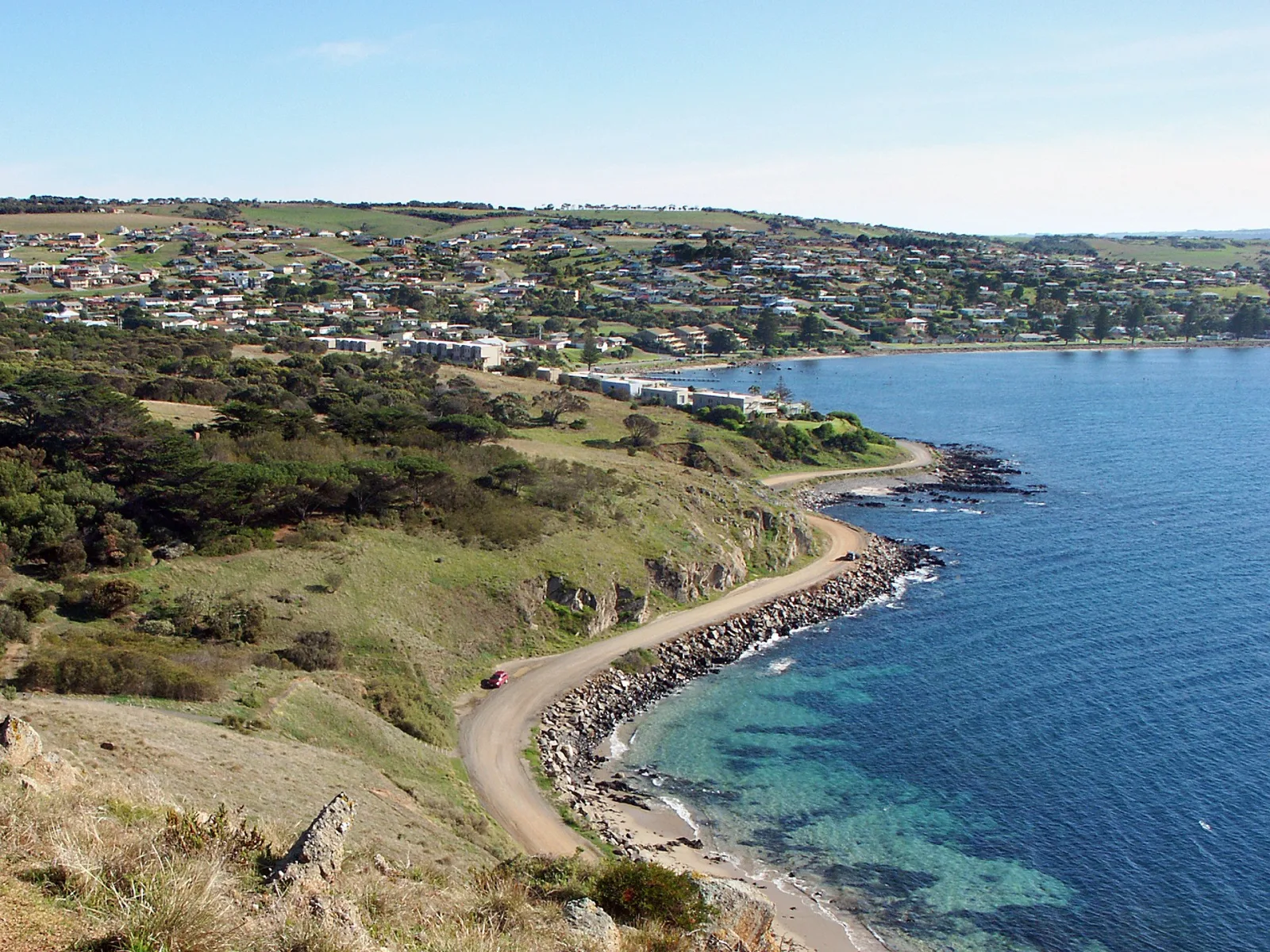
Victor Harbor
Nuriootpa
Virginia
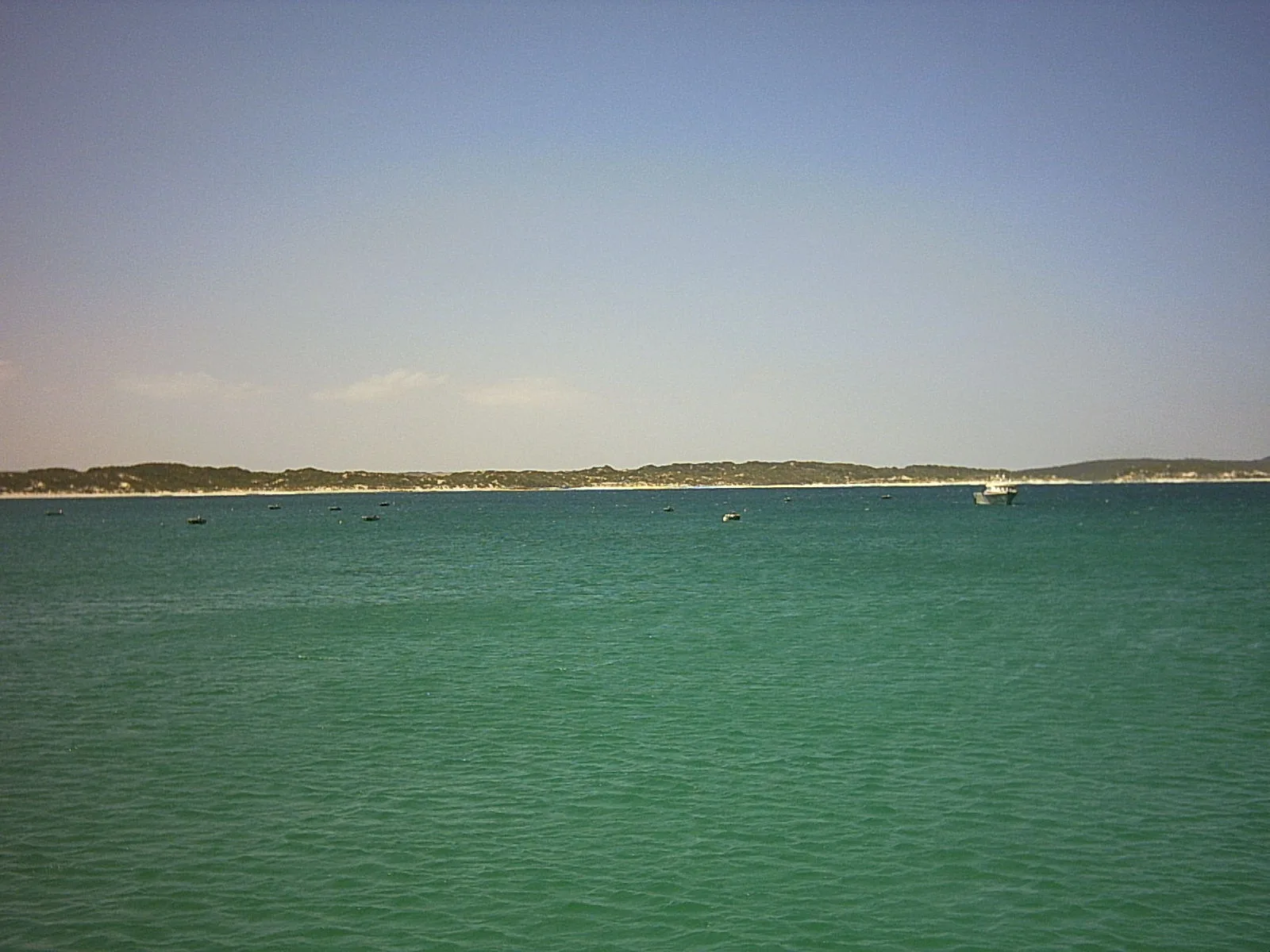
Vivonne Bay
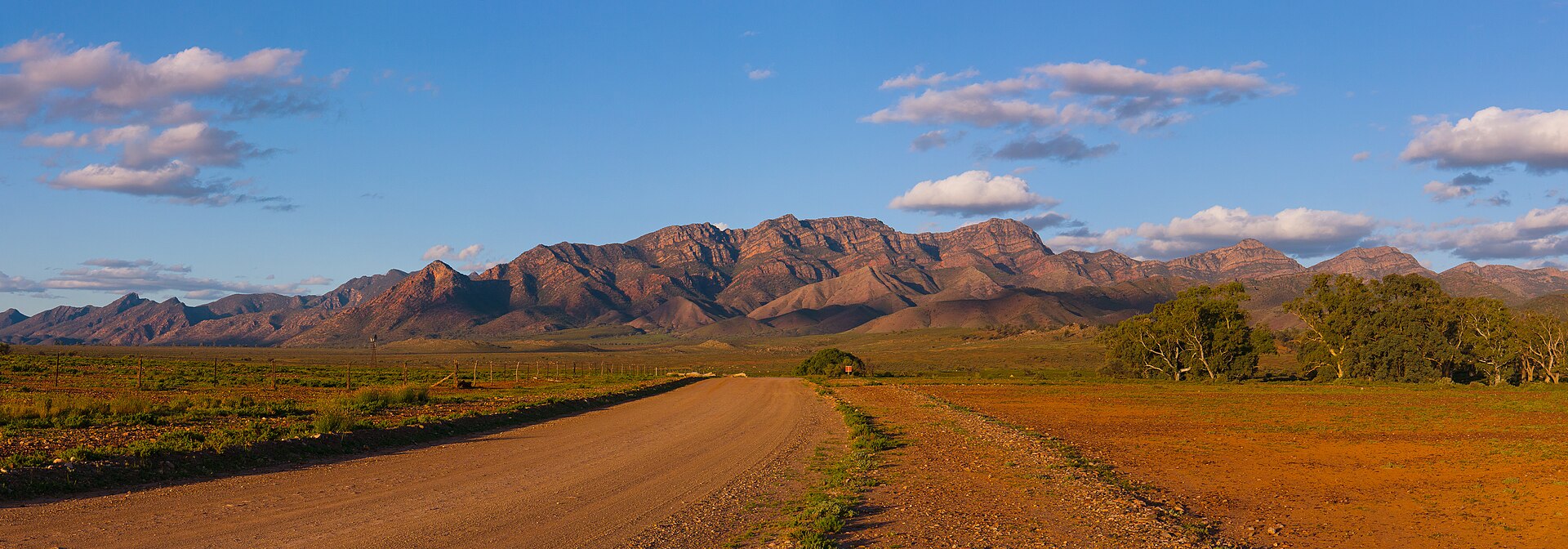
Ikara-Flinders Ranges National Park

Port Augusta

Kangaroo Island

Rowland Flat

Lower Light

Magill
Adelaide Hills
Attribution
Sources & credits
Content (1)
Images (2)
- Coorong National Park.jpg · Pimlico27 · CC BY-SA 4.0
- Coorong National Park - panoramio - Wikipedian.jpg · Wikipedian · CC BY-SA 3.0


Images sourced from Wikimedia Commons under licenses that permit commercial use. If you are the rights holder and believe an attribution is incorrect, please contact us.