Guide · 7 min read
The Complete Tasmania East Coast Road Trip Itinerary (7 Days)
Drive the Great Eastern Drive from Hobart to St Helens - day by day, with stops, distances, and what not to miss.
Elise Carmody · June 2026
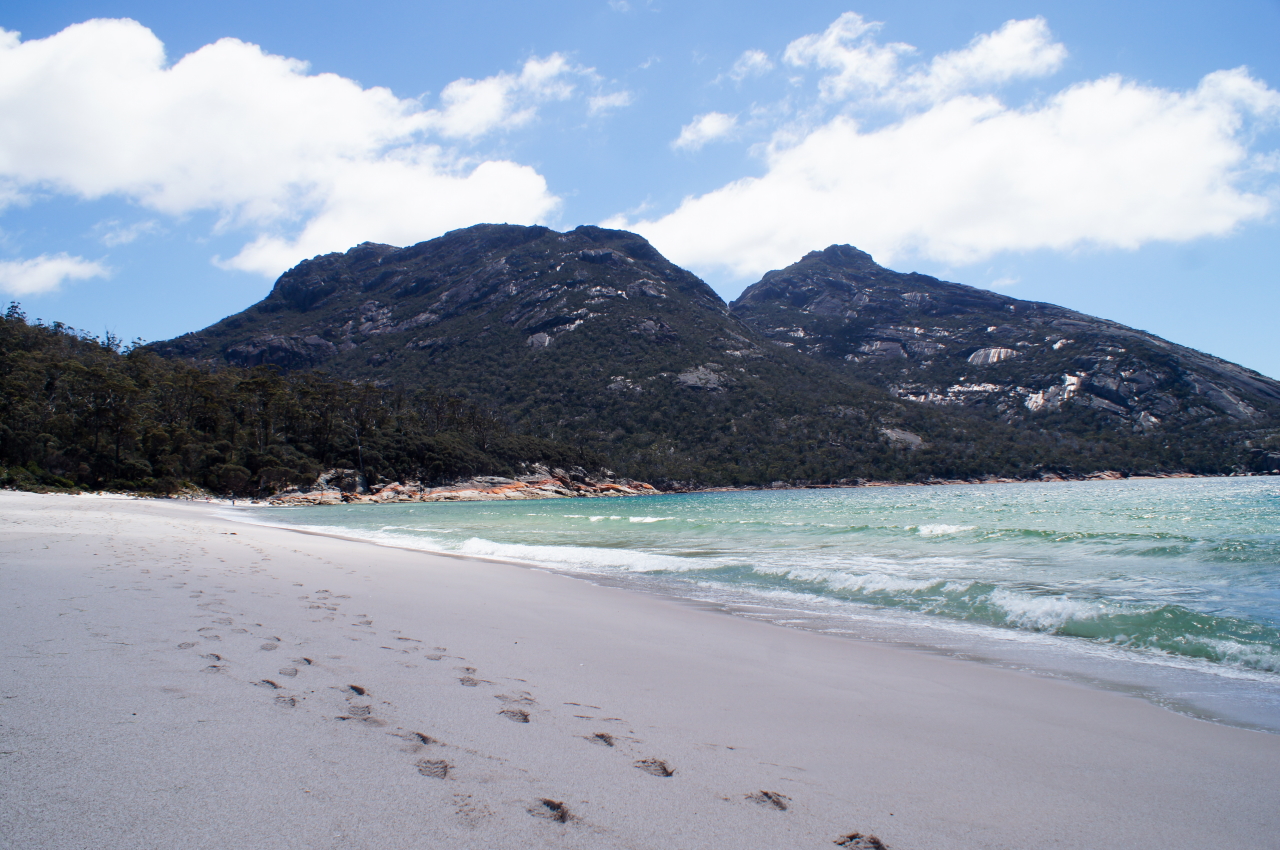
Drive Tasmania's Great Eastern Drive in seven days, taking in Orford, Swansea, Freycinet, Bicheno, Bay of Fires, and St Helens. This guide covers exact distances, where to stay, and the activities worth slowing down for.
Why the East Coast Is Tasmania's Best Road Trip
Tasmania's east coast is compact, well-sealed, and packed with places that reward lingering. The Great Eastern Drive - the informal name for the route that hugs the coast from Orford north to St Helens - covers roughly 300 kilometres of driving, but the point is never to rush it. Seven days gives you enough time to hike to Wineglass Bay, watch fairy penguins shuffle ashore at dusk, eat fresh crayfish by the water, and still sit on an empty orange-bouldered beach at Bay of Fires without feeling like you need to be somewhere else. This itinerary runs south to north - start in Hobart and finish in St Helens, where you can either loop back or connect onward to Launceston (about 2 hours, 167 km).
Before you leave Hobart, purchase a Tasmania Holiday Parks Pass online at passes.parks.tas.gov.au. A vehicle pass covering up to 8 people costs $95.50 and is valid for two months at all national parks - you will need it for Freycinet and Mount William.
Day 1 - Hobart to Orford (80 km, 1 hour)
Head north-east on the Arthur Highway (A3). Orford is an easy, flat drive and is a good first-night base that lets you settle into coastal Tasmania without burning a full day on the road.
What to do: The clifftop walk from East Shelly Beach to Spring Beach passes through a 19th-century sandstone quarry and takes about 40 minutes return. If you arrive with energy, drive the 10 minutes north to Triabunna - the ferry to Maria Island departs several times daily and makes a superb side trip (plan a full Day 2 for it if Maria Island is on your list).
Where to stay: Spring Bay Mill (a converted historic mill with character) or the Eastcoaster Resort, which has pools and tennis courts and suits families.
Eat: Scorchers Wood Fired Pizza uses only Tasmanian produce and is reliably good for dinner.
Day 2 - Orford to Swansea (55 km, 45 minutes)
A short drive north means you can take your time at Orford before checking in at Swansea by early afternoon.
What to do: Swansea sits on the western shore of Great Oyster Bay with unbroken views across to the Freycinet Peninsula. Walk the foreshore, then visit the Bark Mill Tavern and Bakery - the attached museum explains how black wattle bark was processed for leather tanning during the Depression, and the bakery does a much-photographed scallop pie. The convict-built Spiky Bridge, a few kilometres south of town, is a quick and unusual roadside stop. Kate's Berry Farm, a short drive south of Swansea, sells fresh berries, berry wine, and handmade chocolates - worth stocking up for the road.
Where to stay: Piermont Retreat features stone cottages looking directly towards the Hazards of Freycinet; it is one of the east coast's more special addresses.
Day 3 - Swansea to Freycinet (45 km, 40 minutes)
Turn off the Tasman Highway onto Coles Bay Road (C302) and follow it to the end - this is Freycinet National Park.
What to do: The Wineglass Bay Lookout walk (2.6 km return, 60-90 minutes, Grade 3) is the essential experience. If you have the legs for more, continue down to the beach itself - the full circuit is 6 km return and takes 2.5-3.5 hours. For something shorter, the Cape Tourville Circuit (600 m, 20 minutes, fully boardwalked) delivers lighthouse views and a good chance of spotting dolphins. Guided sea-kayaking tours operate from Coles Bay and let you see the Hazards from the water.
Don't miss: Cape Tourville Lighthouse at sunset. The short boardwalk is wheelchair-accessible and the views over Wineglass Bay and south along the coast are some of the best on the island.
Where to stay: Freycinet Lodge sits inside the national park - book early for peak season (December-February). Budget option: BIG4 Iluka on Coles Bay township.
Day 4 - Freycinet to Bicheno (30 minutes, 30 km)
Bicheno is a small fishing town just north of Freycinet. It has recently been named Australian Traveller's number-one best town in Australia for 2026, and it punches well above its size.
What to do: The 4 km foreshore track between Redbill Point and the Bicheno Blowhole is a flat, scenic walk past pink granite shelves and rock pools. The Blowhole itself is best when a Tasman Sea swell is running - spray can reach several metres. At dusk, join a Bicheno Penguin Tour for a guided walk to watch little penguins come ashore at their rookeries; guides are knowledgeable and numbers are controlled to protect the birds. East Coast Natureworld, 7 km north of town, offers close-up encounters with Tasmanian devils, quolls, and kangaroos.
Eat: The Lobster Shack sits above the fishing boats with water views - order fresh crayfish and eat outside.
Where to stay: Apartments on Fraser Bicheno or the range of self-contained beach houses in town.
Day 5 - Bicheno to St Helens via the scenic coast (115 km, 1 hour 45 minutes)
This is the longest drive of the trip but it is beautiful the whole way - the road hugs the coast with frequent pull-offs.
Stop en route: Elephant Pass, where the well-known Elephant Pass Pancake Barn has been feeding travellers for decades. South of St Helens, Priory Ridge Wines offers cellar-door tastings with views over hills rolling towards the bay.
Where to stay: Georges Bay Apartments in St Helens, or BIG4 St Helens Holiday Park for those travelling in a campervan or caravan.
Days 6-7 - Bay of Fires and St Helens
Bay of Fires is one of Australia's most celebrated coastal areas - the signature image is white sand meeting turquoise water beside granite boulders streaked orange with lichen (Caloplaca lichen, not rust). The conservation area runs for more than 50 km from Binalong Bay south of St Helens to Eddystone Point in the north.
What to do: Drive north from St Helens to Binalong Bay (about 10 minutes) and walk south along the beach to Jeanneret Beach and Cosy Corner - the lichen-covered headlands are at their most photogenic in morning light. Free camping is available at several grounds along the 13 km beach road accessed from St Helens - no facilities, but hard to beat for a spot. For something more structured, the Bay of Fires Lodge Walk is a 4-day guided coastal hike with clifftop lodge accommodation; the wukalina Walk is a Palawa-led 4-day experience combining landscape and Aboriginal culture.
Continuing north, Mount William National Park (requires parks pass) protects Forester kangaroos and reaches Eddystone Point - Tasmania's easternmost tip - where a historic lighthouse stands above a rocky headland.
St Helens itself is the self-described game-fishing capital of Tasmania: marlin, lobster, albacore, and yellowfin tuna are all caught in local waters. Half-day and full-day charters depart from the marina on Georges Bay.
Practical Notes
Best time to visit: December to March for warm swimming weather and long daylight hours. Book accommodation months ahead for the Christmas-January peak. March-April offers mild weather, fewer crowds, and stunning autumn colours inland.
Fuel: Fill up at each main town - gaps between service stations can exceed 80 km in some sections.
Parks Pass: Buy online before you leave - the Holiday Pass at $95.50 per vehicle covers Freycinet, Mount William, and all other Tasmanian national parks for up to two months.
Road conditions: All main routes are sealed. Any standard two-wheel-drive car handles the Great Eastern Drive without difficulty.
Sources