Guide · 6 min read
How to Hike the Overland Track: Everything You Need to Know
The complete planning guide for Tasmania's 65 km classic - permits, huts, gear, and side trips
Margot Fenwick · June 2026
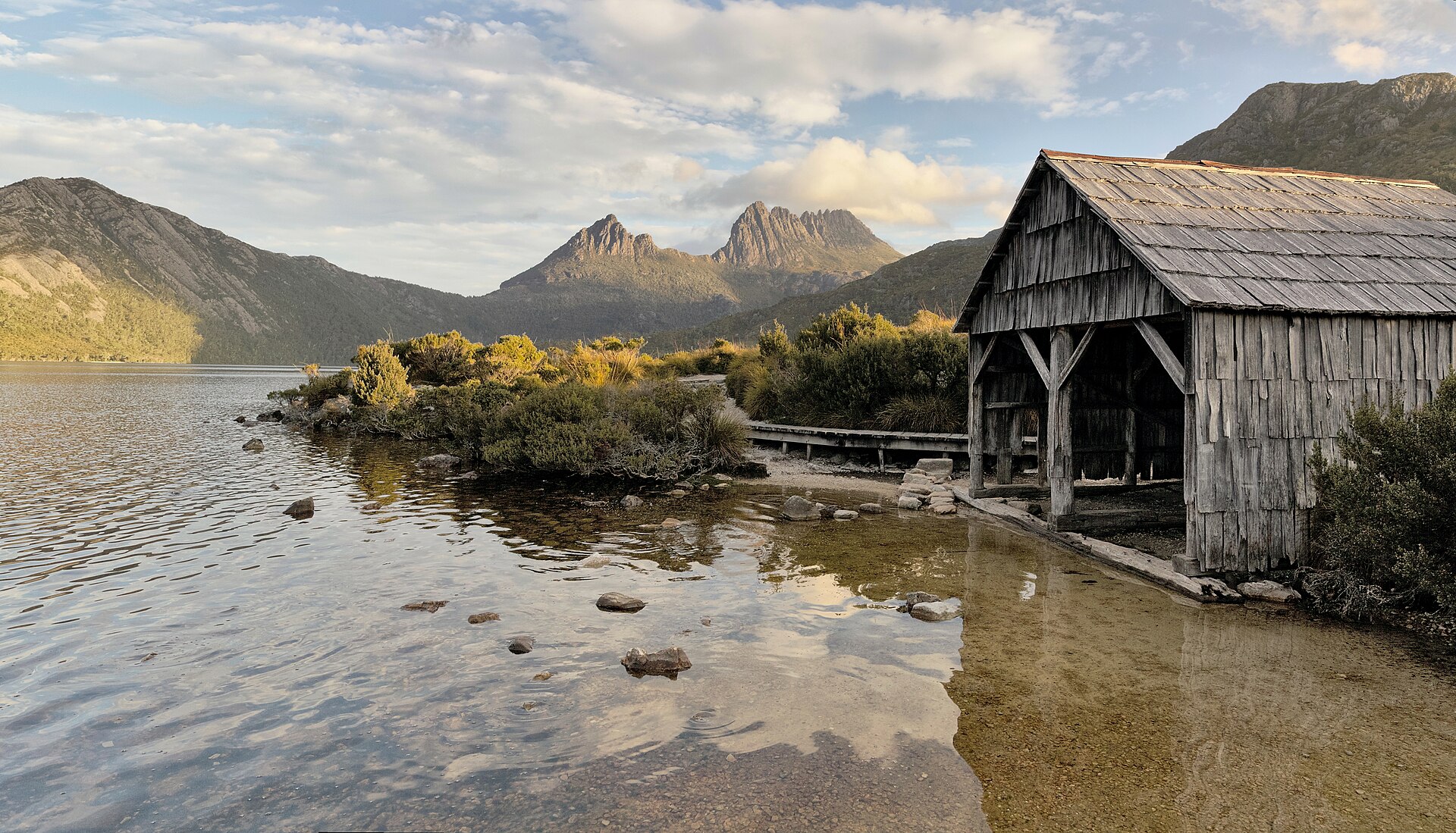
The Overland Track is Australia's most iconic multi-day alpine hike, crossing 65 km of World Heritage wilderness in six to seven days. This guide covers the permit system, hut bookings, best season, gear essentials, and the Mount Ossa summit side trip.
What Is the Overland Track?
The Overland Track is widely regarded as Australia's finest multi-day wilderness walk. Stretching 65 km through the heart of Cradle Mountain-Lake St Clair National Park in Tasmania - part of the Tasmanian Wilderness World Heritage Area - the route links Ronny Creek near Cradle Mountain in the north to Narcissus Hut at the head of Lake St Clair in the south.
Most walkers complete it in six days, though seven or eight days is perfectly manageable if you want unhurried mornings, summit attempts on side trips, or an extra rest day at a favourite hut. The terrain ranges from duckboard tracks across button-grass plains and ancient pencil-pine forest to exposed boulder fields and alpine moorland. Expect to encounter all four seasons in a single day, regardless of when you go.
The Permit System: What You Need to Know
During the regulated season - 1 October to 31 May - a strict daily quota applies. A maximum of 34 independent walkers can depart each day, northbound to southbound only (Cradle Mountain to Lake St Clair). Guided tour groups take the remaining spots within a 60-walker daily cap.
Bookings open once a year, typically on the first Tuesday in July, at 9:00 am AEST, through the Parks and Wildlife Service Tasmania portal. All available dates for the entire October-May season go on sale simultaneously. Popular dates - especially January, Easter, and school holidays - sell out within hours. Set a calendar reminder well in advance.
Groups must be a maximum of eight people. Your permit covers park entry and the shuttle from the Cradle Mountain Visitor Centre to the Ronny Creek trailhead. Transport to Cradle Mountain and from Lake St Clair is not included. Track pass fees are reviewed annually in line with CPI, so check the current price at parks.tas.gov.au before booking.
Outside the regulated season (June to September), no permit or track fee is required - only a standard national parks pass. Be aware that winter conditions on the track demand serious alpine experience, navigation skills, and appropriate cold-weather and snow gear.
Huts Along the Route
Seven main public huts are spaced along the track, offering sleeping platforms, rainwater, composting toilets, and gas heaters. Huts are allocated on a first-come-first-served basis - they cannot be pre-booked per hut. You must carry a tent regardless, in case you do not reach the next hut or it is already full. The main huts in order from north to south are:
- Waterfall Valley Hut - the first overnight stop, roughly 10 km from the start
- Windermere Hut - sits above a glacial tarn with views back towards Cradle Mountain
- New Pelion Hut - the largest hut on the track (36 bunks), a good base for the Mount Ossa side trip
- Kia Ora Hut - a popular stop after the Pelion Gap and Ossa detour
- Bert Nichols Hut - smaller and quieter, good for those wanting to spread out their days
- Narcissus Hut - the end of the main track, where you catch the ferry or walk out
Pine Valley Hut and Echo Point Hut are off the main track and are popular for walkers extending into the Labyrinth or Du Cane Range.
Finishing at Lake St Clair
From Narcissus Hut you have two options. The most popular is the ferry across Lake St Clair to the Cynthia Bay visitor centre - a scenic 30-minute ride that must be booked in advance through Lake St Clair Tourist Park (approximately $55 per person). The alternative is to walk the 17.5 km shoreline trail through rainforest, adding an extra day to your trip. Both options are worth considering: the ferry is faster, but the lake walk is genuinely beautiful.
Side Trips Worth Planning For
The Overland Track is famous not just for the main route but for its optional side trips. Build extra time into your itinerary if you want to attempt any of these:
- Mount Ossa (1,617 m) - Tasmania's highest peak, accessed from Pelion Gap on Day 4. The out-and-back side trip from the junction is approximately 5 km return and takes four to five hours. The climb is steep and exposed with boulder scrambling near the summit. Only attempt it in clear weather - if you cannot see the summit from Pelion Gap, consider saving the day for another year. Add a further hour from Pelion Gap to reach Kia Ora Hut for the night.
- Cradle Mountain summit - tackled on Day 1 as an optional detour before descending to Waterfall Valley.
- Barn Bluff - a striking volcanic dome visible from much of the northern track, reached via a marked side trail near Waterfall Valley.
- The Labyrinth - a complex of tarns and dolerite columns above Pine Valley Hut, accessed by leaving the main track near Kia Ora.
- D'Alton and Fergusson Falls - easily reached on Day 5 near Kia Ora Hut with minimal extra effort.
Best Time to Hike
November through February offers the most reliable weather and the longest daylight hours - up to 16 hours of daylight in midsummer. Spring (October-November) can bring lingering snow on higher sections including Pelion Gap and the Cradle Mountain plateau, which adds difficulty but real dramatic beauty. March and April are excellent: lighter crowds, stable weather, and spectacular autumn colour in the deciduous beech. May can be cold and wet, and the regulated season ends on 31 May.
Essential Gear List
Tasmania's weather is famously unpredictable at any time of year. Do not cut corners on gear.
- Waterproof shell jacket and pants - non-negotiable
- Insulating mid-layer (down or synthetic - pack both if you run cold)
- Merino wool base layers (two sets minimum)
- Sturdy, waterproof hiking boots that are well broken-in
- Tent - mandatory even if you plan to stay in huts every night
- Sleeping bag rated to at least -5 degrees Celsius
- Sleeping mat
- Camp stove and fuel - no open fires are permitted anywhere on the track
- Water filter or purification tablets
- Navigation tools - map, compass, and a fully charged GPS device or phone with offline maps
- Personal Locator Beacon (PLB) - highly recommended and available to hire at Cradle Mountain
- Trekking poles - very useful on descent days and on wet boardwalk
- First aid kit and blister management supplies
Aim to keep your total pack weight under 18 kg including two litres of water. No bins are provided along the track, so carry out all rubbish.
Booking Checklist
- Check the Parks Tasmania website (parks.tas.gov.au) in June for the exact booking release date and current track fees.
- Set an alarm for 9:00 am AEST on opening day - have your group's details ready (full names, dates of birth, concession cards if applicable).
- Book the Lake St Clair ferry separately through Lake St Clair Tourist Park.
- Arrange transport to Cradle Mountain (Launceston-based shuttle services fill quickly for peak season).
- Register an emergency contact and carry your PLB.
The Overland Track rewards thorough preparation. Book early, pack wisely, and you will walk one of the great long-distance routes anywhere in the Southern Hemisphere.
Sources