Guide · 7 min read
NSW South Coast Road Trip: The Ultimate Itinerary from Sydney to the Sapphire Coast
Seven days, seven destinations, and 500 kilometres of the best coastline in Australia
Claudia Sherwood · June 2026
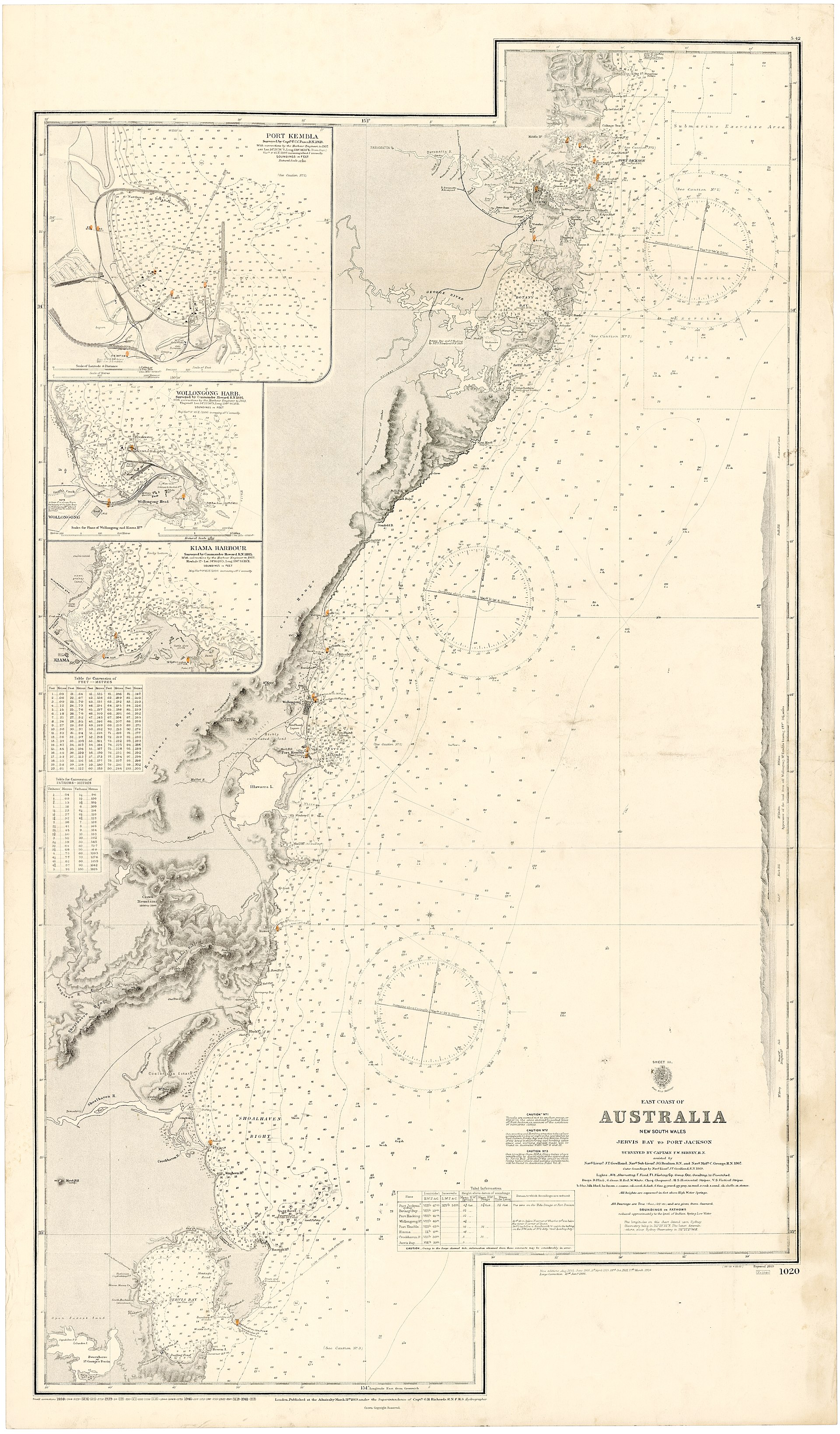
Drive the NSW South Coast from Sydney to Eden in seven days, taking in Wollongong, Kiama, Jervis Bay, Batemans Bay, Narooma, Merimbula, and the Sapphire Coast. This day-by-day itinerary covers distances, key stops, park fees, and seasonal tips.
The NSW South Coast road trip is the most searched domestic drive itinerary in the state, and for good reason. From the Sea Cliff Bridge south of Sydney to the ancient rainforests above Eden, the Princes Highway delivers a back-to-back sequence of beaches, wildlife encounters, and seafood stops that few coastal drives in the world can match. The total distance from Sydney to Eden is roughly 475 kilometres - set aside at least seven days and you will leave wanting more.
Day 1: Sydney to Wollongong (85 km, 1.5 hours)
Leave Sydney via the Grand Pacific Drive rather than the highway. The Sea Cliff Bridge - a 665-metre cantilevered coastal road suspended above the Pacific - makes this the most photogenic departure from any city in Australia. Pull over at Stanwell Park lookout before dropping into Wollongong, the Illawarra's urban hub.
In town, walk the clifftop path at Flagstaff Hill, visit Wollongong Botanic Garden (entry free), and drive up to the Mt Keira Summit Park for sweeping views over the coast. Wollongong has a growing cafe culture and a good range of mid-range accommodation, making it a solid first night.
Day 2: Wollongong to Jervis Bay via Kiama (120 km, 1.5 hours driving)
Kiama is only 35 minutes south of Wollongong and earns every minute you give it. The Kiama Blowhole at Blowhole Point Road is free to visit and accessible year-round - when a southeast swell is running, water shoots more than 30 metres into the air through a 2.5-metre opening in the rock face. The attraction draws around 1.3 million visitors a year and facilities include parking, picnic areas, public toilets, and a nearby rock pool. For walkers, the 22-kilometre Kiama Coastal Walk tracks south to Gerringong and passes the smaller Little Blowhole along the way.
Push on to Jervis Bay for the afternoon. Hyams Beach, listed in the Guinness World Records for its white quartz sand, is the crowd magnet - arrive early or on a weekday to get a park. The Jervis Bay National Park section on the NSW side has free entry. If you cross into Booderee National Park (managed by Parks Australia), a vehicle day pass costs $20, or $10 with a concession card. Booderee's Cave Beach and Murrays Beach are uncrowded alternatives to Hyams Beach and arguably more beautiful. Book campsites in Booderee well in advance at booderee.gov.au - sites at Green Patch, Bristol Point, and Cave Beach fill months ahead in summer.
Day 3: Jervis Bay to Batemans Bay (100 km, 1.5 hours)
Batemans Bay sits four hours south of Sydney and two hours east of Canberra, which makes it busy on long weekends - plan mid-week if you can. The town's calling card is oysters. Clyde River oysters are grown in the estuary just behind the town, and you can buy them direct from Pearly Oyster Bar and the Oyster Shed on Wray Street. Sydney rock oysters peak from August to March; native angasi oysters are best from May to August.
For water time, the Batemans Bay Snorkelling Trail links three sites - Maloneys Beach, Sunshine Cove Beach, and Guerilla Bay - where you can see bream, gropers, and lobsters without needing a boat. Murramarang National Park, 11 kilometres north of town, is worth at least a half-day: eastern grey kangaroos graze on the beachfront at dawn and dusk, and the Pretty Beach to Durras Mountain walk gives excellent coastal views.
Day 4: Batemans Bay to Narooma (115 km, 1.5 hours)
Narooma is the jewel of the Eurobodalla coast. The bar at the entrance to Wagonga Inlet is one of the most scenic spots on the entire south coast, and the town punches well above its size for food and accommodation. The big draw, though, is just offshore.
Montague Island - Barunguba in Yuin - sits 9 kilometres out to sea and hosts thousands of little penguins from September to January, as well as a large Australian fur seal colony year-round. Guided island tours run from Narooma and must be booked in advance through licensed operators; you cannot visit independently. Whale watching here is exceptional: humpbacks pass from May to November, with northbound migration peaking in June and July, and the southbound return with calves peaking from September to November. Multiple charter operators record sighting rates above 95 per cent during peak months.
The area around Narooma also produces superb oysters and is home to the annual Narooma Oyster Festival, held each May.
Day 5: Narooma to Merimbula (115 km, 1.5 hours)
Merimbula sits between Lake Merimbula and the coast, giving it calm water on one side and surf beach on the other. Bar Beach is the town beach; the lake side is ideal for paddleboarding and kayaking. The combined aquarium and waterfront restaurant at the wharf is a reliable family stop.
The drive south from Narooma passes through Bermagui, worth a coffee stop at the harbour, and Tathra, which has a heritage timber wharf and a good surf beach. Allow an extra 30 minutes if you intend to linger at either.
Day 6: Merimbula to Eden and Beowa National Park (30 km, 25 minutes)
Eden is only 30 kilometres south of Merimbula but deserves a full day. The town overlooks Twofold Bay and was once the centre of a remarkable partnership between local orca pods and human whalers - the Eden Killer Whale Museum on Imlay Street documents the story in detail and is worth the modest entry fee.
Beowa National Park (renamed from Ben Boyd National Park in 2022) wraps around both sides of Twofold Bay and covers 47 kilometres of rocky coastline. Entry to the southern section costs $8 per vehicle per day; the northern section is free. The 31-kilometre Light to Light walk between Boyd's Tower and Green Cape Lighthouse is one of the finest coastal walks in NSW. For day-trippers, the Pinnacles lookout track and the Davidson Whaling Station ruins are both accessible from sealed or well-graded gravel roads suitable for two-wheel-drive vehicles. Note that mobile reception is limited throughout the park - download maps before you leave.
Camping at Saltwater Creek and Bittangabee Bay in the southern section is basic - rainwater tanks and pit toilets - and you must be self-sufficient for food and water. Fires are not permitted except in fireplaces where provided; bring your own firewood.
Day 7: Eden back to Sydney (475 km, 6 hours)
Allow a full day to drive home. The direct route via the Princes Highway and Hume Highway is around 6 hours without stops. Alternatively, return via Canberra through the Snowy Mountains via Bombala and the Monaro Highway, adding an hour but cutting through dramatically different high-country landscape. Either way, stop in Nowra or Batemans Bay for fuel before you commit to the longer legs.
Practical Notes
Best time to travel: Late spring (October to November) and autumn (March to May) offer the mildest temperatures, manageable crowds, and active whale migration. Summer school holidays bring heavy traffic between Sydney and Jervis Bay - book accommodation months in advance.
Fuel: Fill up at Batemans Bay and again at Merimbula before heading to Eden; prices climb at smaller stops.
Road conditions: The Princes Highway is sealed and generally suitable for standard two-wheel-drive vehicles the entire route. Some tracks inside Beowa and Booderee require four-wheel drive.
Park passes: If you plan to visit multiple NSW National Parks, an annual All Parks Pass ($190 for 12 months) pays for itself quickly.
Sources