Guide · 6 min read
How to Swim with Whale Sharks at Ningaloo Reef: A Complete Season Guide
Everything you need to book a licensed tour, understand the season window, and have a safe, unforgettable encounter with the world's largest fish.
Claire Donnelly · June 2026
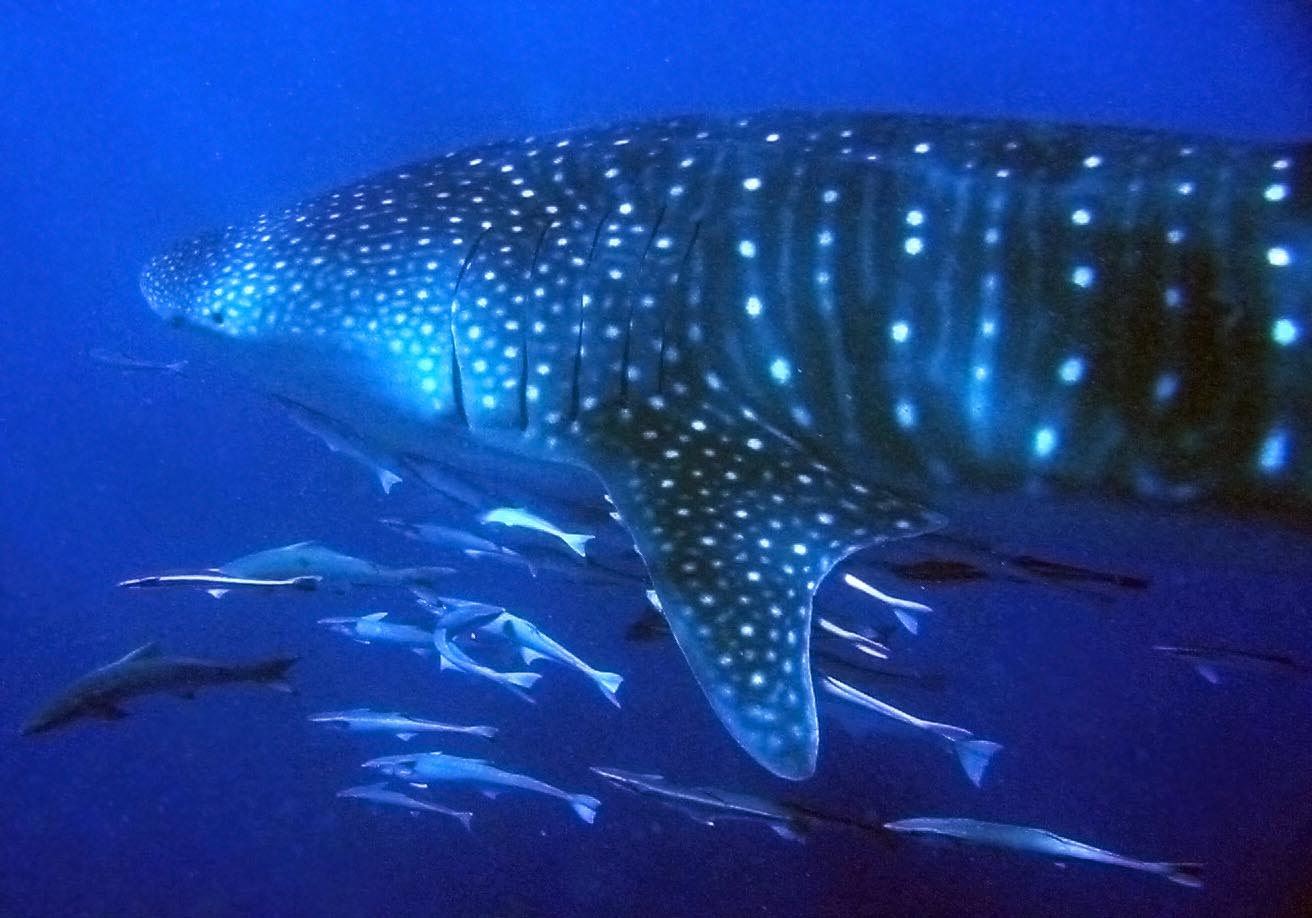
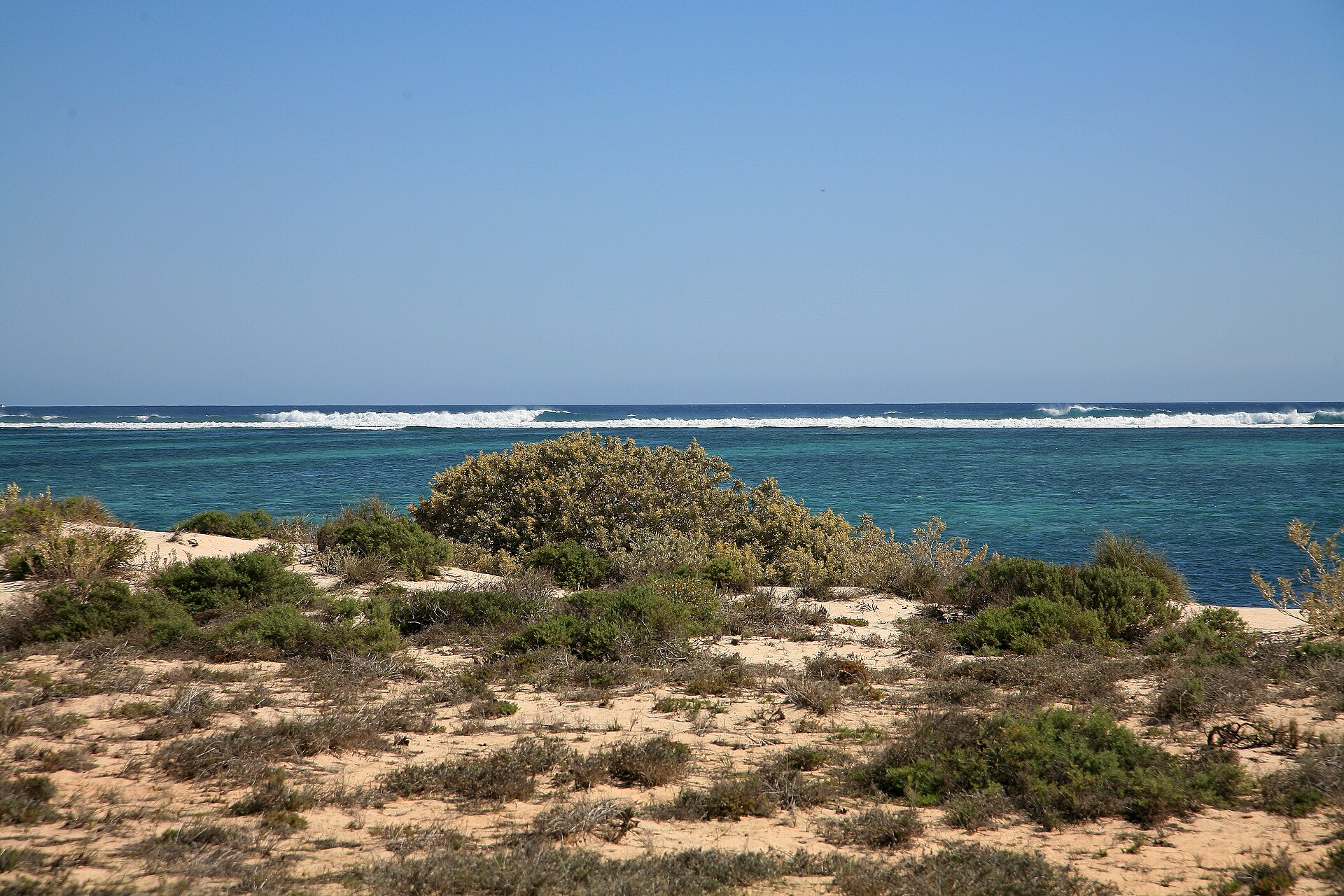
Ningaloo Reef is the most reliable whale shark aggregation site on Earth, with sighting success rates above 95% during the April-to-July peak. This guide covers the season window, licensed operators in Exmouth and Coral Bay, prices, and responsible interaction rules.
Why Ningaloo Is in a Class of Its Own
Every April, the mass coral spawning at Ningaloo Reef triggers a feeding chain that draws whale sharks - the largest fish on Earth, growing to 12 metres or more - into shallow, accessible waters just off the coast of Western Australia. Nowhere else on the planet can you reliably swim alongside these gentle filter feeders in such calm, clear conditions. Sighting success rates during peak season consistently sit above 95 per cent, making Ningaloo the benchmark against which every other whale shark destination is measured.
The reef is a UNESCO World Heritage Area and sits within Ningaloo Marine Park, managed by the WA Department of Biodiversity, Conservation and Attractions (DBCA). Commercial tours are strictly licensed and capped, which keeps encounters genuinely wild and crowd-free.
The Season Window: April to July
The official whale shark season runs from 1 March to 31 July each year. In practice, the sweet spot is April through early July, when whale sharks congregate in the greatest numbers and conditions are most favourable.
- April-May - peak season. Coral spawning peaks in April, fuelling the plankton blooms that attract whale sharks in force. Water visibility is excellent and ocean swell is generally low. Water temperatures sit between 22 and 26 degrees Celsius.
- June-July - still very reliable for whale shark sightings, and this is also when humpback whales begin moving through, giving the chance to encounter multiple mega-fauna on a single day. Nights are cooler on land, but in-water conditions remain comfortable.
- March - the season opener. Sightings begin and tours operate, though encounters are less predictable than mid-season.
Tours depart from two main hubs: Exmouth (the larger base, with the widest range of operators and tours running slightly longer into the season) and Coral Bay (about 150 kilometres south, with a more intimate feel and a season that typically closes by late June).
How to Book a Licensed Tour
Only operators holding a DBCA commercial licence may run whale shark swim tours inside Ningaloo Marine Park. There are currently around 11 licensed operators across Exmouth and Coral Bay.
Exmouth operators include Exmouth Dive and Whalesharks Ningaloo, Ningaloo Discovery, Three Islands Whale Shark Dive, Live Ningaloo, and Whale Shark Tours Exmouth. Coral Bay operators include Coral Bay Ecotours and Ningaloo Marine Interactions.
Booking tips:
- Book well ahead of your trip, not after you arrive. Tours during April and the school holidays in late June and July sell out weeks in advance.
- Confirm your operator holds a current marine park licence and look for ECO-certification or Ecotourism Australia accreditation as a quality indicator.
- Ask about the no-sighting policy before paying - most reputable operators offer a free rebooking within a set period if no whale shark is encountered.
- Tours sell out from a single daily allocation, so locking in a date before booking flights and accommodation is strongly recommended.
Prices: What to Budget
Whale shark tours are a premium experience, and pricing reflects the logistical complexity of running spotter aircraft, licensed vessels, and marine biologist guides.
- Typical adult price: $450 to $650 AUD for a full-day tour. Exmouth Dive and Whalesharks Ningaloo, for example, charges $625 for adults and $295 for observers (non-swimming passengers).
- Children are generally priced at or near the adult rate, as the licence and vessel costs are fixed regardless of swimmer age.
- What is usually included: snorkelling equipment (mask, fins, wetsuit or sting suit), morning tea, lunch, afternoon tea, accommodation transfers, and multiple inner-reef snorkels in addition to the whale shark encounter.
- Some operators offer onboard photographers or video packages at an additional cost - worthwhile if you do not have an underwater camera.
Budget a full day in your itinerary. Boats typically depart at 7:00 am and return between 3:30 and 5:00 pm.
What Happens on the Day
A typical full-day whale shark tour follows this structure:
- Hotel pick-up and briefing - your operator's bus collects guests from accommodation and transfers everyone to the boat ramp. A safety and behaviour briefing is held before departure.
- Inner reef snorkel - the first hour or two are spent on Ningaloo's inner reef, which holds over 500 fish species and 250 coral species. Turtles, rays, and reef sharks are common here.
- Spotter plane search - from around 9:30 am, a licensed spotter aircraft surveys a corridor approximately 6 kilometres wide by 50 kilometres long along the outer reef. When a whale shark is located, the pilot radios the vessel with GPS coordinates.
- The jump - the vessel moves into position ahead of the shark. Up to 10 swimmers enter the water with a guide per group. You snorkel at the surface and the shark passes beneath and around you. Multiple jumps are typically possible during a single sighting.
- Lunch and return reef snorkel - a late lunch is served on board, followed by an optional second inner-reef snorkel before returning to the marina.
Most operators continue searching until around 2:30 pm if a shark has not yet been found, so patience is rewarded.
Responsible Interaction: The Rules That Protect the Animals
Whale shark interactions in Ningaloo Marine Park are governed by the WA Biodiversity Conservation Regulations 2018, and the rules apply to every person in the water - not just tour guides.
Key rules every swimmer must follow:
- Do not touch a whale shark under any circumstances.
- Maintain distance: stay at least 3 metres from the head or body, and at least 4 metres from the tail.
- No flash photography - camera-mounted flashes are prohibited and can startle the animal.
- No motorised propulsion devices in the water (sea scooters, etc.).
- Snorkelling only - SCUBA diving with whale sharks is not permitted within Ningaloo Marine Park.
- Do not restrict the animal's movement or attempt to ride it.
Vessels are also bound by strict rules. Only one vessel may operate within 250 metres of a whale shark at a time, for no more than 90 minutes per encounter. This prevents the crowding that damages interactions at less regulated sites.
After your tour, consider submitting your photos to the ECOCEAN Whale Shark Photo-ID Library (sharkbook.ai). Researchers use the unique spot patterns behind each shark's gills to track individuals over time - your images directly support population science.
Practical Checklist Before You Go
- Apply reef-safe sunscreen only - standard sunscreens contain chemicals toxic to coral.
- Bring seasickness medication if you are prone to motion sickness; the outer reef can be choppy. Operators recommend Kwells or Travacalm taken the night before.
- Wear a rash vest or hire a sting suit from your operator - the box jellyfish risk is low during the season but a sting suit adds warmth and UV protection.
- Leave fins on and let the shark come to you; chasing a whale shark burns energy, disturbs the animal, and almost always ends the encounter early.
- Book accommodation in Exmouth early - the town is small and fills up during school holidays and peak whale shark season.
Ningaloo is genuinely one of the great wildlife encounters on Earth. Get the logistics right and the reef does the rest.
Sources