
Cockatoo Island (Wareamah)
Wareamah
History anchored in harbour
On the lands of the Wallumedegal, Wangal, Cammeraygal and Gadigal peoples people.
schedule 2 min read / Updated Jun 2026
Sitting at the confluence of the Parramatta and Lane Cove Rivers, Cockatoo Island is Sydney Harbour's largest island and one of Australia's most layered historic sites. Free to enter by public ferry, it draws visitors through 60,000 years of First Nations connection, thirty years as a convict gaol, and over a century of shipbuilding before reinventing itself as a working cultural venue with waterfront camping under the city skyline.
Long before the first European ship entered Sydney Harbour, the island known as Wareamah was a meeting place for the Wallumedegal, Wangal, Cammeraygal and Gadigal peoples. These groups moved across the interconnected waterways of the harbour for at least 60,000 years, and the island's name - Wareamah - reflects that deep belonging to country. Visible traces of that occupation were erased when colonial authorities reshaped the land, but the island's First Nations identity has been steadily restored over recent decades.
In 1839, Governor Sir George Gipps established a convict penal settlement here, using transported prisoners for secondary punishment. Inmates quarried sandstone that would line Circular Quay's seawall, built barracks, and excavated the grain silos that still stand above the sandstone ridge. The convict era ended in 1869, after which the island briefly housed an industrial training school for girls and nautical training vessels for boys before its most dramatic transformation began.
The completion of the Fitzroy Dock in 1857 marked the start of 135 years of shipbuilding. Excavated using convict labour, the Fitzroy Dock is the only surviving example of a dry dock built by convicts in Australia. At peak capacity during the First World War, around 4,000 workers laboured on the island. The facility became the Royal Australian Navy's principal dockyard in 1913 and served as the main ship repair hub in the South-West Pacific during the Second World War, before commercial operations finally ceased in 1992.
In 2010, the island's convict precinct was inscribed on the UNESCO World Heritage List as one of eleven sites making up the Australian Convict Sites serial property. The listing recognised the exceptional record these places preserve of the British convict transportation system, which forcibly relocated over 160,000 people to Australia between 1788 and 1868. The Fitzroy Dock, the convict barracks, the silos, and the tunnels cut through solid sandstone all survive as tangible evidence of that era.
Today the Sydney Harbour Federation Trust manages the island for public benefit. Day visitors arrive free on the F3 or F8 ferry from Circular Quay or Barangaroo and can explore the heritage precincts independently, join guided history or after-hours ghost tours, or follow one of three audio trails. Two waterfront cafes, a gallery programme, a basketball court, and seasonal events including New Year's Eve celebrations fill the island with life year-round. Overnight visitors can pitch their own tent on the waterfront campground or book a furnished glamping site, waking to harbour views just fifteen minutes from the CBD.
Common questions
Things visitors ask about Cockatoo Island (Wareamah).
Quick answers to help you plan.
How do I get to Cockatoo Island?
expand_more
The easiest way is by public ferry. The F3 and F8 services run daily from Circular Quay and Barangaroo, as well as from wharves along the Parramatta River. Water taxis and private boats are also options. Standard Opal card and ferry fares apply; there is no extra charge to enter the island itself.
Is there an entry fee?
expand_more
No. Entry to Cockatoo Island is free. You pay only the standard public ferry fare to reach the island. Guided tours, camping, and accommodation are priced separately, and concession rates apply for pensioners, seniors, Defence Force veterans, and students with valid ID.
Can I camp on Cockatoo Island?
expand_more
Yes. The waterfront campground offers unpowered sites for BYO tent campers as well as furnished glamping tents. All campers share hot showers, toilets, and a communal kitchen with fridges, microwaves, and barbecues. Heritage houses and apartments are available for those who prefer self-contained accommodation.
What heritage tours are available?
expand_more
Six guided tours are offered, covering convict history, shipbuilding, and after-hours paranormal experiences. Three audio tours let you explore at your own pace, and there is a self-guided family experience designed for children aged six to ten. The Shipyard Tales Tour is fully wheelchair accessible.
Is the island suitable for families with young children?
expand_more
Yes. The island has open lawns, a waterfront setting, a basketball court, a giant chess board, and a Campground Cinema. Children aged five and under enter free with a paying adult. The self-guided family trail is designed for children six to ten and brings the convict story to life in an age-appropriate way.
Are pets allowed on Cockatoo Island?
expand_more
Only registered assistance animals are permitted on the island. Standard domestic pets including dogs are not allowed, so plan alternative arrangements before your visit.
What food and drink options are available?
expand_more
Two cafes on the island serve food and alcohol daily. Day visitors are also welcome to bring their own food and have a picnic. There are no ATMs on the island, but EFTPOS is accepted at retail outlets, so bring a card or sufficient cash for any purchases.
Gallery
Cockatoo Island (Wareamah) in pictures.
6 images licensed from Wikimedia Commons
All images are sourced from Wikimedia Commons under Creative Commons licences. Individual photographers are credited on the source pages.
Scenic views
Lookouts near Cockatoo Island (Wareamah).
You may also like
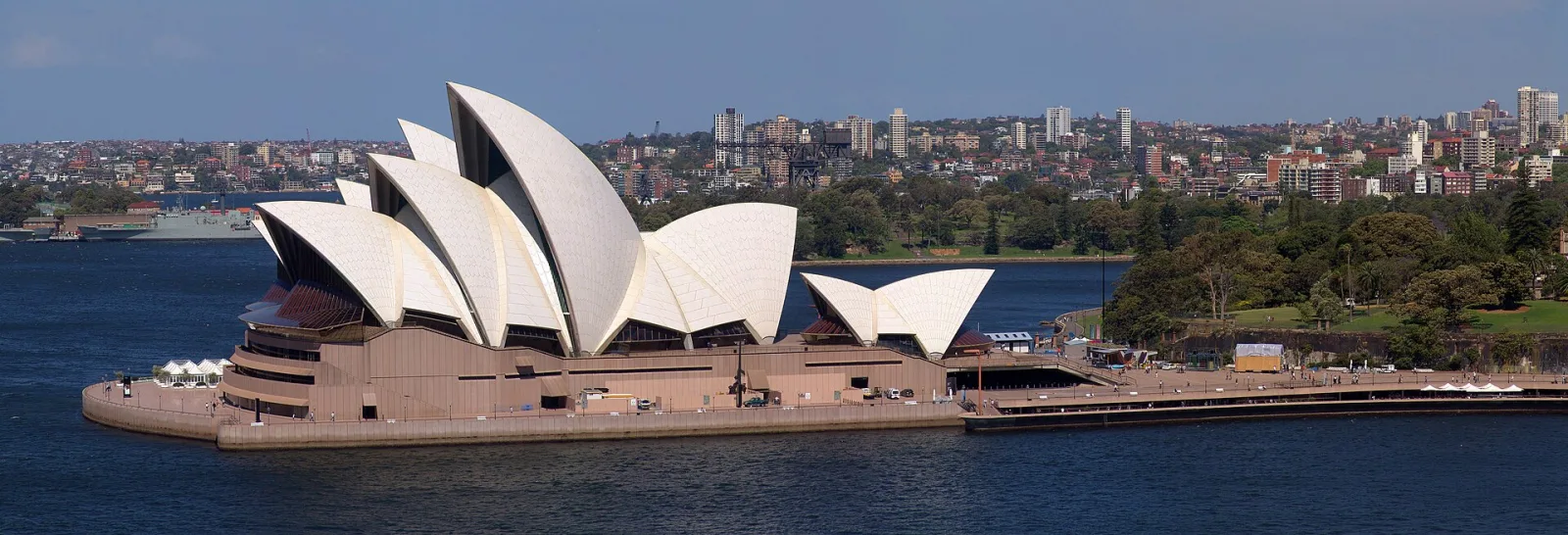
Sydney Opera House
Sydney

Bondi Beach
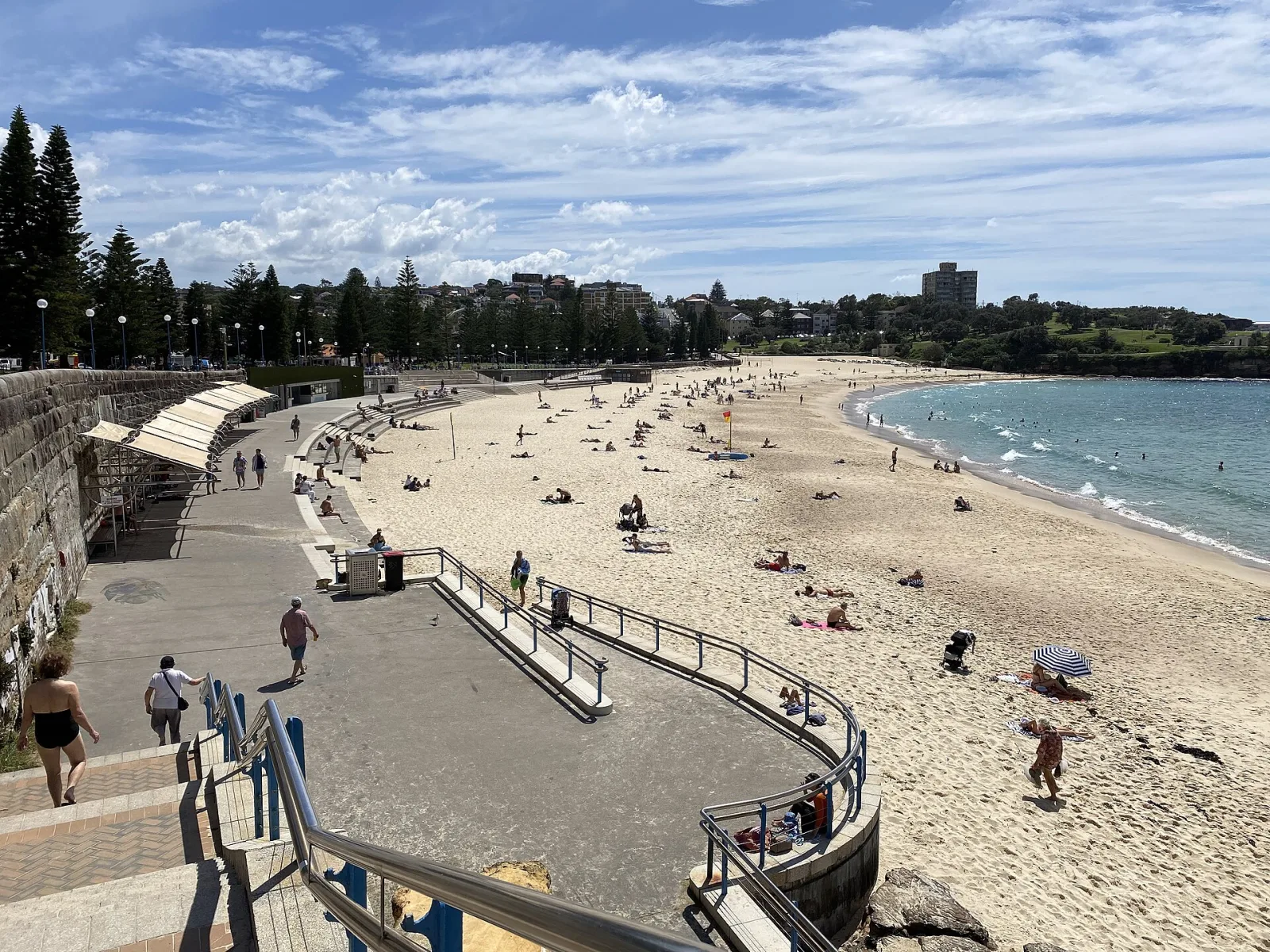
Coogee Beach

Cronulla Beach
Ku-ring-gai Chase National Park
Royal National Park
Central Coast

Katoomba

Blue Mountains

Lake Macquarie

Kiama
Attribution
Sources & credits
Content (4)
- Wikipedia: Cockatoo Island (Wareamah) · CC BY-SA 4.0
- The history of Cockatoo Island / Wareamah · Sydney Harbour Federation Trust
- Plan your trip to Cockatoo Island · Sydney Harbour Federation Trust
- Cockatoo Island (New South Wales) · Wikipedia contributors · CC BY-SA 4.0
Images (6)
- Cockatoo Island, Sydney Harbour (15463614273).jpg · FotoSleuth · CC BY 2.0
- Cockatoo Island, Sydney Harbour (15463631953).jpg · FotoSleuth · CC BY 2.0
- Cockatoo Island, Sydney Harbour (15463647883).jpg · FotoSleuth · CC BY 2.0
- Cockatoo Island, Sydney Harbour (15463663043).jpg · FotoSleuth · CC BY 2.0
- Cockatoo Island, Sydney Harbour (15897522317).jpg · FotoSleuth · CC BY 2.0
- Cockatoo Island, Sydney Harbour (15897551647).jpg · FotoSleuth · CC BY 2.0
.jpg)
.jpg)
.jpg)
.jpg)
.jpg)
.jpg)
Images sourced from Wikimedia Commons under licenses that permit commercial use. If you are the rights holder and believe an attribution is incorrect, please contact us.