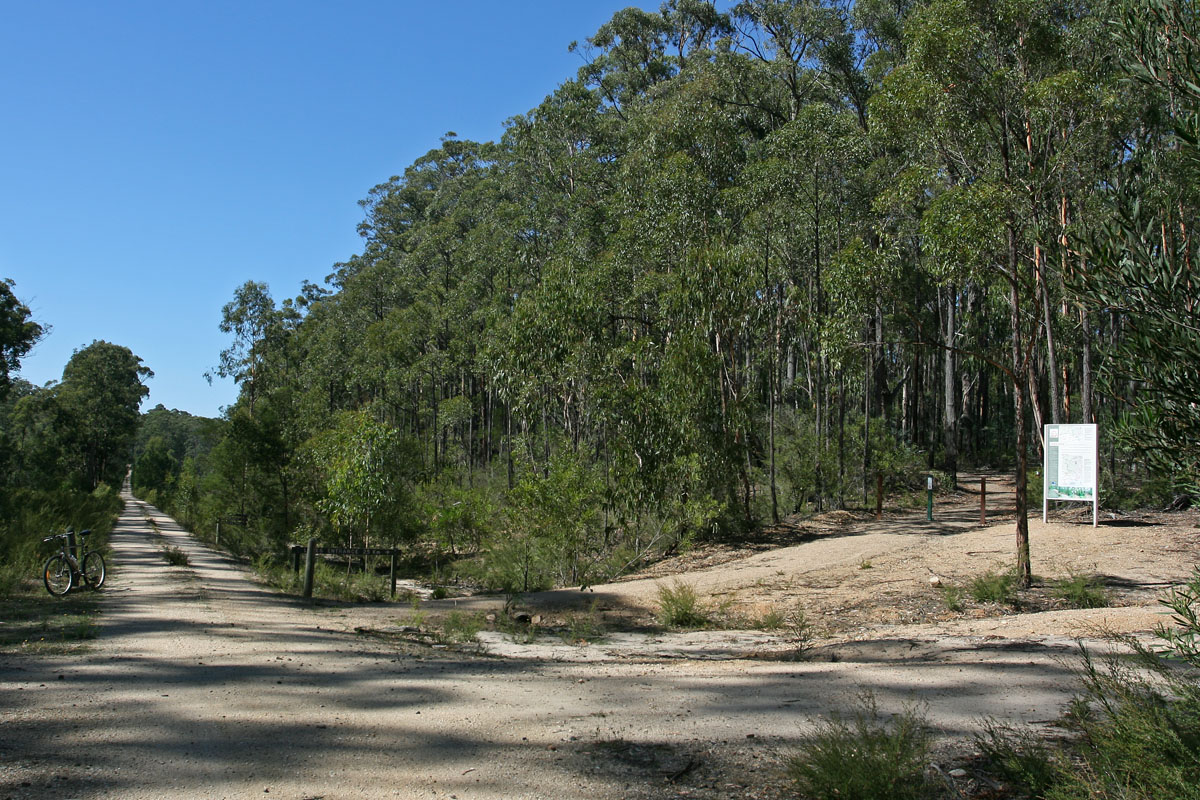
Gippsland Lakes
Murla (Lake Wellington), Ngarrang (Lake King), Toonallook (Lake Victoria)
Australia's largest coastal lagoon system, where calm inland waters meet Ninety Mile Beach on the edge of the wild Southern Ocean.
On the lands of the Gunaikurnai (Tatungalung clan Country) people.
schedule 3 min read / Updated Jun 2026
Stretching across more than 350 square kilometres of East Gippsland, the Gippsland Lakes form the largest network of inland coastal waterways in Australia - a labyrinth of lagoons, estuaries, and wetlands fed by six river systems and separated from Bass Strait by the extraordinary ribbon of sand known as Ninety Mile Beach. Designated a Ramsar Wetland of International Importance in 1982, the system shelters around 20,000 waterbirds, a resident population of endangered Burrunan dolphins, and over 300 native fauna species. The Gunaikurnai people have lived on and cared for these waters for thousands of years, and their cultural connection to the lakes - known in their language as Murla, Ngarrang, and Toonallook - remains central to how the landscape is managed today.
The three main bodies of water - Lake Wellington, Lake King, and Lake Victoria - together cover the lion's share of the lakes' surface area, connected by channels and narrow passages that invite exploration by boat, kayak, or stand-up paddleboard. More than 40 boat ramps are dotted across the region, and the towns of Paynesville, Metung, and Lakes Entrance serve as well-equipped bases for time on the water. Lakes Entrance itself sits astride the only ocean entrance to the system, a 2-kilometre man-made channel cut in 1889 that channels the tidal exchange keeping the lakes alive. The channel is dredged regularly, and watching commercial and recreational vessels thread through it is a spectacle in itself.\n\nFor wildlife enthusiasts, the Gippsland Lakes rank among the most rewarding destinations in Victoria. Raymond Island, a short ferry ride from Paynesville, hosts one of the most accessible koala populations in Australia, and the island's walking loop passes dozens of animals resting in the river red gums overhead. Out on the open water, the resident Burrunan dolphins - a species described only in 2011 and found nowhere else on Earth in these numbers - regularly bow-ride alongside boats near Metung and Lake King. The bird life is extraordinary: 86 species of waterbirds have been recorded at the Ramsar site, including international migrants arriving from Siberia and Alaska each year, and flocks of black swans are a constant presence on the shallows.\n\nFor those who prefer their adventures on foot, the Gippsland Lakes Coastal Park runs the length of Ninety Mile Beach from Seaspray to Lakes Entrance, offering oceanside bushwalks through coastal heath alive with wildflowers in spring. The beach itself - wild, windswept, and almost entirely undeveloped - is one of the longest unbroken stretches of sand in the Southern Hemisphere, and the contrast between its surging ocean surf and the glassy calm of the lakes just metres away is a defining experience of the region. Surf fishing here is particularly rewarding, with salmon, tailor, and whiting running through the beach gutters in autumn and winter.\n\nThe lakes also carry a rare natural phenomenon: unpredictable but unforgettable blooms of bioluminescent Noctiluca scintillans, a microorganism that turns the water an electric, glowing blue at night when disturbed. The most dramatic recorded bloom occurred in 2008-2009 following floods and bushfires that flooded the system with nutrients. While sightings cannot be predicted or guaranteed, local operators keep a close eye on conditions and the best chance occurs in summer after periods of elevated nutrient runoff. Even without the glow, a night kayak on Lake King under a clear Gippsland sky is a genuinely spectacular outing.\n\nThe towns fringing the lakes - particularly Metung and Paynesville - have developed a quiet but confident food and wine culture built on local seafood pulled fresh from the water. Oysters, bream, flathead, and mullet feature on menus alongside Gippsland's celebrated dairy produce. The broader East Gippsland region benefits from a mild, temperate maritime climate that keeps summers comfortable and winters gentle by Victorian standards, making the lakes a genuine four-season destination. Autumn is especially appealing: the crowds thin, the light turns golden, and migratory whales can sometimes be spotted offshore near Lakes Entrance from May onwards.
Where to stay
Holiday parks near Gippsland Lakes.
1 option via our booking partner

Bookings handled by our partner Parkbooker. We may earn a commission at no extra cost to you.
Scenic views
Lookouts near Gippsland Lakes.
You may also like





Attribution
Sources & credits
Content (1)
Images (3)
- Junction of EG Rail Trail & Gipps Lakes Discovery Trail, 21.... · jjron · CC BY-SA 3.0
- Lake King.jpg · Sgroey · CC BY-SA 4.0
- Start of Lakes Discovery Trail in Colquhoun Forest, 08.03.20... · jjron · CC BY-SA 3.0


Images sourced from Wikimedia Commons under licenses that permit commercial use. If you are the rights holder and believe an attribution is incorrect, please contact us.