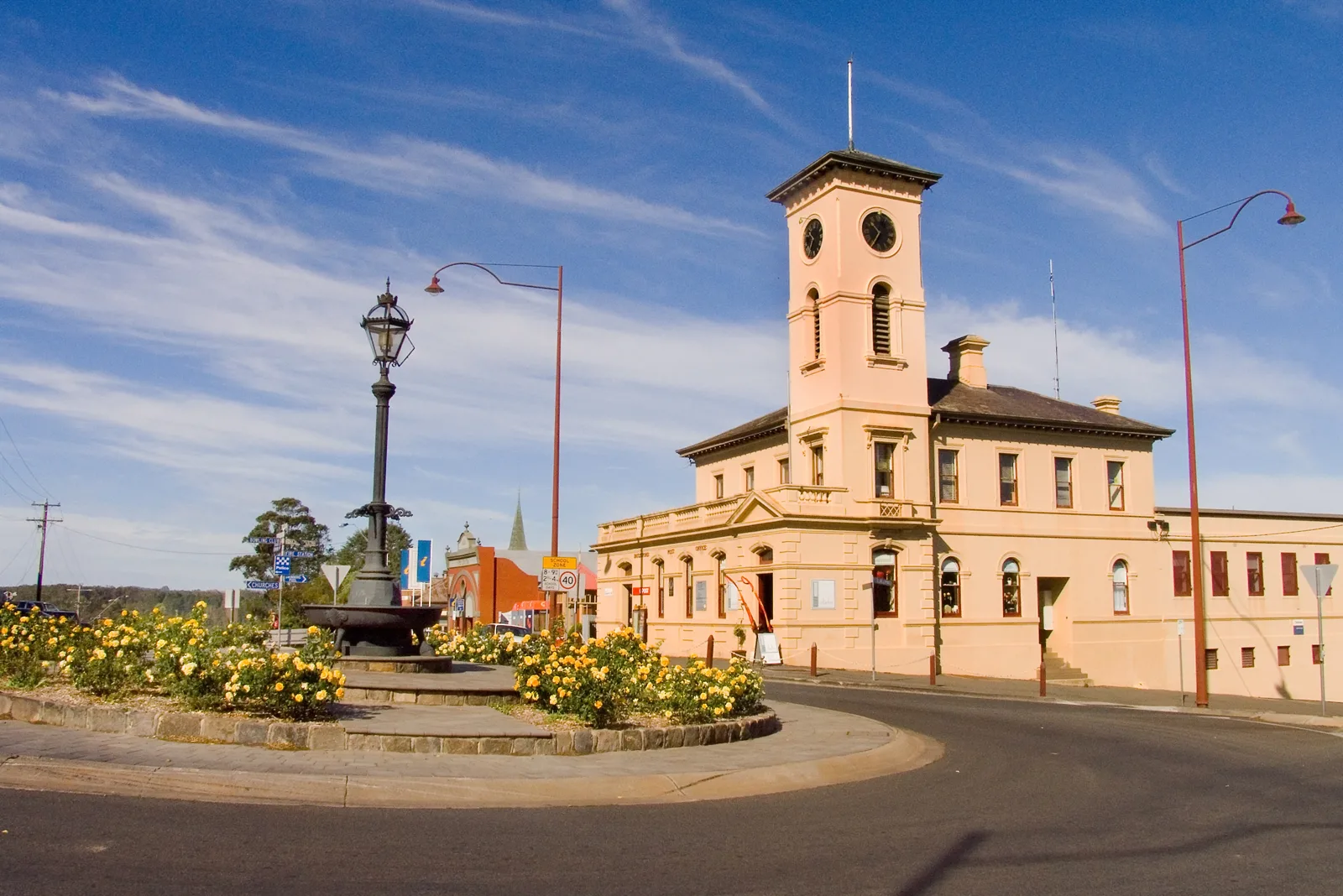
Bendigo
Goldfields Capital of Victoria
On the lands of the Dja Dja Wurrung people.
schedule 1 min read / Updated Jun 2026
The third-largest city in inland Australia, founded as a gold rush boomtown in the 1850s. Bendigo's grand Victorian architecture, Central Deborah Mine, Bendigo Pottery (Australia's oldest working pottery) and the Bendigo Art Gallery are the legacy of decades as one of the richest cities in the world.
Bendigo was founded in 1851 after the Victorian gold rush brought tens of thousands of fortune seekers to central Victoria. At its peak in the 1860s and 1870s, Bendigo's mines produced more gold than anywhere else on Earth, and the city grew into one of the wealthiest in the British Empire. The grand civic buildings, the cathedral, the post office, and the long boulevards of Pall Mall and View Street were all built with that money.
The Central Deborah Gold Mine is the only one of the city's 5,000 historic mines that is open to the public, and runs underground tours that descend 85 metres into the original 1850s workings. The Golden Dragon Museum and the Yi Yuan Garden tell the story of the Chinese miners who made up around a third of Bendigo's population at the height of the rush.
The Bendigo Art Gallery is one of the most respected regional galleries in Australia and has hosted major international touring exhibitions including Marilyn Monroe, Grace Kelly, and Tudors to Windsors. The Bendigo Tramways still run heritage trams down Pall Mall.
The city is around 1 hour 45 minutes by train or car from Melbourne.
Tourist locations
Places to visit in Bendigo.
6 locations to explore
Bendigo Pottery
Australia's oldest working pottery
Free
Full guide arrow_forwardBendigo Vintage Talking Tram
Ride a living tram museum
$18 adult, $12.50 child (3-15), $50 family
Full guide arrow_forwardCentral Deborah Gold Mine
Descend into gold rush history
$40 adult (Mine Experience Tour); $8.50 adult (surface only)
Full guide arrow_forwardGolden Dragon Museum and Yi Yuan Gardens
Heart of Chinese Australian heritage
$15 adult, $10 child (5-16), $13 concession, $40 family
Full guide arrow_forwardGreat Stupa of Universal Compassion
The West's greatest Buddhist monument
Free (donations welcome)
Full guide arrow_forwardRosalind Park
Bendigo's beloved civic garden
Free
Full guide arrow_forward
Scenic views
Lookouts near Bendigo.
You may also like




Attribution
Sources & credits
Content (1)
Images (2)
- Bendigo Building-04+ (544805653).jpg · Sheba_Also 43,000 photos · CC BY-SA 2.0
- Bendigo Buildings-01+ (544805577).jpg · Sheba_Also 43,000 photos · CC BY-SA 2.0
.jpg)
.jpg)
Images sourced from Wikimedia Commons under licenses that permit commercial use. If you are the rights holder and believe an attribution is incorrect, please contact us.