Lake Mungo
Home of the Oldest Known Cremation on Earth
On the lands of the Paakantyi, Mutthi Mutthi and Ngiyampaa people.
schedule 3 min read / Updated Apr 2026
A dry lake bed in far-south-western New South Wales that holds the oldest evidence of ritual human burial anywhere in the world. Lake Mungo is part of the Willandra Lakes Region UNESCO World Heritage site, and the discovery of Mungo Man and Mungo Lady in the 1970s rewrote the timeline of human occupation on the Australian continent.
Lake Mungo sits in the dry Willandra Lakes Region of far-south-western New South Wales, around 110 kilometres north-east of the town of Mildura. It is one of 17 dry lakes that once formed a vast interconnected system fed by the Willandra Billabong, a tributary of the Lachlan River. The lakes dried out around 18,000 years ago at the end of the last ice age, and the bed has been dry sand and clay ever since. The entire region was inscribed on the UNESCO World Heritage list in 1981 for both its natural and cultural values.
The cultural significance of the region is global. In 1968 the geologist Jim Bowler found the partially cremated remains of an adult woman, now known as Mungo Lady, in eroded sand on the edge of the dry lake. In 1974 he returned and found the skeleton of a man, Mungo Man, buried with red ochre sprinkled on his body. Subsequent radiocarbon dating established both burials as around 40,000 years old, and more recent analysis has placed them at 42,000 years. They remain the oldest known human cremation (Mungo Lady) and the oldest known ritual burial (Mungo Man) anywhere in the world.
The findings completely rewrote the timeline of human arrival in Australia. Before Mungo, the accepted theory had been that Aboriginal people had arrived around 10,000 years ago. The new dates pushed the timeline back by at least 30,000 years and forced a reconsideration of human migration out of Africa. Further evidence across northern Australia has since pushed estimates even earlier, with some sites now dated to 65,000 years or more.
The Paakantyi, Mutthi Mutthi and Ngyiampaa peoples are the traditional owners of Mungo and have worked closely with archaeologists and the federal government since the 1970s. Mungo Man's remains were repatriated to the community in 2017 after decades of advocacy, and the bones are now held in a specially constructed keeping place near the park. No human remains are currently on display, and all archaeological work in the park is now done with the active involvement and permission of the three traditional owner groups.
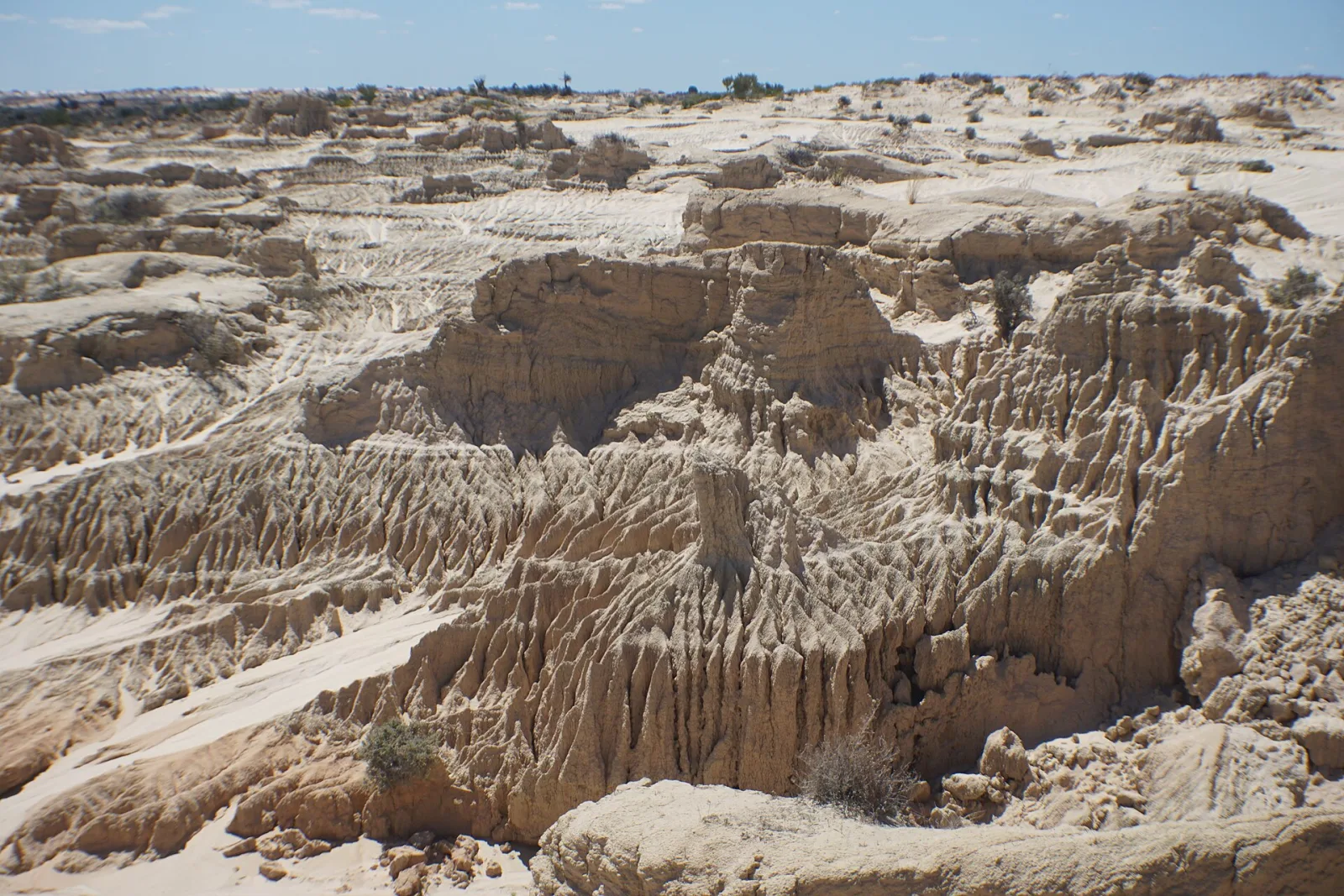
The visual centrepiece of the park is the Walls of China, a 33 kilometre line of lunettes along the eastern shore of the dry lake. Lunettes are crescent-shaped dunes formed on the lee side of lakes by wind-blown material, and they preserve some of the clearest sedimentary evidence on earth of how the climate has changed over tens of thousands of years. The white and red layers in the Walls of China correspond to different periods of lake expansion and contraction, and have yielded most of the human, megafauna and tool discoveries at Mungo.
Visitors can walk out to the Walls of China on a short boardwalk from the main park lookout or join a guided cultural tour led by traditional owners, which is strongly recommended and typically the most insightful way to experience the site. A 70 kilometre loop road circuit also runs around the dry lake bed and passes key lookouts, former shearing sheds and an old woolshed that dates to the pastoral era. The park visitor centre at the Meeting Place has excellent interpretive displays on both the natural and cultural history of the region.
The park is remote and facilities are limited. Access is via a long unsealed road from Mildura or from Balranald, and both approaches are impassable after heavy rain. There is a small campground and a shearers' quarters within the park. Most visitors arrive as part of a multi-day trip that combines Mungo with Broken Hill, the Menindee Lakes, Silverton and Mildura.
The best months for visiting are April to October, when temperatures are mild and the roads are usually dry and passable. Summer is uncomfortably hot and the region can experience heatwaves above 45 degrees. Winter mornings are cold but clear, and the low-angle winter sun on the Walls of China at sunrise or sunset is exceptional for photography. Stargazing is outstanding year-round thanks to the complete absence of light pollution in this part of the outback.
Gallery
Lake Mungo in pictures.
10 images licensed from Wikimedia Commons
All images are sourced from Wikimedia Commons under Creative Commons licences. Individual photographers are credited on the source pages.
Scenic views
Lookouts near Lake Mungo.
You may also like
Mildura
The Rocks
North Nowra

Jervis Bay

Penrith

Willoughby

Katoomba

Cronulla Beach

Coffs Harbour
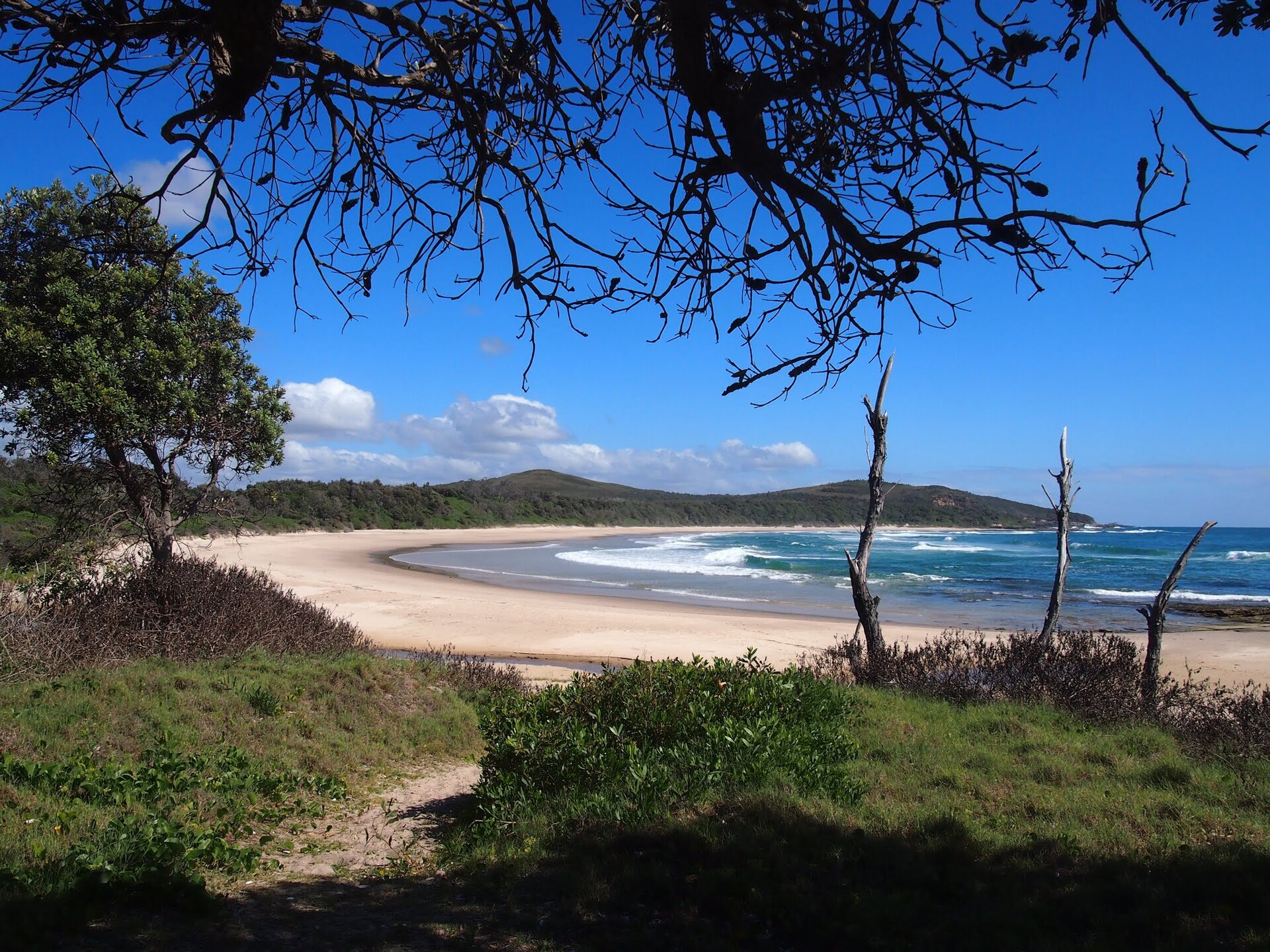
Yamba
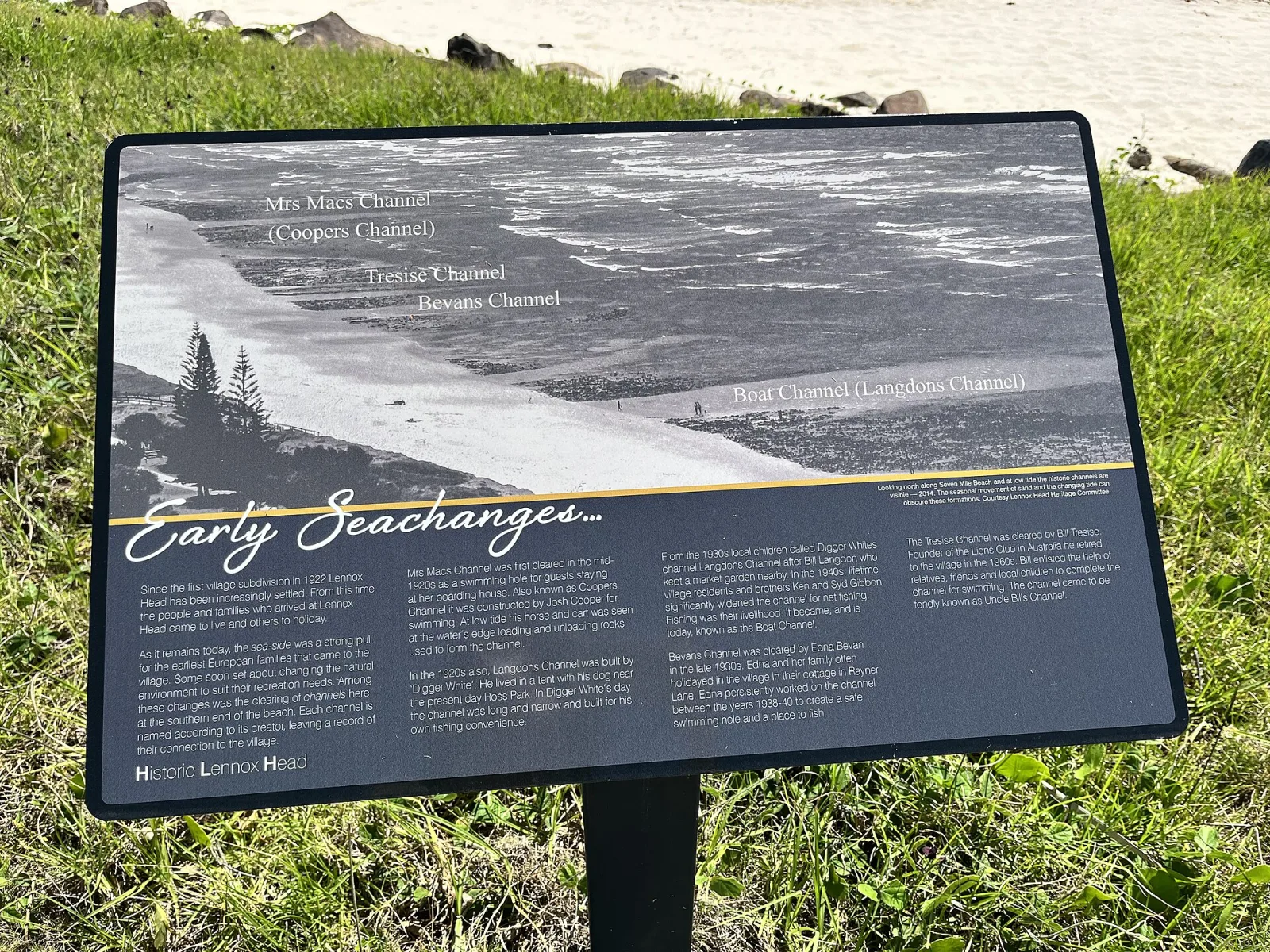
Lennox Head
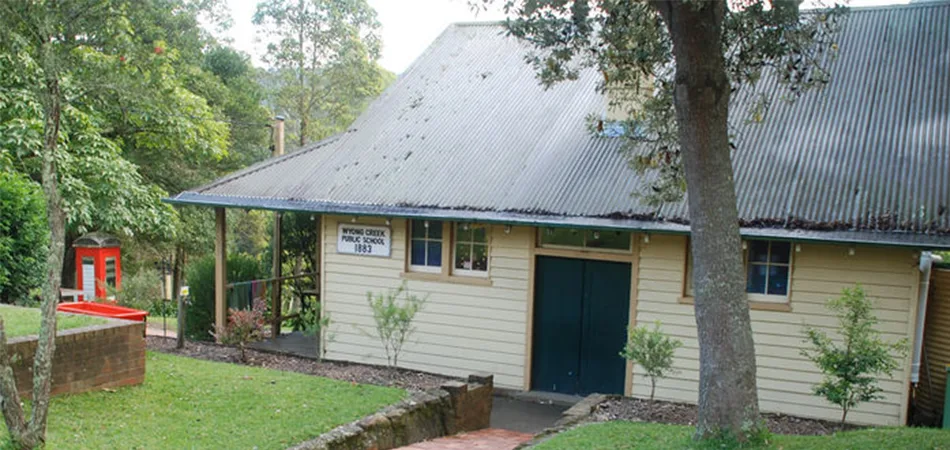
Wyong Creek
Attribution
Sources & credits
Content (1)
Images (10)
- Erosion in Lake Mungo National Park.jpg · Roger K Jolley · CC BY-SA 4.0
- Mungo National Park, Mungo, New South Wales, 2715 - RV90 - 1... · RegionVisitor90 · CC0
- 090 Mungo Brush, Myall Lakes, Australia 1979 (52059638345).j... · wilford peloquin · CC BY 2.0
- LakeMungo.jpg · en:User:Dhum Dhum · CC BY-SA 3.0
- Lake Mungo.jpg · ProfCockington · CC BY-SA 4.0
- Lake Mungo.png · Worldwind · Public domain
- Lake Mungo Banner.jpg · Davidspicerj · CC BY-SA 4.0
- Lake Mungo Lunettes - panoramio.jpg · Richard Horvath · CC BY-SA 3.0
- Lake Mungo Panorama.jpg · Henczar · CC BY-SA 4.0
- Lake Mungo Panorama Dunes.jpg · Davidspicerj · CC BY-SA 4.0


.jpg)


Images sourced from Wikimedia Commons under licenses that permit commercial use. If you are the rights holder and believe an attribution is incorrect, please contact us.