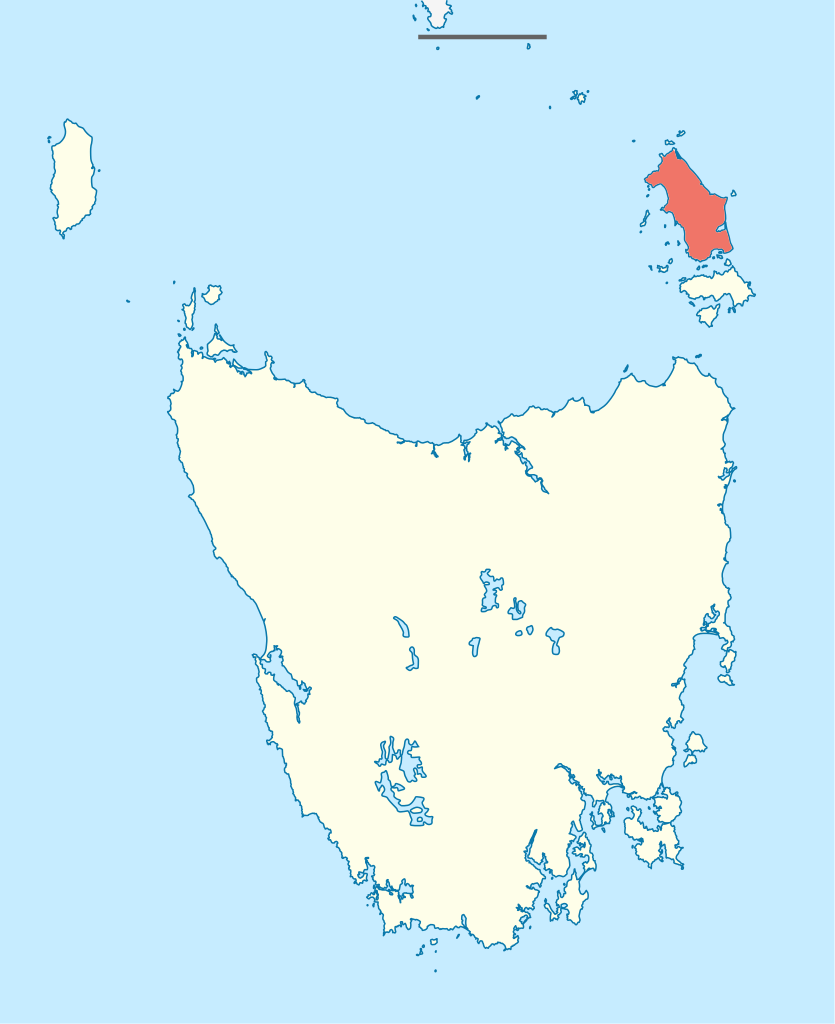
Flinders Island
Bass Strait's hidden gem - granite peaks, 120 beaches, and wildlife found nowhere else on Earth.
On the lands of the Palawa (Aboriginal Tasmanians) people.
schedule 2 min read / Updated Jun 2026
Flinders Island floats in the middle of Bass Strait, 54 kilometres off the north-east tip of Tasmania, and rewards those willing to make the journey with 120 beaches, dramatic granite ranges and wildlife encounters that are impossible to replicate on the mainland. At 1,367 square kilometres it is the largest island in the Furneaux Group and the second largest island in Tasmania, yet fewer than a thousand people call it home.
The island's landscape shifts dramatically from west to east. The interior and southern end are anchored by the Strzelecki Peaks, a jumble of rounded granite domes that culminate in 756-metre Mount Strzelecki - the island's highest point. Strzelecki National Park protects this rugged terrain and the return walk to the summit takes four to five hours of solid hiking through heath and boulder fields, rewarded with sweeping views across the Strait on clear days. A valid Parks Tasmania pass is required to enter the national park.\n\nBeyond the peaks, the coastline is the island's true drawcard. Trousers Point and Castle Rock both feature in Tasmania's 60 Great Short Walks, combining white sand beaches with sculptural orange and pink granite headlands that seem tailor-made for photographers. At Killiecrankie Bay on the northern end, visitors fossick the shallows for topaz crystals - known locally as Killiecrankie diamonds - a tradition unique to this stretch of coast. East-facing lagoons and wetlands broaden the island's appeal for birdwatchers, with little need to travel far before spotting something special.\n\nFlinders Island is one of Australia's most important refuges for rare and endemic wildlife. The island hosts three breeding colonies of the endangered forty-spotted pardalote, one of Australia's rarest birds. The Flinders Island wombat subspecies - now extinct on every other Bass Strait island - survives here, and local wildlife carers welcome visitors who want a closer look. Cape Barren geese, green rosellas and a suite of Tasmanian endemic honeyeaters are regular sights across the island's paddocks and scrubby margins.\n\nFew places in Australia carry as much Aboriginal history as this island. From 1831 to 1847 the Wybalenna Aboriginal Establishment housed approximately 180 surviving Tasmanian Aboriginal people, the traumatic end point of the Black War. The Wybalenna Historic Site is now managed by the Tasmanian Aboriginal community and stands as a place of deep cultural significance. The Furneaux Museum in Whitemark tells the broader story of the island's sealers, settlers and Palawa heritage with genuine care and context.\n\nWith no public transport on the island, visitors hire a car from Whitemark and move at their own pace. There are a handful of cellar doors - Unavale Vineyard being the best known - plus cafes and The Flinders Wharf restaurant in Lady Barron for fresh-caught seafood. Accommodation ranges from self-contained shacks on remote beaches to comfortable island lodges. The unhurried rhythm of life here, combined with wild scenery and genuine isolation, makes Flinders Island the kind of place that quietly turns first-time visitors into repeat devotees.
Scenic views
Lookouts near Flinders Island.
You may also like





Attribution
Sources & credits
Content (1)
Images (3)
- Australia Tasmania location map Flinders Island.png · Chuq · CC BY-SA 4.0
- Flinders-CLK2.GIF · John Flaureur · CC BY-SA 3.0
- Flinders Island banner.jpg · Lolatravola · CC BY-SA 4.0


Images sourced from Wikimedia Commons under licenses that permit commercial use. If you are the rights holder and believe an attribution is incorrect, please contact us.