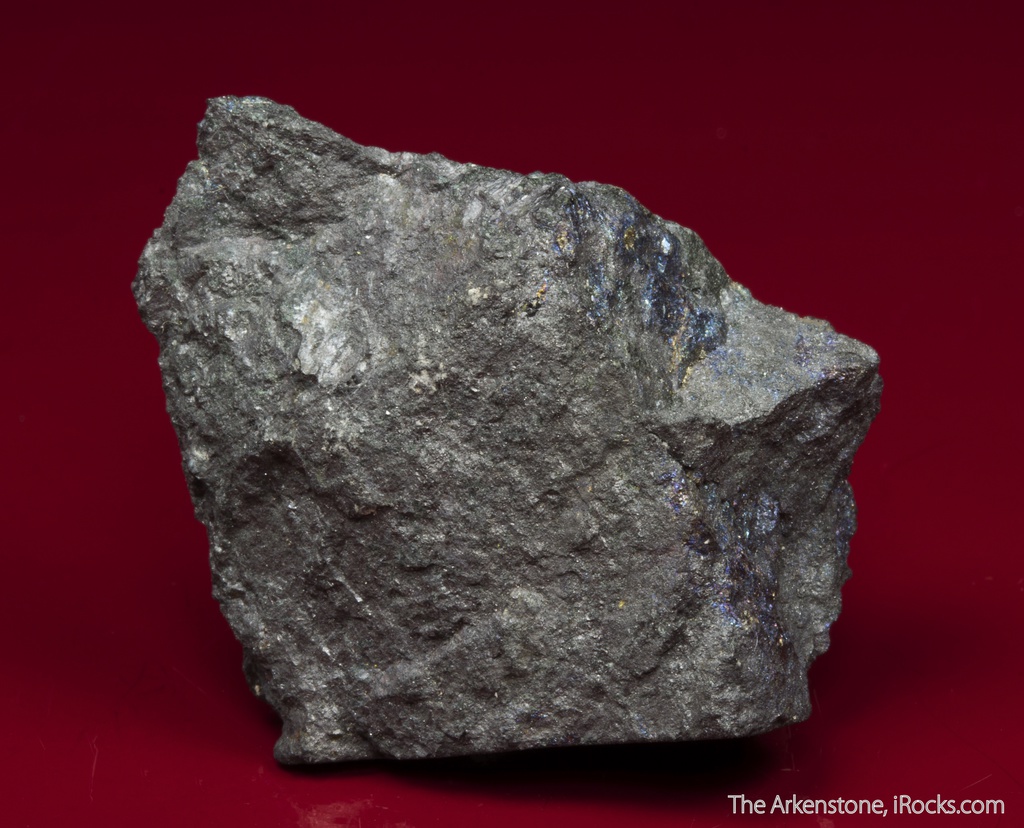
Tennant Creek
Jurnkkurakurr
The Red Centre's rugged crossroads - where gold rush history meets living Warumungu culture on the ancient Stuart Highway.
On the lands of the Warumungu people (primary), with Warlpiri, Kaytetye and Alyawarre groups also connected to the broader Barkly region people.
schedule 3 min read / Updated Jun 2026
Tennant Creek sits at the heart of the Northern Territory, roughly halfway between Alice Springs and Darwin on the legendary Stuart Highway, and carries more stories per square kilometre than almost anywhere else in outback Australia. The Warumungu people have called this country Jurnkkurakurr for thousands of years, and today more than half of the town's 3,000 residents identify as Indigenous, making it one of the most culturally rich communities in the Territory. Add a gold rush that fired up in the 1930s, a 19th-century telegraph station still standing in the heat, and an hour's drive to some of the most photographed granite boulders on the continent, and you have a destination that rewards every kind of curious traveller.
Tennant Creek's European history began with the Overland Telegraph Line, strung across the continent in 1872. The stone telegraph station built here became one of four original relay stations still standing in Australia, a tangible link to the era when messages from London to Sydney took days rather than months. Then, in 1926, gold was discovered in the surrounding hills, and the rush that followed through the 1930s and 1940s cemented Tennant Creek as the third-largest gold producer in the country. The Battery Hill Gold Mining and Heritage Centre preserves that legacy in remarkable detail - Australia's last operating ten-head stamp battery still stands here, and underground mine tours bring the subterranean world of early prospectors vividly to life. Adult entry to the museum costs $14, with underground tours from $39 per adult.\n\nFor a deeper understanding of country, the Nyinkka Nyunyu Art and Culture Centre is essential visiting. Named after Nyinkka - the spiny-tailed goanna that Warumungu tradition says shaped this landscape - the centre opened in 2003 and has won awards as one of the Territory's finest Aboriginal cultural attractions. Visitors can explore galleries of Warumungu art, hear songlines explained by knowledgeable guides, and browse a gallery-shop that supports local artists directly. Guided tours cost $15 per adult, and the surrounding gardens and cafe are free to enter.\n\nThe landscape around Tennant Creek is the real headline act. Karlu Karlu - known to non-Indigenous Australians as the Devils Marbles - lies 100 km south of town and ranks among the most striking geological sights in Australia. Hundreds of rounded granite boulders, some standing six metres tall, are balanced in ways that seem to defy gravity across a wide, shallow valley. They are sacred to the Warumungu, Kaytetye, Alyawarre and Warlpiri peoples and hold deep spiritual significance. Sunrise and sunset are the times to visit, when low-angle light turns the rocks from burnt orange to deep crimson. Closer to town, the smaller formation at Kunjarra (the Pebbles) - a sacred women's dancing site - offers a quieter, similarly dramatic experience at dusk.\n\nFor wildlife and wilderness, Davenport Range National Park stretches east of town across ancient red ranges. The park protects black-footed rock wallabies, euros, emus and hundreds of waterbird species, and its four-wheel-drive tracks are some of the most rewarding in the Territory for those with the right vehicle and a sense of exploration. The wet season - roughly December through February - fills waterholes and brings dramatic skies, but the sealed Stuart Highway and the town itself are accessible year-round. The Mary Ann Dam recreation area provides a pleasant swimming and picnic spot within easy reach of the town centre.\n\nTennant Creek is best reached by road or air. The Stuart Highway is fully sealed and well-serviced, making it a natural stop on the classic Darwin-to-Adelaide overland drive. Tennant Creek Airport (TCA) receives regular flights connecting to Darwin and Alice Springs, and The Ghan - the legendary train linking Adelaide and Darwin - passes through, making a stop that allows rail travellers to step out into the red dust before continuing north or south. The town itself is compact and walkable, with accommodation ranging from caravan parks to motel-style rooms, and the weekly Desert Harmony Festival each August adds live music, art, sport and cultural performances to an already rich calendar.
Scenic views
Lookouts near Tennant Creek.
You may also like

Katherine
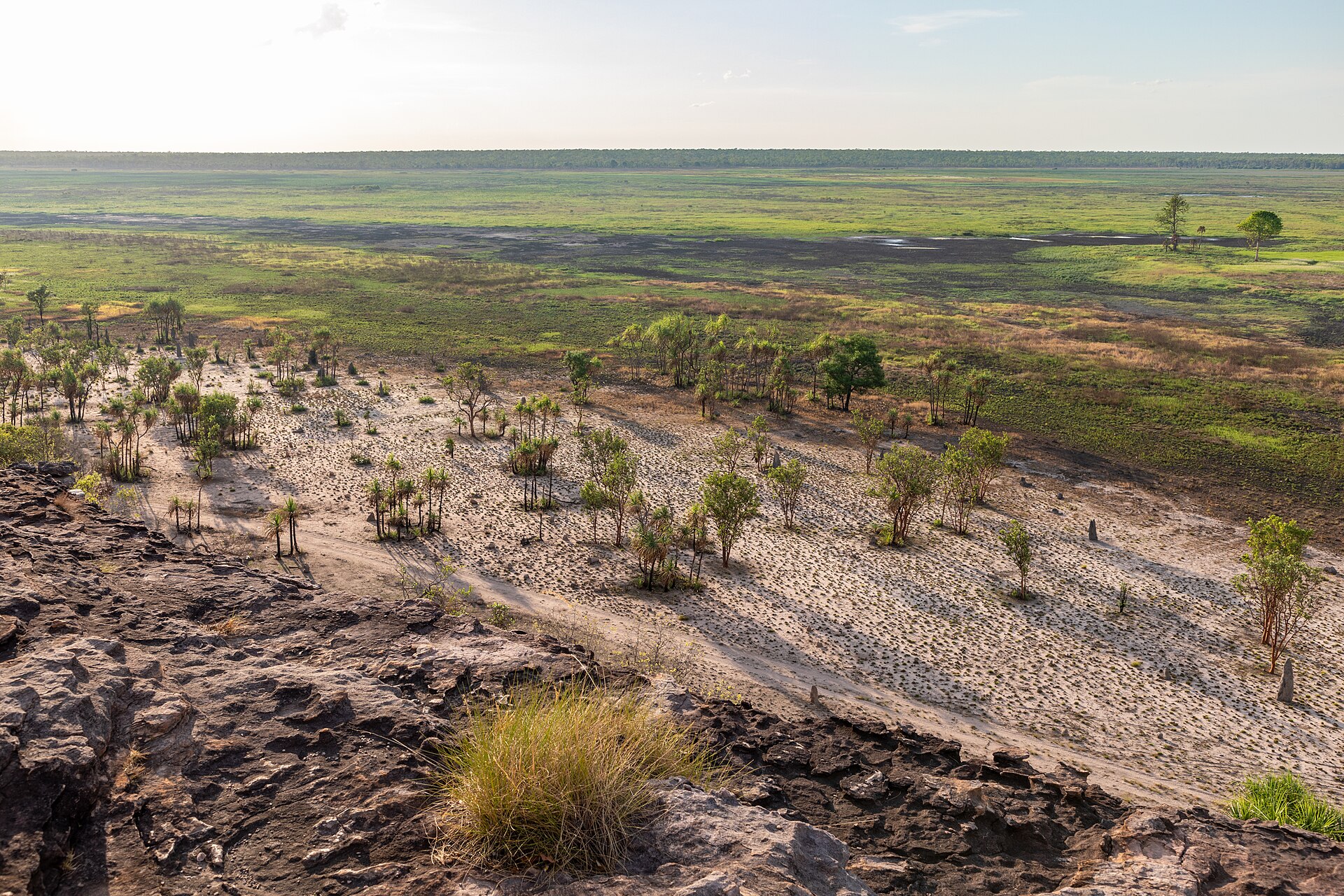
Ubirr

Tiwi Islands
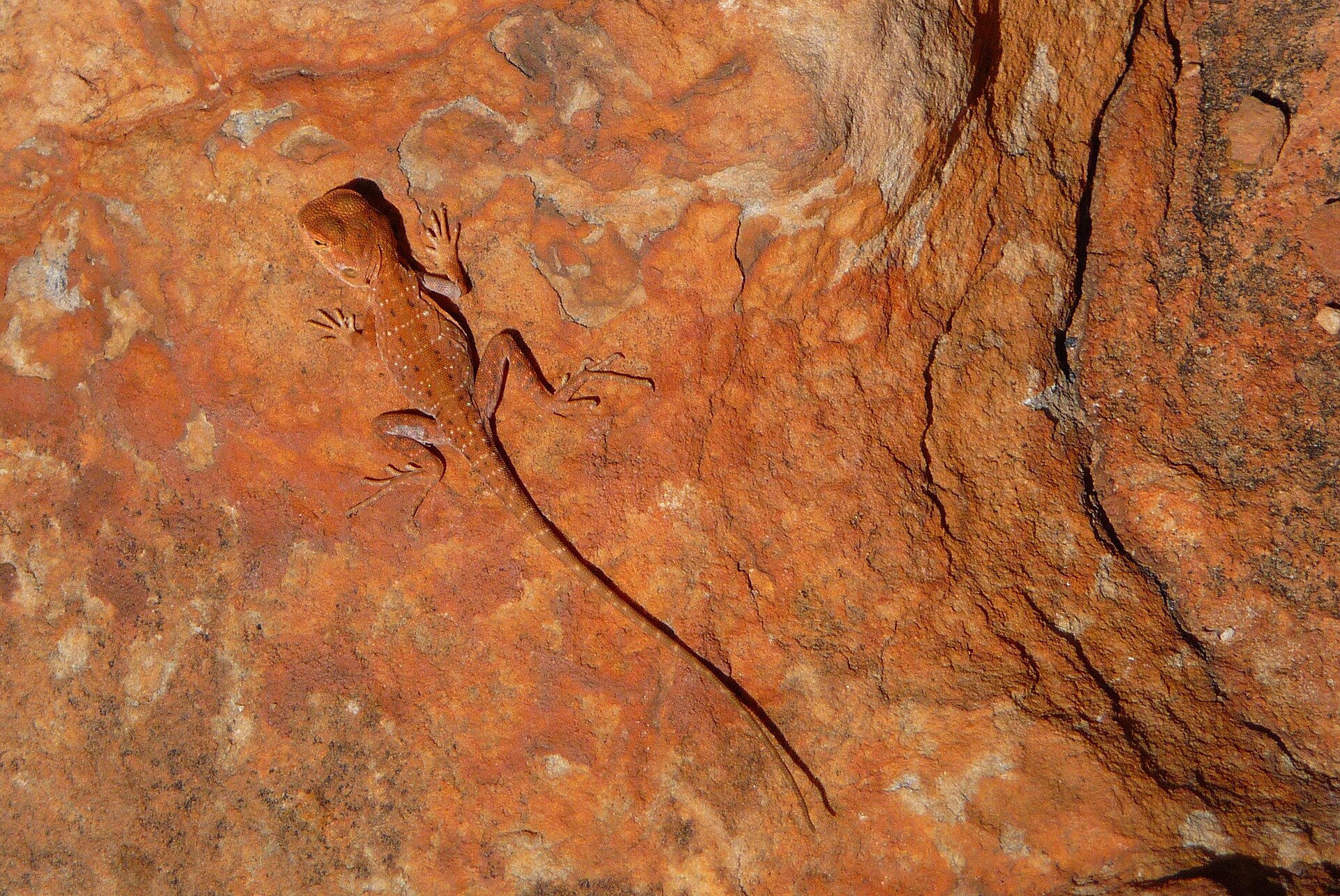
Watarrka National Park
East MacDonnell Ranges
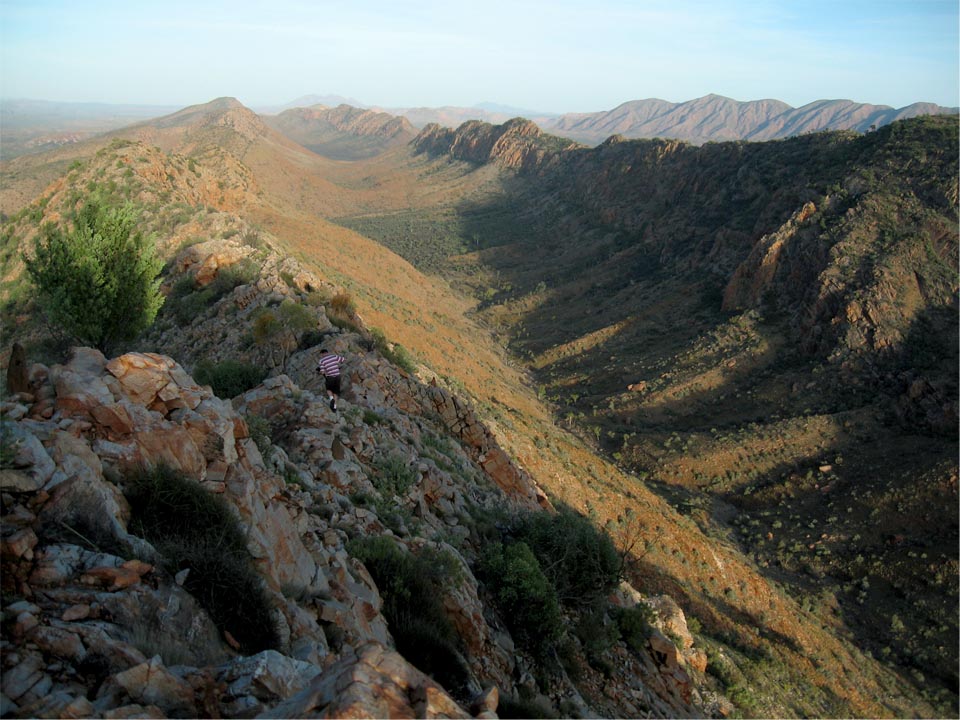
Larapinta Trail

Devils Marbles (Karlu Karlu)

Kings Canyon

Mataranka
Litchfield National Park
Kakadu National Park

Mindil Beach
Attribution
Sources & credits
Content (1)
Images (1)
- Junoite-704044.jpg · Robert M. Lavinsky · CC BY-SA 3.0

Images sourced from Wikimedia Commons under licenses that permit commercial use. If you are the rights holder and believe an attribution is incorrect, please contact us.